ここ数年、子供向けプリンター市場は大きく変化しました。当初は写真やステッカー、塗り絵のテンプレートを印刷できるシンプルな感熱プリンターに過ぎませんでしたが、現在ではAIを搭載した新世代のクリエイティブ製品へと進化を遂げています。
今日、親たちは受動的な娯楽よりも、創造性を育む教育玩具を求めるようになってきています。一方で、ブランドや販売業者は、競争の激しい市場で差別化を図れる革新的な製品を模索しています。こうした変化により、 キッズAIクリエイティブプリンター…これは、従来の熱転写印刷技術と人工知能によって生成されたコンテンツを組み合わせたカテゴリーである。
しかし、これは従来の子供向けプリンターが時代遅れになりつつあるということなのでしょうか?それとも、両者はそれぞれ異なる市場のニーズに応えているのでしょうか?
この記事では、Kid AIのクリエイティブプリンターと従来の子供向けプリンターを比較し、それぞれの長所と限界を検証した上で、長期的なビジネスチャンスがより大きいのはどちらのカテゴリーかを探っていきます。
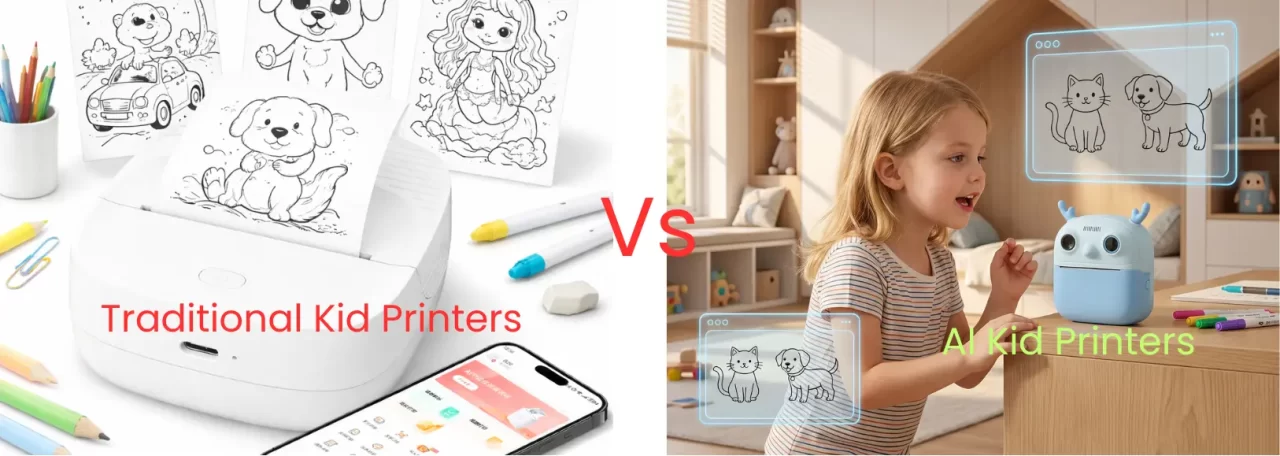
「伝統的な子供用プリンター」とは何ですか?
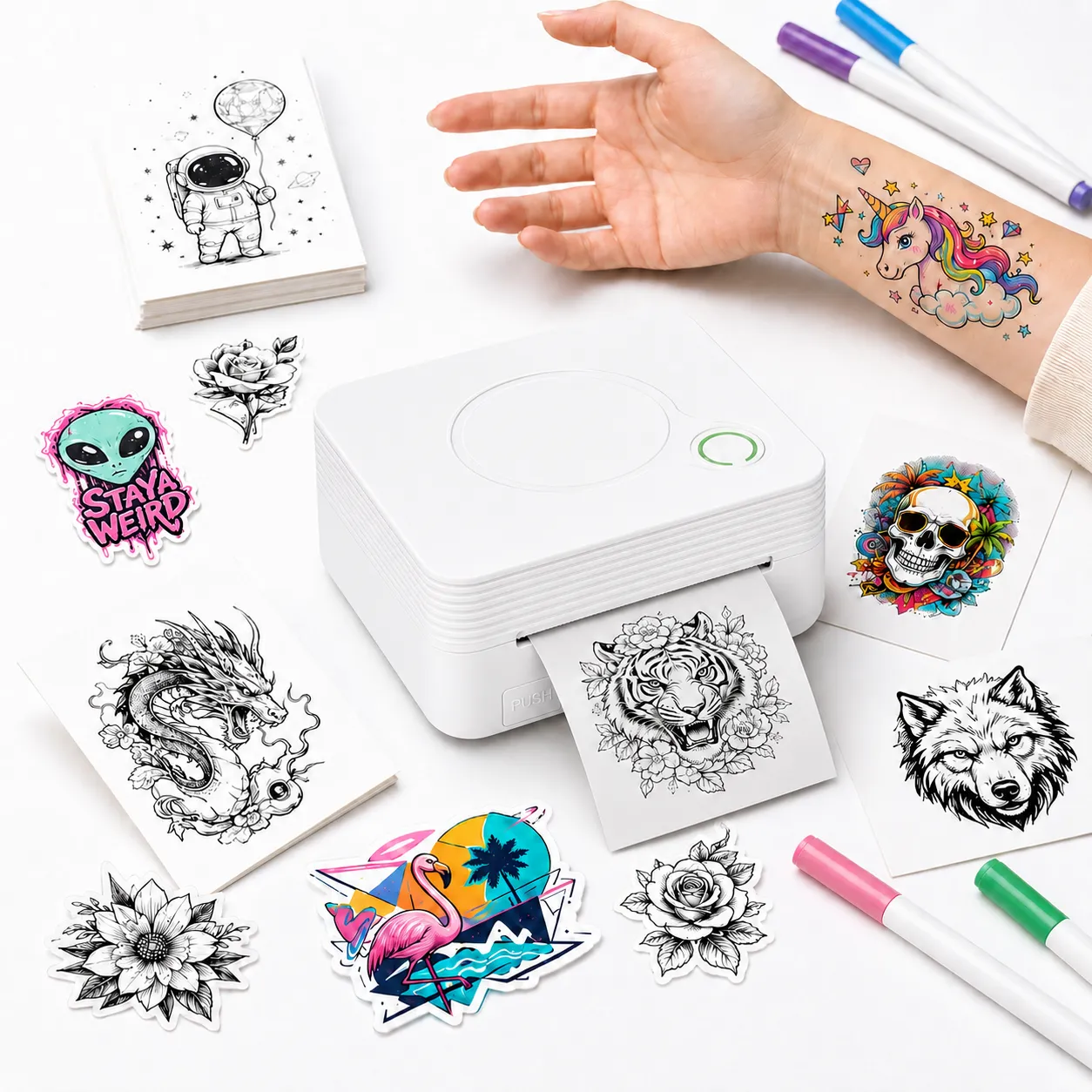
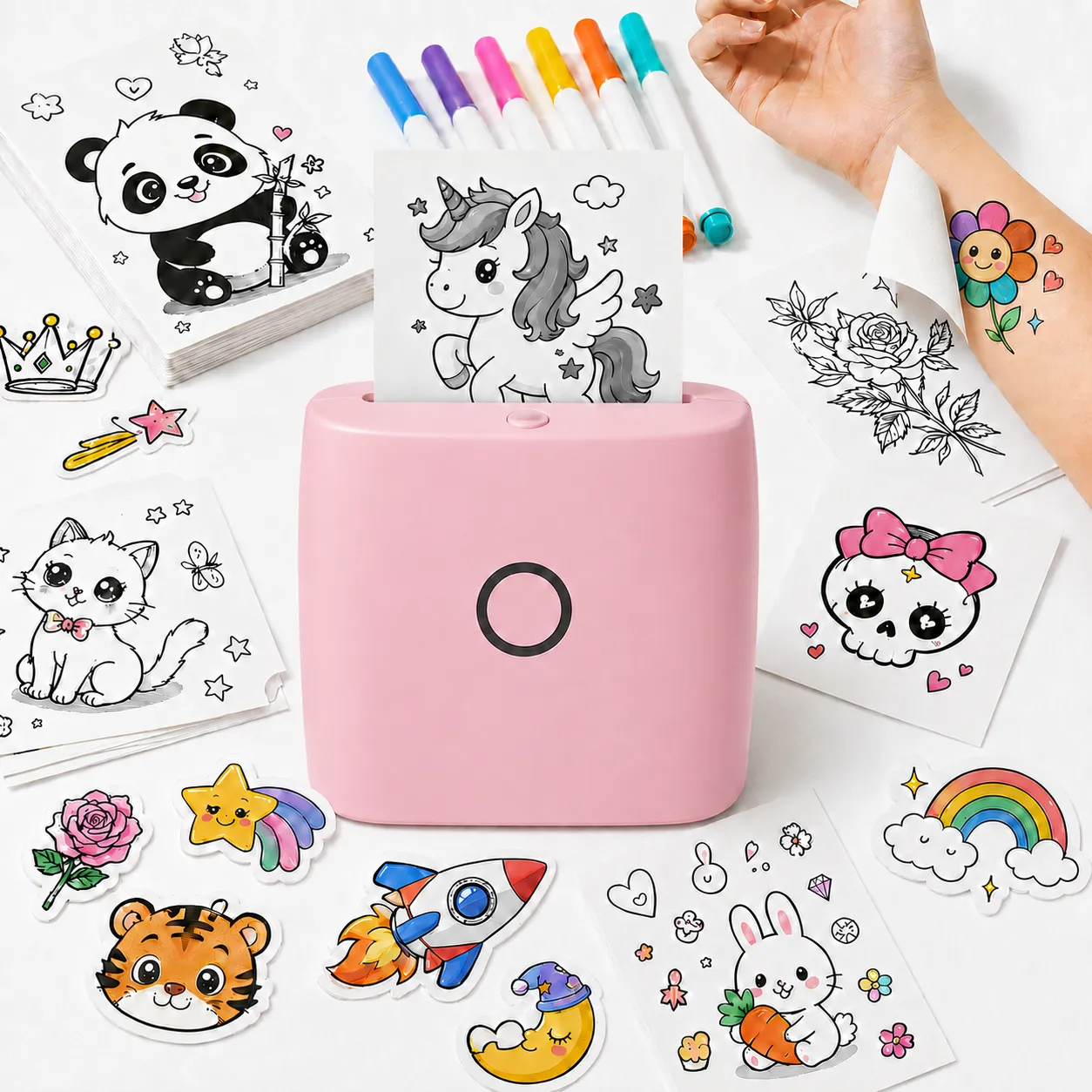
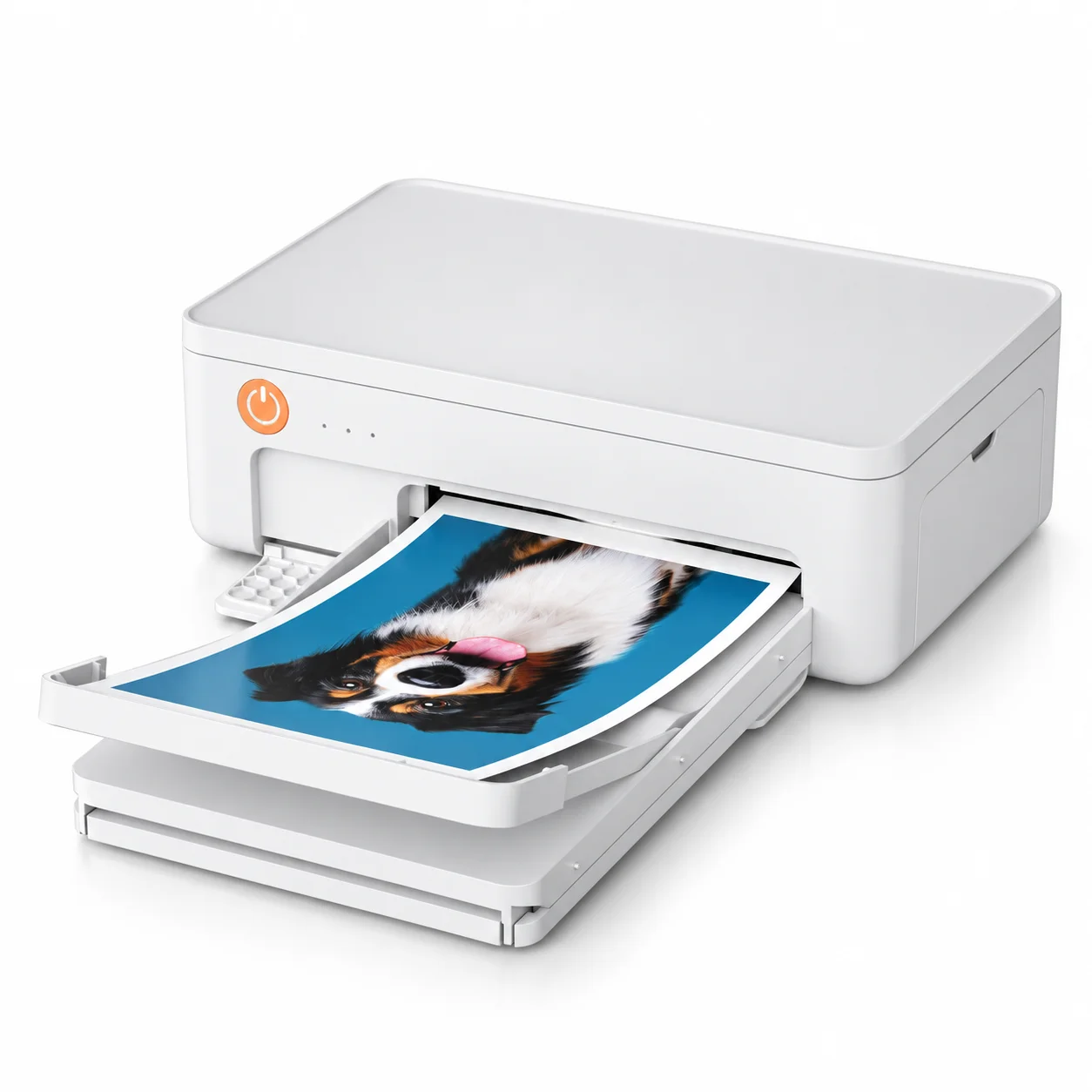
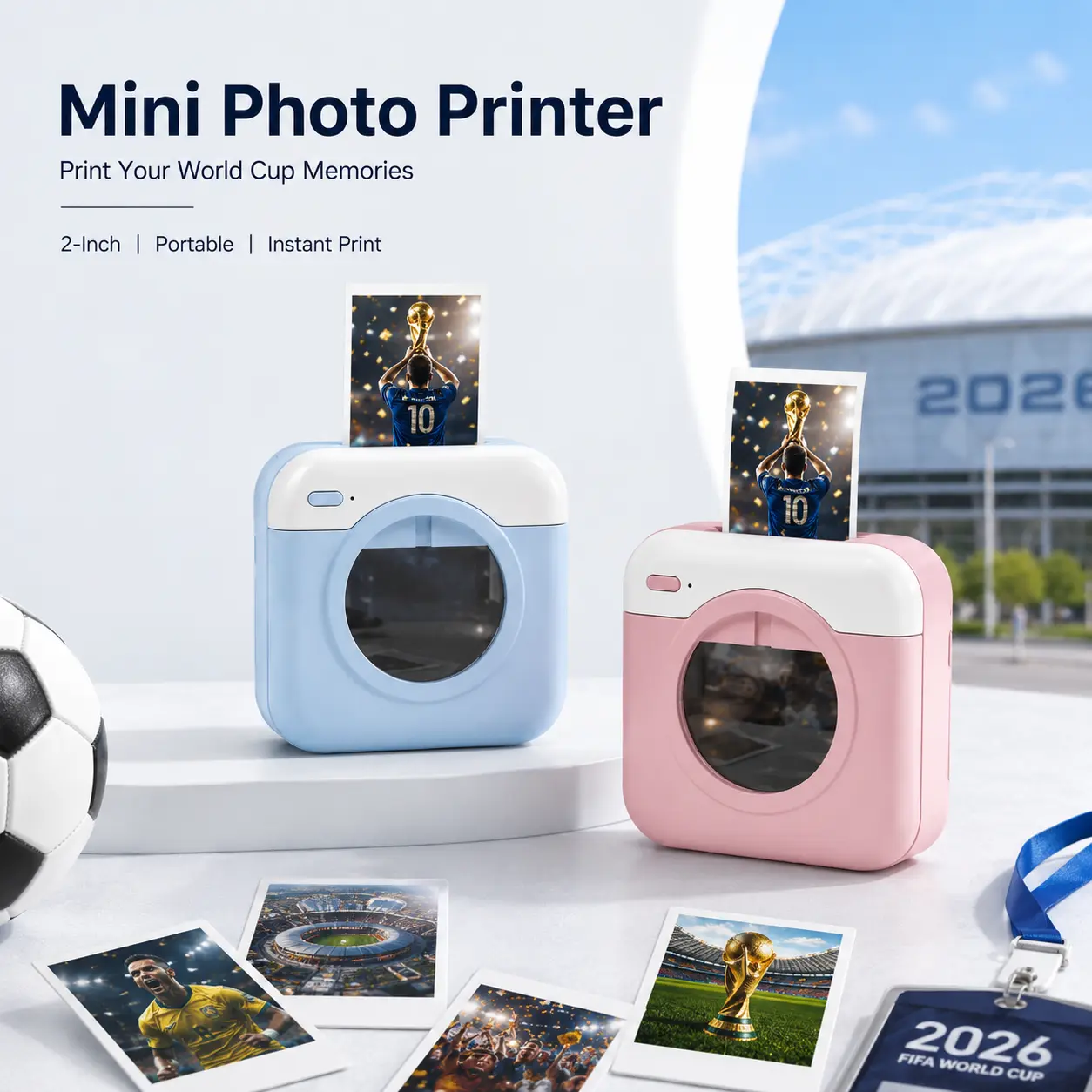
一般的な子供向けプリンターは、通常、子供向けに設計されたコンパクトな感熱式プリンターです。接続したモバイルアプリを通じて、写真、ラベル、塗り絵、パズル、メモ、教育コンテンツなどを印刷することができます。
昔ながらの子供用印刷機の仕組み
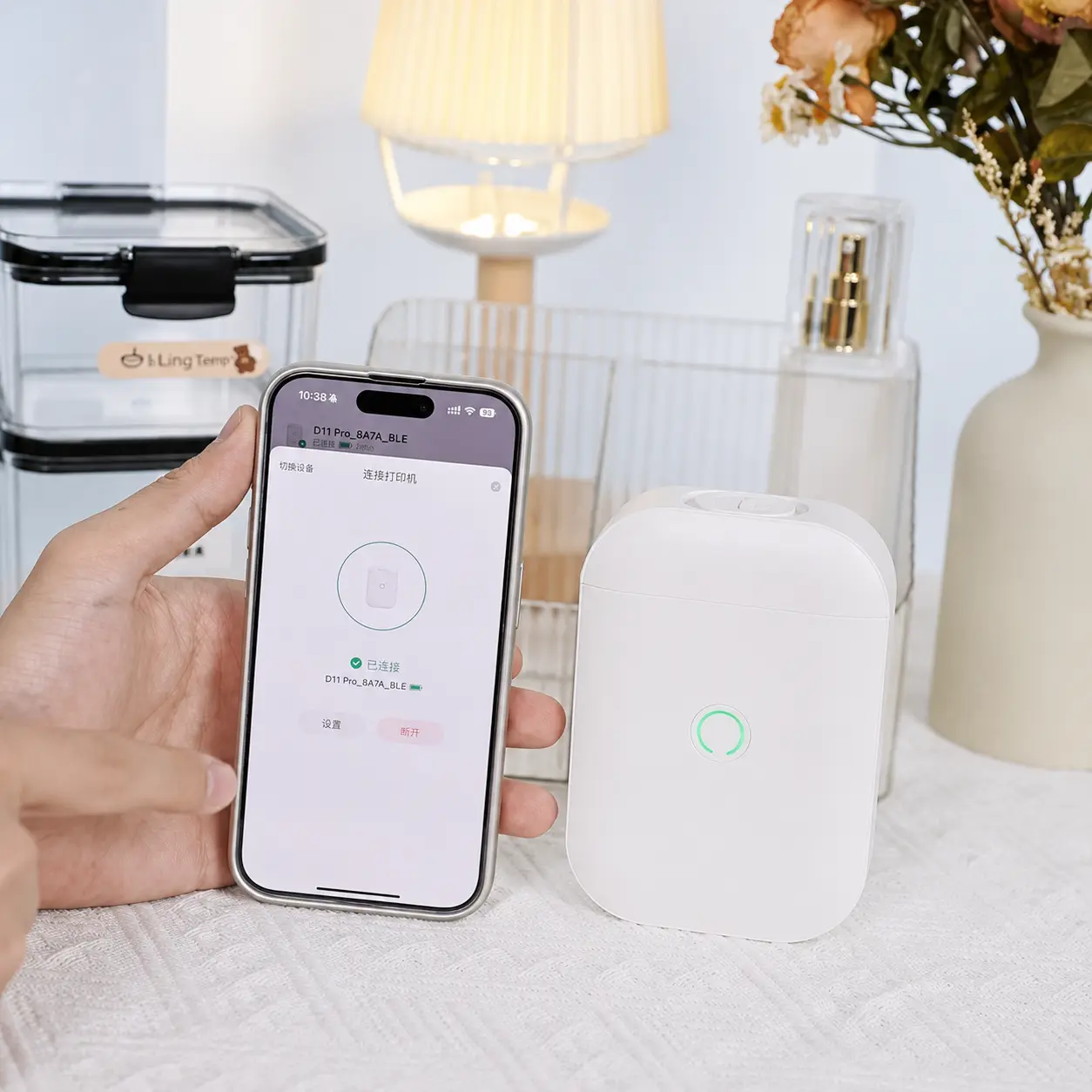
子供向けのプリンターの多くは感熱印刷技術を採用しており、インクカートリッジが不要です。ユーザーはBluetooth経由でプリンターをスマートフォンやタブレットに接続し、専用アプリを通じて印刷するコンテンツを選択します。
その後、プリンターは感熱紙に白黒印刷を行うため、操作が簡単でコスト効率も高い。
従来の子供用プリンターに共通する特徴
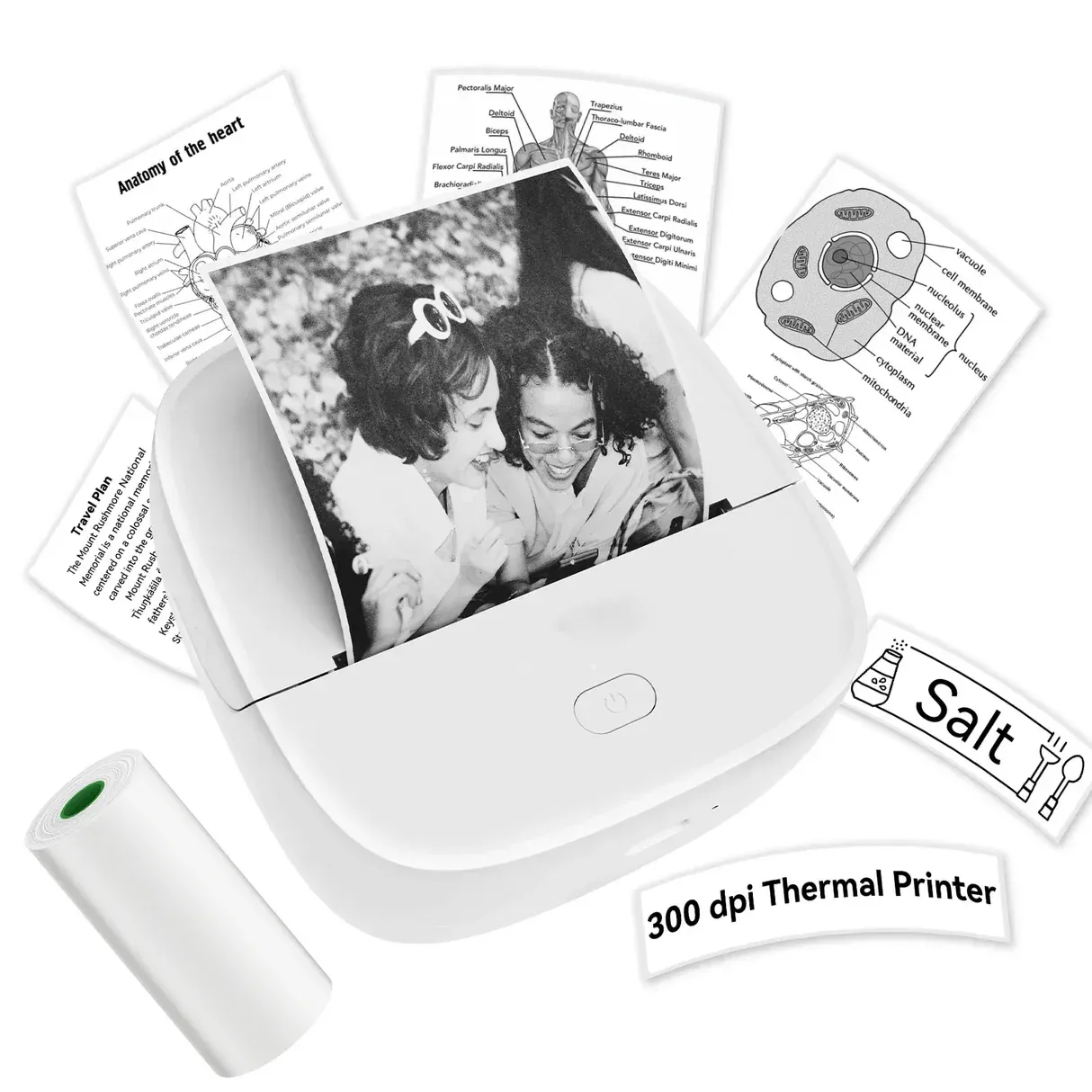
最近の子供向けサーマルプリンターには、多くの場合、以下の機能が搭載されています:
- 写真プリント
- ラベル印刷
- 塗り絵テンプレート
- 学習用ワークシート
- パズルゲーム
- ステッカー用紙の対応状況
- 持ち運び可能なバッテリー駆動式
一部のモデルにはカメラが内蔵されており、子供たちが写真を撮影してすぐに印刷することができます。
従来の子供用プリンターのメリット
従来のプリンターが依然として人気を博しているのには、いくつかの理由があります:
- 手頃な価格
- 簡単な操作
- 確立された市場需要
- 信頼性の高いハードウェア
従来の子供向けプリンターの限界
人気はあるものの、従来のプリンターにはいくつかの制限があります。
コンテンツのほとんどは、アプリ内に保存されている既成のテンプレートから提供されます。子どもたちはさまざまな画像やワークシートを選ぶことはできますが、創作活動は主に既存の選択肢の中から選ぶことに限定されています。
時間が経つにつれて、子供たちが利用可能なコンテンツをすべて消費し、よりパーソナライズされた体験を求めるようになると、ユーザーのエンゲージメントが低下する可能性があります。
AIクリエイティブプリンターとは?
ある AI搭載クリエイティブプリンター 従来のサーマルプリンターのハードウェアを基盤とし、人工知能を活用したコンテンツ生成機能を導入しています。
既存のテンプレートを単に印刷するのではなく、AIを活用したシステムは、ユーザーからの指示や興味、学習目標に基づいて新しいコンテンツを作成することができます。
AIを活用したコンテンツ生成の理解
AI技術により、子どもたちがコンテンツ制作に直接参加できるようになります。
例を挙げよう:
- AIが生成した塗り絵
- オリジナルキャラクターの作成
- あなただけのストーリー
- テキストから画像へのアートワーク
- オンデマンドで作成される学習用ワークシート
- 創作のヒント
決まったライブラリから選ぶのではなく、子どもたちはデバイスを使うたびに、まったく新しいコンテンツを作り出すことができます。
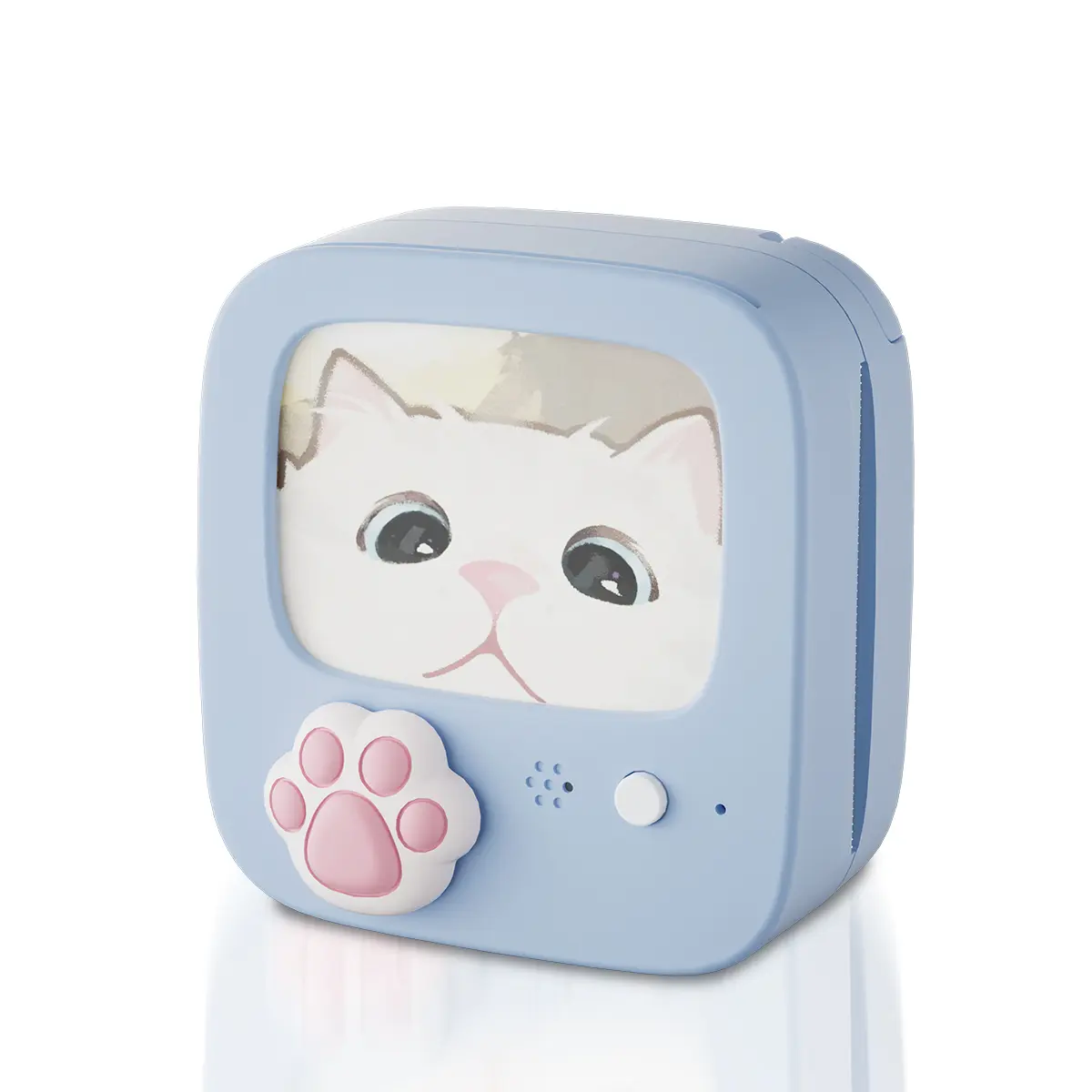
AI搭載クリエイティブプリンターがユーザー体験をどのように向上させるか
従来のプリンターとAIプリンターの最大の違いは、パーソナライゼーションの度合いです。
子どもは次のようなリクエストをすることができます:
- 恐竜の宇宙飛行士
- 宇宙のユニコーン姫
- ジャングルの冒険 塗り絵
- オリジナルの漫画キャラクター
このAIシステムは、ほぼ瞬時に独自の印刷用コンテンツを生成します。
これにより、プリンターは単なる出力デバイスから、双方向型のクリエイティブ・プラットフォームへと生まれ変わります。

現代のAI搭載クリエイティブプリンターの主な特徴
多数 AI搭載のクリエイティブプリンター 現在、以下のサービスを提供しています:
- AIによる画像生成
- AIを活用した描画ツール
- 個別に合わせた教育コンテンツ
- 音声による対話
- キャラクター作成
- ストーリーの挿絵
- 創造的な課題と活動
- クラウドベースのコンテンツ更新
ソフトウェアの機能が向上するにつれ、ハードウェアを大幅に変更することなく、これらの機能は拡大し続けています。
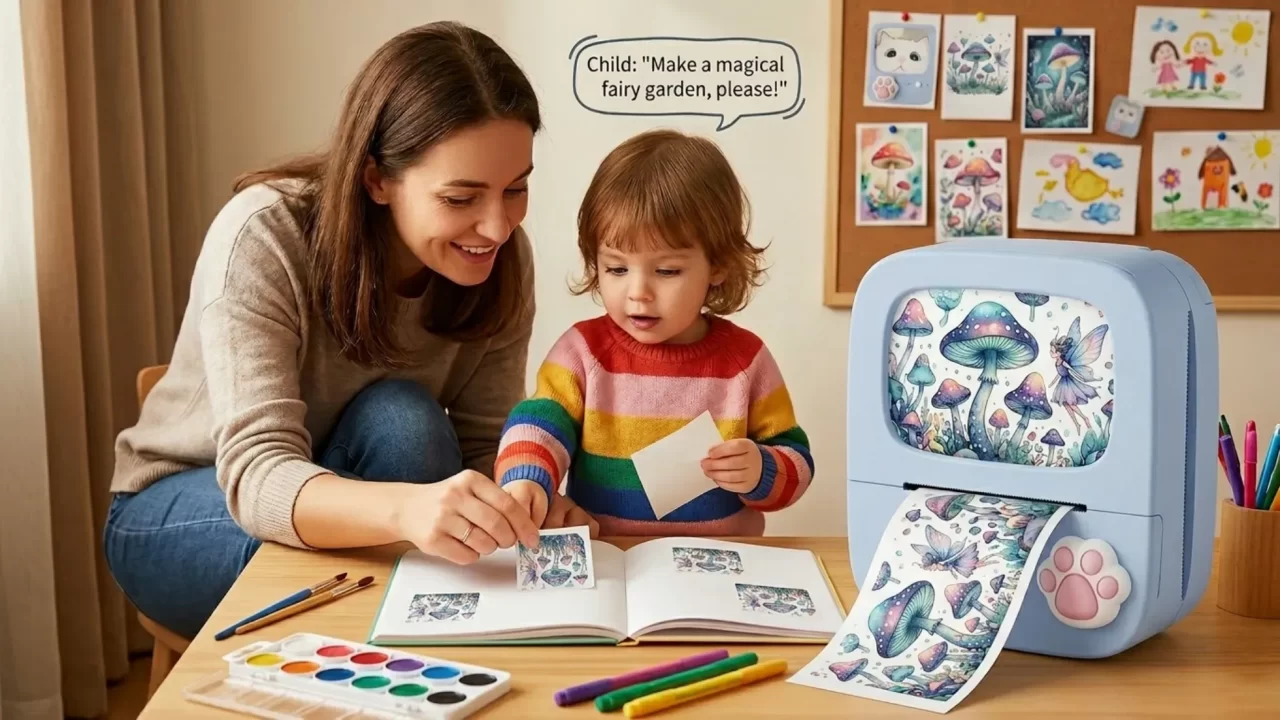
AI搭載クリエイティブプリンターと従来の子供向けプリンター:機能ごとの比較
両製品とも同様の感熱印刷技術を採用していますが、その全体的な価値提案には大きな違いがあります。
創造性とコンテンツ生成
従来のプリンターは、主にあらかじめ搭載されたテンプレートやコンテンツライブラリに依存しています。
AIプリンターは独自のコンテンツを動的に生成し、ユーザーにほぼ無限の創造の可能性を提供します。
受賞者:AIクリエイティブプリンター
教育的価値
従来のプリンターは、ワークシート、フラッシュカード、印刷可能な練習問題などを通じた学習をサポートしています。
AIプリンターは、コンテンツを個人の興味に合わせて最適化することで、学習体験をより魅力的なものにします。
例えば、動物に興味のある子どもには、その子のために特別に作成された、動物をテーマにしたアクティビティを提供することができます。
受賞者:AIクリエイティブプリンター
ユーザーのエンゲージメントと定着率
子供たちは、同じ内容の繰り返しにすぐに飽きてしまうものです。
AIによる生成物は常に変化し続けているため、AIプリンターはより長期間にわたってユーザーの関心を維持することができる。
セッションのたびに新しいものを作り出せるという点が、繰り返し利用を促します。
受賞者:AIクリエイティブプリンター
パーソナライゼーション機能
従来のプリンターでは、カスタマイズ機能に制限があります。
AIプリンターは、オリジナルのキャラクターやストーリー、イラストなど、高度にパーソナライズされた体験を実現します。
受賞者:AIクリエイティブプリンター
ハードウェア要件
どちらの製品カテゴリも、一般的に同様のハードウェアコンポーネントを使用しています:
- 感熱式プリントヘッド
- バッテリー
- Bluetoothモジュール
- モバイルアプリ
ただし、AIプリンターには、より強力なアプリ基盤やクラウド接続が必要となる可能性があります。
受賞者:伝統的な児童書出版社
製造コストと小売価格
従来のプリンターは、一般的に製造・販売コストが安価です。
AIプリンターには、ソフトウェア開発、AIの統合、そして継続的なコンテンツサポートが必要となるため、コストが高くなります。
しかし、彼らはプレミアム価格戦略も支持している。
勝者:市場でのポジショニング次第
データ接続とソフトウェア・エコシステム
従来のプリンターは、基本的なアプリケーションであれば問題なく動作します。
AIプリンターは、常に最新のコンテンツや機能を提供し続ける連携されたエコシステムの恩恵を受けています。
これにより、顧客との継続的な関わりを持つ機会が生まれます。
受賞者:AIクリエイティブプリンター
対象年齢層
従来のプリンターは、3歳から8歳までの幼い子供たちに人気があることが多い。
AIプリンターは、一般的に年長の子供たち、特に絵を描くことや物語作り、創作活動に興味のある子供たちに人気があります。
勝者:対象読者層による
製品のライフサイクルとアップグレードの可能性
従来のプリンターは、ハードウェアの更新に大きく依存している。
AIプリンターはソフトウェアのアップデートによって性能が向上するため、製品の寿命を延ばし、顧客の定着率を高めることができます。
受賞者:AIクリエイティブプリンター
| 特徴 | 昔ながらの子供向け印刷業者 | AIクリエイティブプリンター |
|---|---|---|
| 創造性 | テンプレートベースの | AI生成 |
| パーソナライゼーション | 限定 | 高い |
| 教育的価値 | 中程度 | 高い |
| コンテンツの更新 | マニュアル | 連続 |
| ユーザーエンゲージメント | 中程度 | 高い |
| 小売価格 | より低い | プレミアム |
| アップグレードの可能性 | ハードウェアに重点を置いた | ソフトウェア主導の |
AI搭載クリエイティブプリンターが急成長中の製品カテゴリーとなっている理由
いくつかの市場要因が、AIを搭載した子供向け製品の普及を加速させている。
AI搭載の民生用製品への関心の高まり
人工知能は、今や主流の技術となっている。
保護者はAIツールにますます慣れ親しんでおり、AIを活用した教育製品を家庭に取り入れることにも前向きになっている。
認知度が高まるにつれ、AI搭載のおもちゃや学習機器は信頼性を増し、需要も高まっている。
コンテンツの消費からコンテンツの制作へ
親たちは、創造力、問題解決能力、そして想像力の育成をますます重視するようになっている。
AI搭載のクリエイティブプリンターは、子どもたちがコンテンツを単に消費するだけでなく、自ら生み出すよう促すことで、このトレンドを支えています。
これは、能動的学習を重視する現代の教育哲学と密接に符合している。
製品の価値に対する認識の高まり
AI機能を搭載した製品は、小売価格が割高になる傾向がある。
消費者は一般的に、AI機能をイノベーションや最先端技術と結びつけており、これによりブランドはこうした製品をプレミアム市場セグメントに位置づけることができる。
ブランド差別化の機会
従来の子供向けプリンターは、価格やデザインで競い合うことが多い。
AIプリンターは、以下の点を通じて、他社との明確な差別化を図る機会を提供します:
- AI独自の機能
- ユニークで創造的な体験
- 独自開発のアプリケーション
- サブスクリプション型コンテンツエコシステム
他社との差別化を図りたいブランドにとって、AIはイノベーションの余地を大幅に広げてくれます。
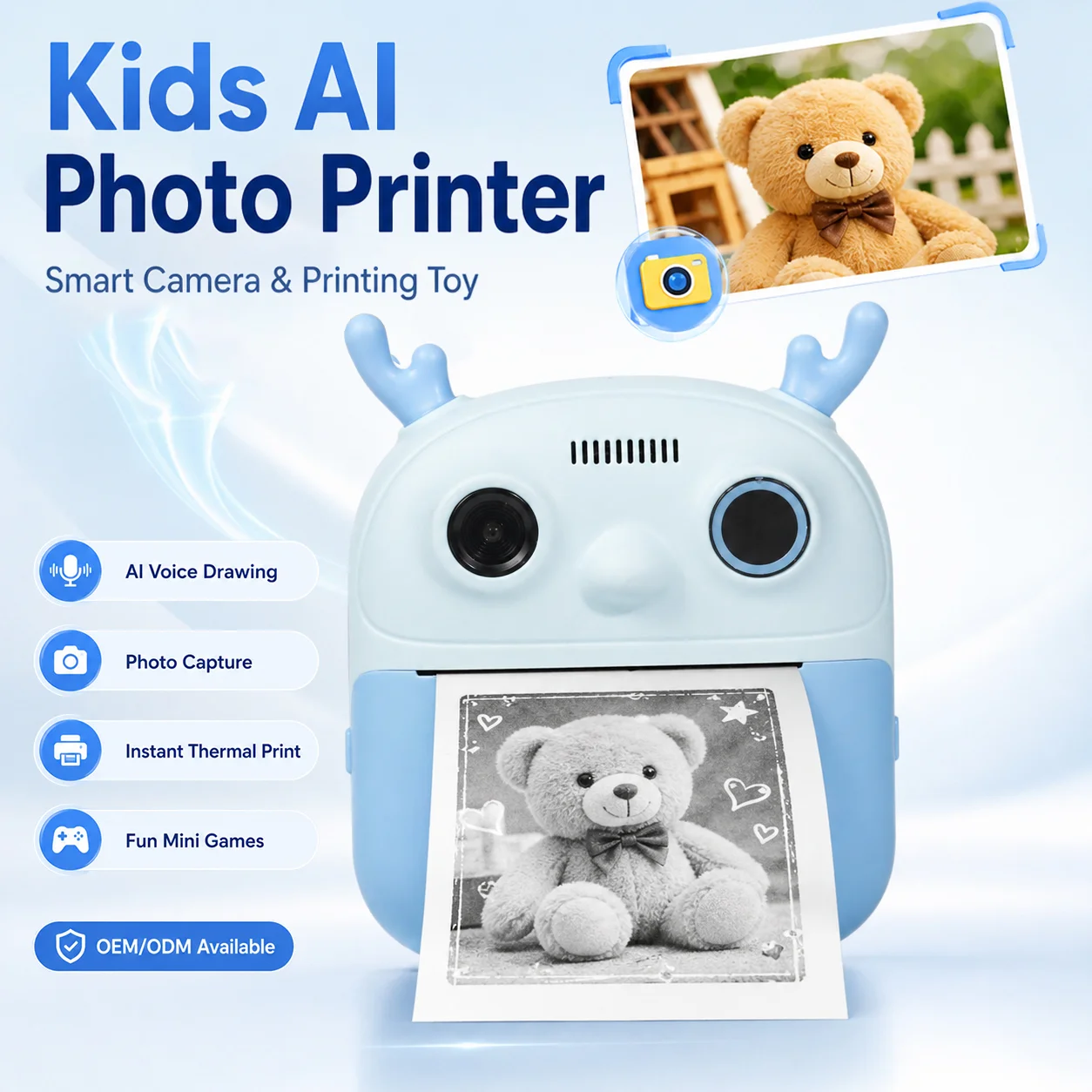
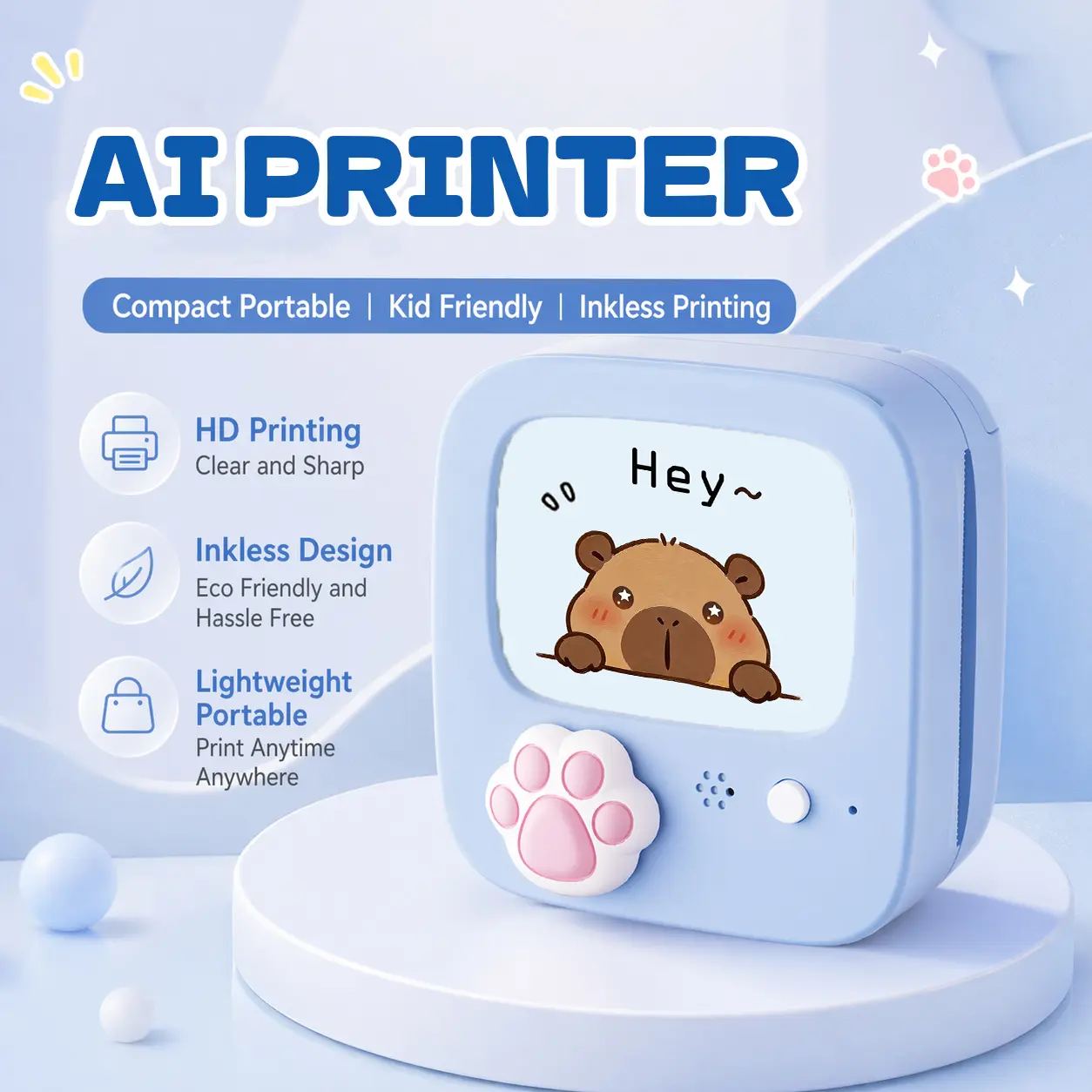
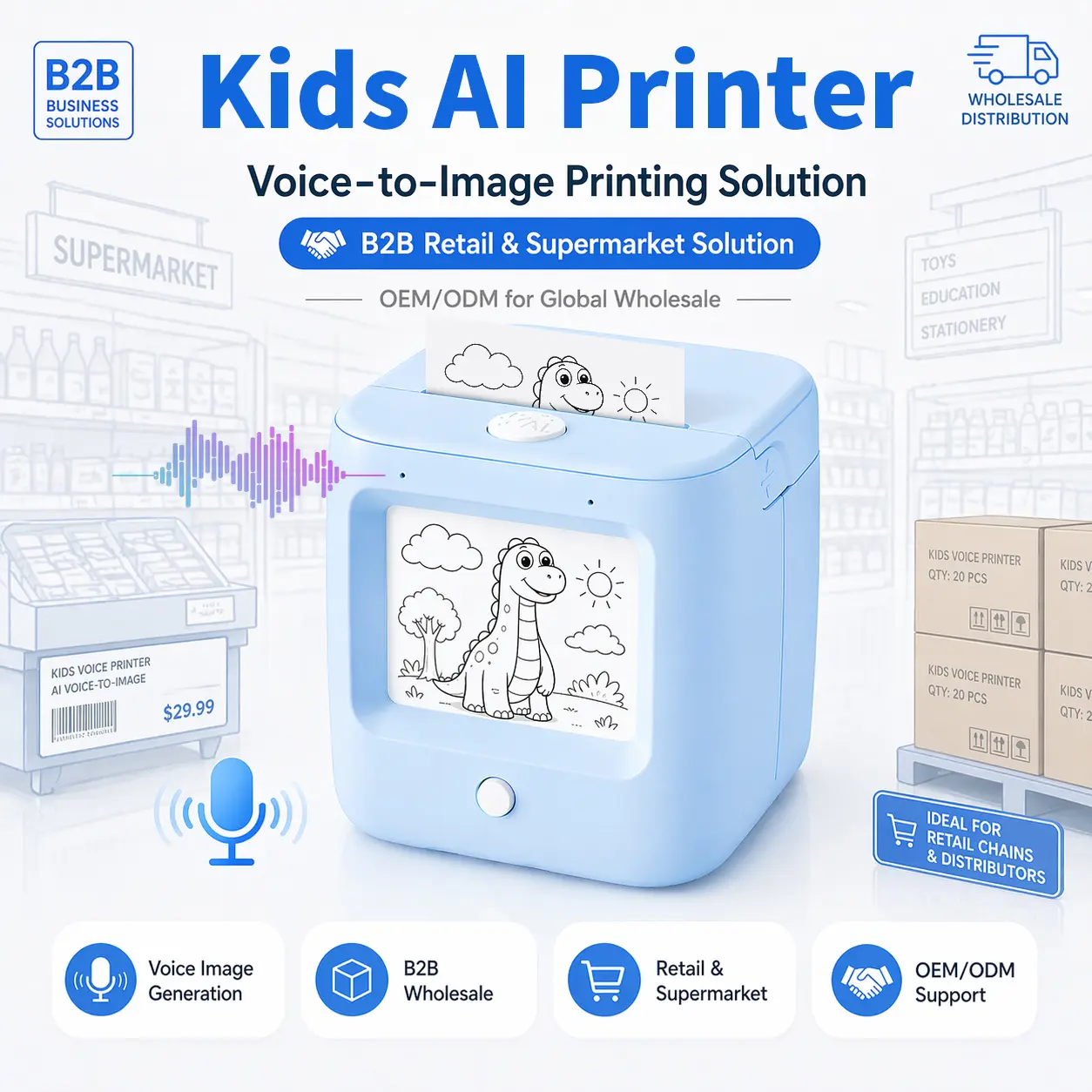
ビジネスモデルごとに、どちらの製品が適しているでしょうか?
その答えは、ターゲット市場や事業目標によって異なります。
従来の子供用プリンターは、次のような用途に最適です
従来のプリンターは、次のような場合に最適な選択肢となることがよくあります:
- 価格重視の市場
- 小売向けプロモーションプログラム
- 初心者向け教育用製品
- 大量流通チャネル
- 価格に敏感な消費者
信頼性の高い性能と、市場での幅広い支持を得ています。
AIクリエイティブプリンターは、次のような用途に最適です
AIプリンターは、特に次のような用途において魅力的です:
- 高級玩具ブランド
- 教育テクノロジー企業
- 専門小売店
- ギフト商品カテゴリ
- Eコマースに特化したブランド
これらは、より高い利益率と、より明確な製品差別化を実現します。
ハイブリッド製品戦略
アイインと提携している多くの企業が、現在ハイブリッド型のアプローチを採用しています。
A 従来の感熱プリンター ハードウェアの基盤となる一方で、AIを活用したソフトウェアが高度なクリエイティブ機能を提供します。
この戦略は、熱転写印刷の実証済みの信頼性と、人工知能がもたらすエンゲージメント効果を融合させたものです。
経験豊富なパートナーと提携しているブランドにとって AIプリンターメーカー、ハイブリッド型ソリューションは、多くの場合、最も拡張性の高い長期的な機会となります。
プライベートブランド展開の機会を探している企業は、以下の企業と提携することでメリットを得られる可能性があります。 カスタムAIプリンターメーカー 特定の市場の要件に合わせて、機能、ブランドイメージ、およびアプリケーションを柔軟に調整できる。
世界的な需要の拡大が続く中、信頼できるAIプリンターの卸売業者と提携することで、販売代理店は競争力のある価格を維持しつつ、製品ラインナップを拡充することができます。
児童向け印刷技術の今後の動向
子供向け印刷製品の進化は、まだ始まったばかりだ。
AIを活用した個別学習コンテンツ
将来のシステムでは、教育コンテンツが個人の学習スタイル、興味、習熟度に合わせて調整されるようになるでしょう。
音声で操作する創造性
音声操作により、まだ複雑なプロンプトを入力できない幼い子供たちにとっても、コンテンツ作成がより手軽になります。
AIを活用したストーリーテリングと教育用印刷
子供たちは、AIシステムとの簡単な会話を通じて、イラスト入りの物語やパズル、アクティビティブックを丸ごと作成できるようになるかもしれません。
クラウド型コンテンツ・エコシステム
連携されたプラットフォームにより、コンテンツの継続的な更新が可能となり、購入後も長期間にわたり製品の価値を維持できます。
サブスクリプション型クリエイティブプラットフォーム
多くのブランドは、最終的には定期的なコンテンツ配信モデルへと移行し、顧客維持率を向上させながら追加の収益を生み出すことになるでしょう。
結論
従来の子供向けプリンターは、手頃な価格、使いやすさ、そして確かな市場需要により、依然として価値ある製品です。多くの小売業者や卸売業者にとって、これらは今後も安定的で収益性の高いカテゴリーであり続けるでしょう。
しかし、市場はますますパーソナライズされた双方向型の体験へと移行しつつあります。こうした環境において、AIクリエイティブプリンターは、創造性、教育的価値、ユーザーエンゲージメント、そして長期的な差別化という点で、明らかな優位性を発揮します。
プレミアムなポジショニングとより強力な競争優位性を求めるブランドにとって、AIを搭載した印刷製品は、子供向けクリエイティブ技術における次の大きな進化となる可能性があります。従来のプリンターは引き続きエントリーレベル市場を担っていくものの、AI対応ソリューションは、今後の市場成長においてシェアを拡大していくと見込まれます。
アイインについて
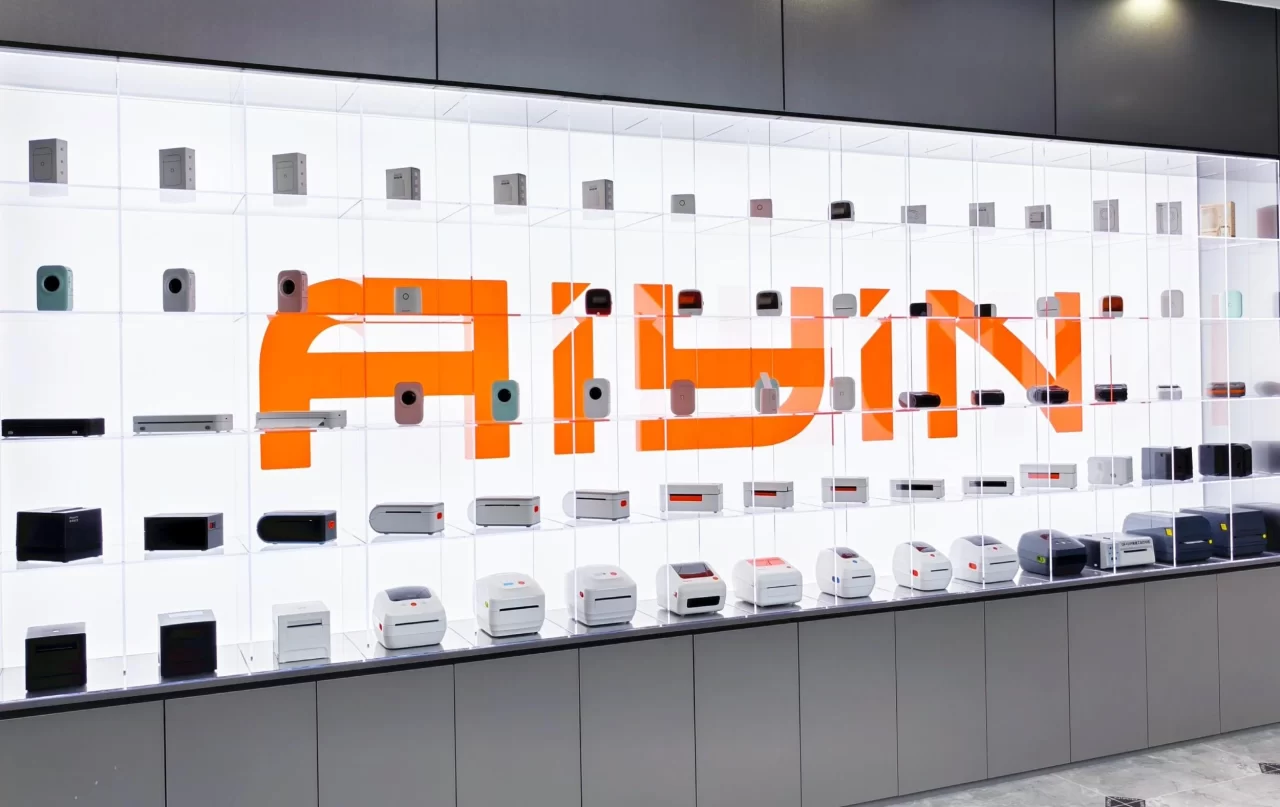
アイインは経験豊富な 子供向けAIクリエイティブプリンターメーカー グローバルブランド、流通業者、卸売業者、小売業者向けに、革新的な子供向け印刷ソリューションを専門としています。強力な生産能力、製造ノウハウ、そして国際市場における豊富な経験を活かし、信頼性が高く、拡張性のある OEM/ODM AIサーマルプリンターサービス B2B顧客向けに特化しています。
実績あるサーマル印刷技術と、AIを活用した先進的なクリエイティブ機能を融合させた当社の製品は、安定した性能、高精細な印刷、そして市場における明確な差別化を実現します。製品のカスタマイズやアプリ開発からパッケージデザイン、プライベートブランド展開に至るまで、当社のチームはお客様と密接に連携し、現地市場の要件を満たす競争力のあるソリューションを構築するとともに、長期的なビジネスの成長とお客様の成功を支援します。
よくあるご質問
AIクリエイティブプリンターとは何ですか?
AIクリエイティブプリンターは、サーマル印刷のハードウェアと、パーソナライズされた画像、物語、塗り絵、教育コンテンツを生成する人工知能ソフトウェアを組み合わせたものです。
AI搭載のクリエイティブプリンターは、従来の子供向けプリンターとどう違うのですか?
従来のプリンターは主にあらかじめデザインされたテンプレートを印刷するのに対し、AIクリエイティブプリンターはユーザーの指示や操作に基づいて独自のコンテンツを生成します。
AI搭載のクリエイティブプリンターは教育現場での利用に適しているでしょうか?
はい。AI搭載のクリエイティブプリンターは、教育的な成長を促す、カスタマイズされた学習教材、ワークシート、および創造的なアクティビティを作成することができます。
AIクリエイティブプリンターは感熱印刷技術を採用していますか?
現在でも、AI搭載のクリエイティブプリンターの多くは、持ち運びが容易で、コストパフォーマンスに優れ、子供でも簡単に使えるという理由から、サーマル印刷技術を採用しています。
販売代理店にとって、AIプリンターと従来の子供向けプリンターのどちらがより収益性が高いでしょうか?
AIプリンターは一般的に、より高い小売価格と明確な差別化を実現できる一方、従来のプリンターは販売台数の多さというメリットを享受することが多い。
AIクリエイティブプリンターは、プライベートブランド向けにカスタマイズできますか?
はい。多くのメーカーがOEMおよびODMサービスを提供しており、ブランド側はハードウェア、ソフトウェア、パッケージ、アプリケーションをカスタマイズすることができます。
AIを活用したクリエイティブプリンターは、玩具業界における大きなトレンドになりつつあるのだろうか?
はい。AIの導入が進み、保護者がより創造的な教育用製品を求めるようになるにつれ、AI搭載のクリエイティブプリンターは急速に成長しているカテゴリーとして台頭しています。