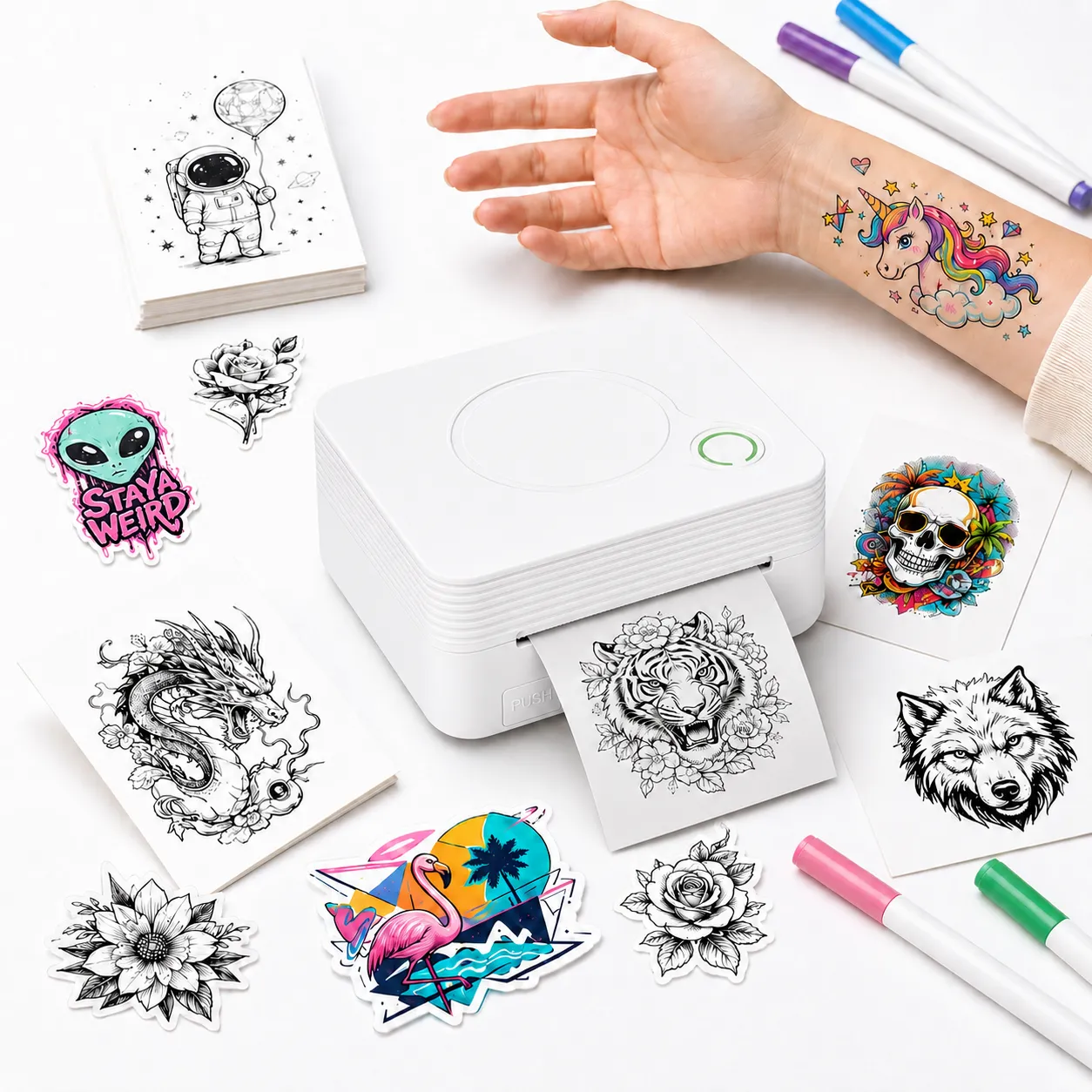
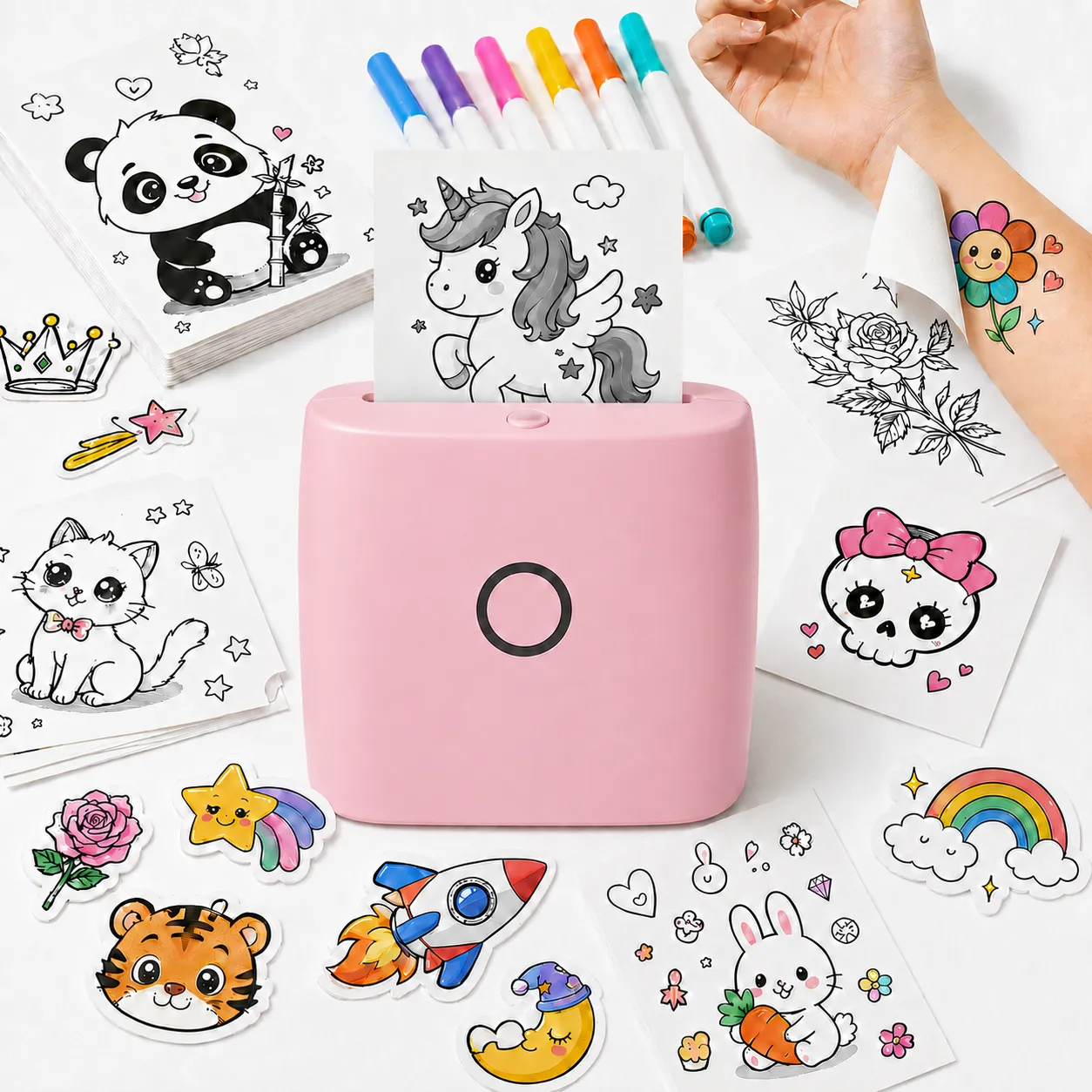
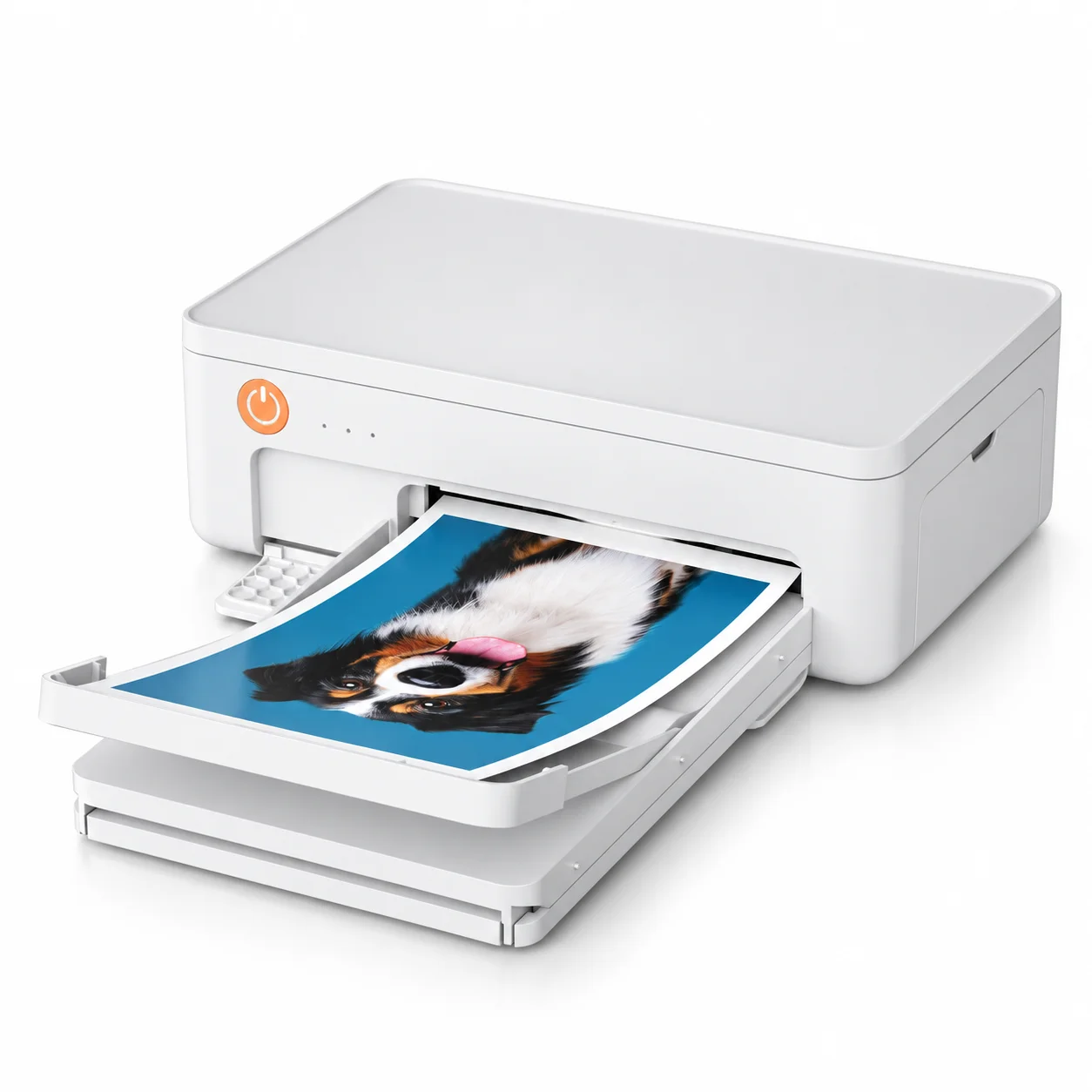
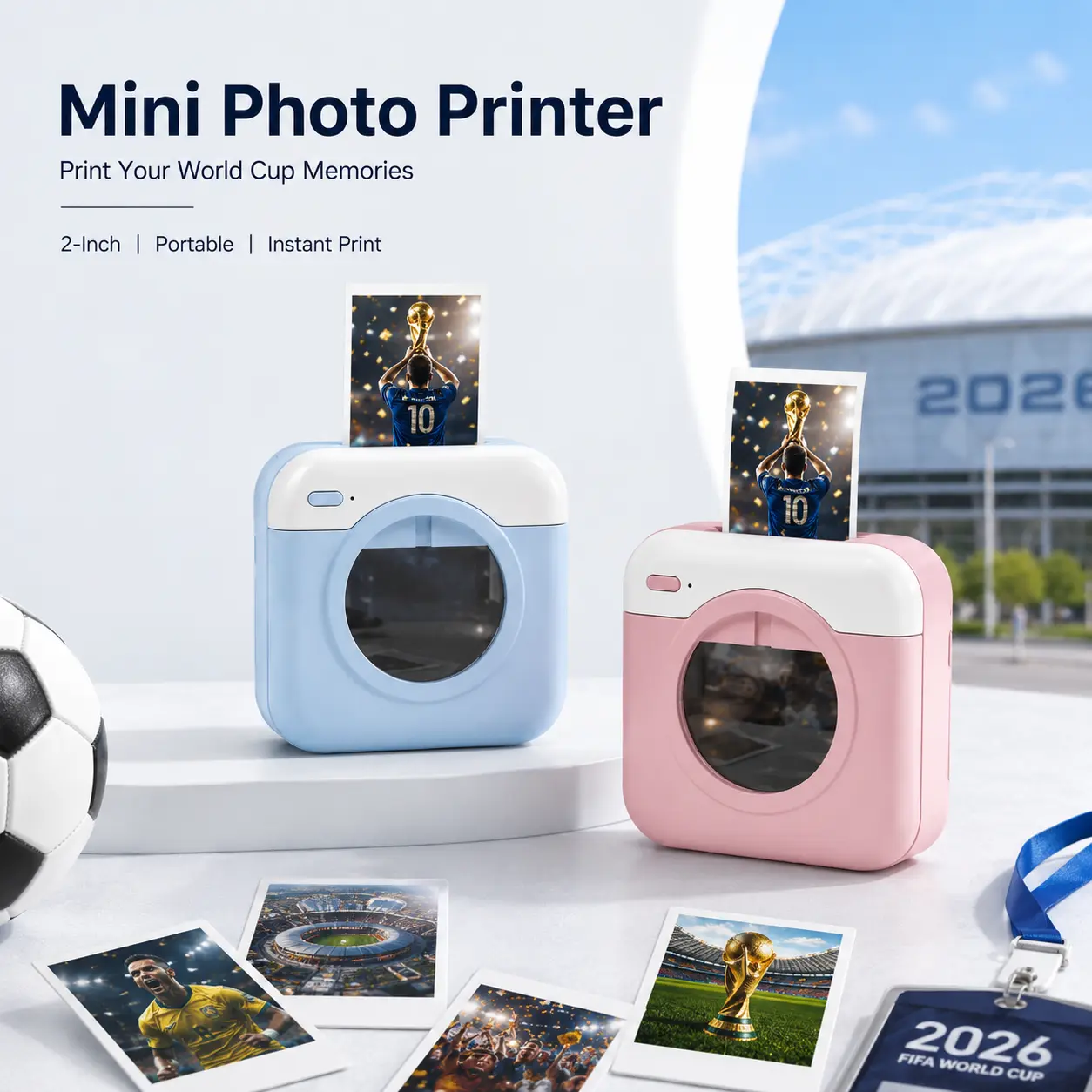
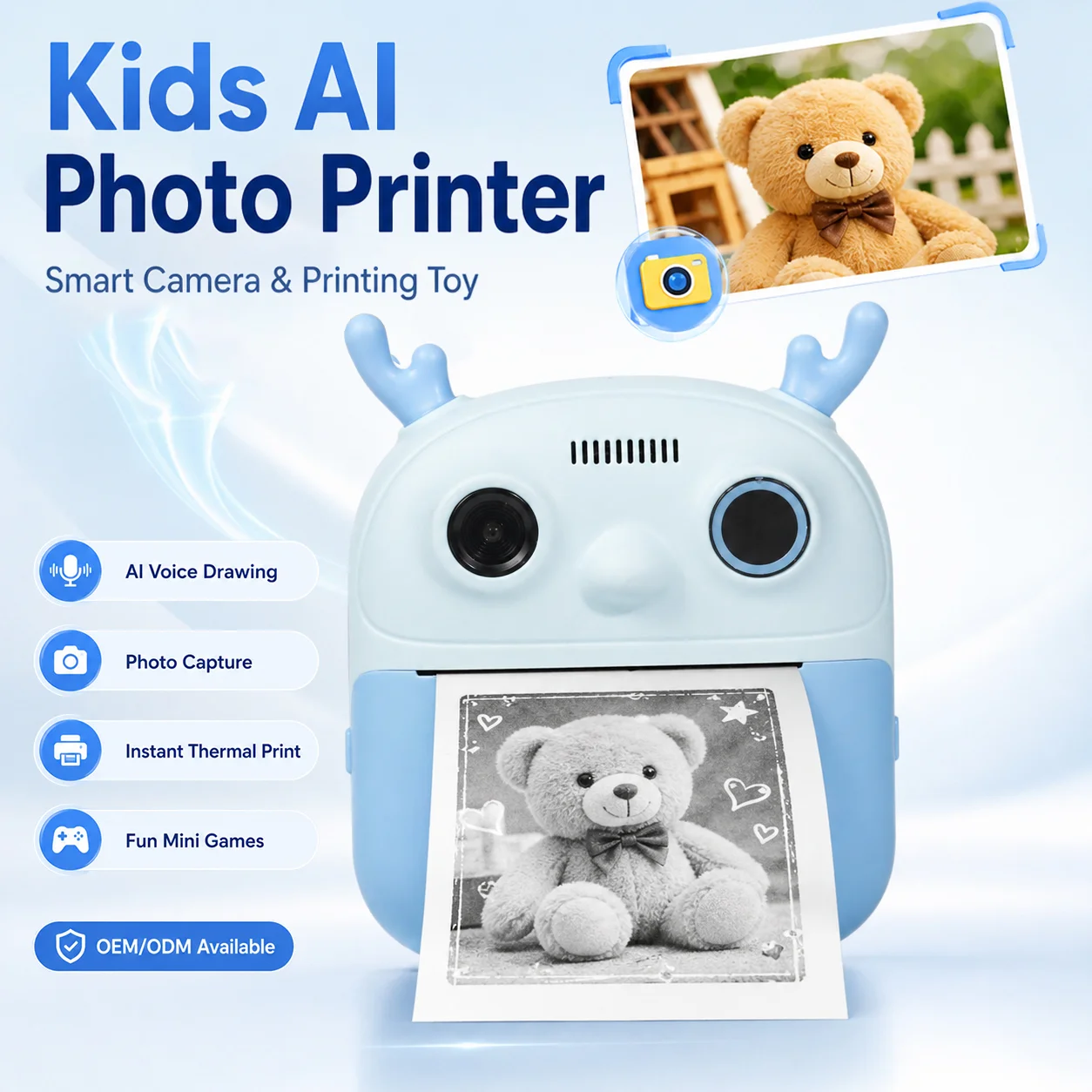
ミニサーマルプリンターは、フルサイズの装置のようなかさばりや制約がなく、迅速なその場での印刷を必要とするビジネスにとって実用的なツールとなっています。技術的には標準的なサーマルプリンターで対応可能なアプリケーションも多くありますが ミニサーマルプリンター 可搬性、低設定コスト、電力依存性の低減、ユーザーエクスペリエンスの向上など、実際のワークフローにおいて重要な運用上の利点をもたらします。
この記事では、アイインが 大手サーマルプリンターメーカーB2Bの中核となるアプリケーションについて、また重要なこととして、ミニ・デバイスがしばしば商業的により良い選択となる理由について、喜んで説明する。
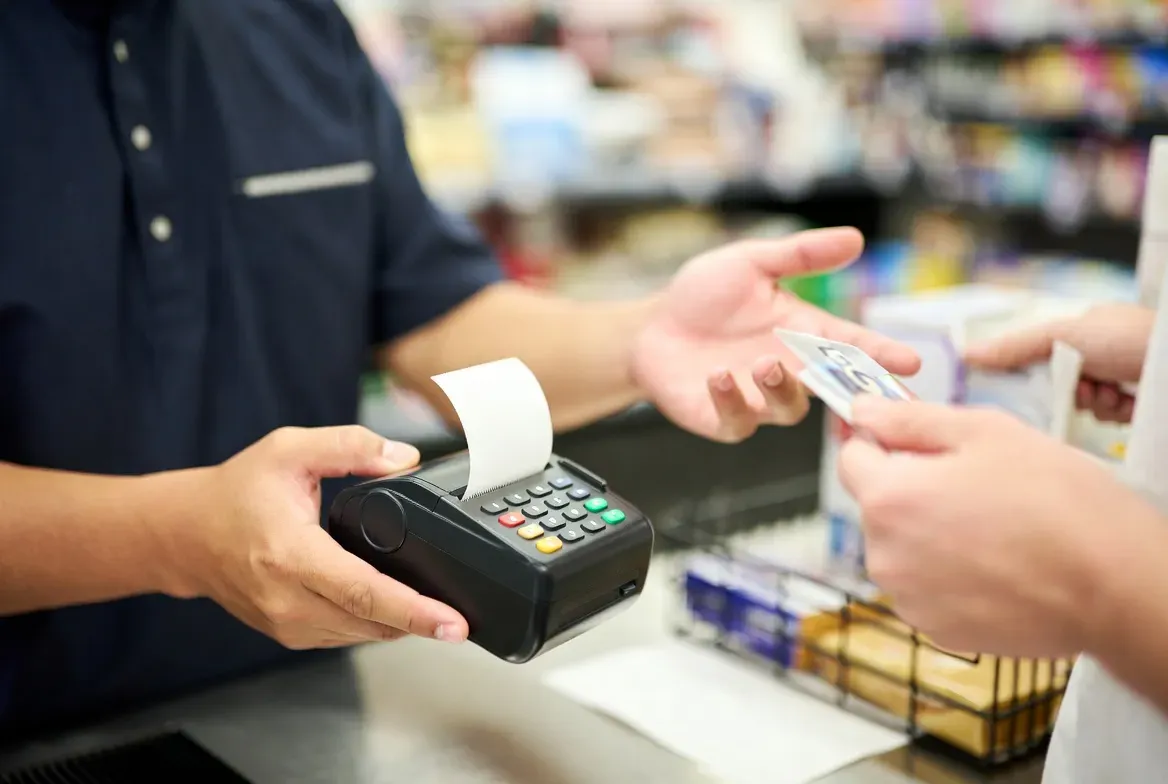
リテールとモバイルPOS:ポップアップ、マーケット、オムニチャネル・マーチャンダイジング
使用例 ポップアップ・ショップ、歩道での小売、マーケット出店、イベントでのモバイル・チェックアウト。
なぜ ミニサーマルプリンター が勝った:
- モビリティ 店員は固定レジに走ることなく、販売時点でレシートや値札を印刷できる。
- ACは不要: バッテリー駆動のため、電力供給が制限されている場合でもラインを動かし続けることができる。
- 設置面積とセットアップ時間を削減 短期間のキャンペーンであれば、ハンドヘルドデバイス1台でフルPOSステーションを置き換えることができ、臨時店舗の設備投資と物流を削減できる。
- 顧客経験: 棚やレジで即座に印刷することで、待ち行列を短縮し、コンバージョンを高めることができます。
標準的なプリンターでも同じレシートを作成できますが ミニサーマルプリンター カウンタースペースやケーブル管理が不要なため、一過性の小売店やオムニチャネルのアクティベーションに最適です。
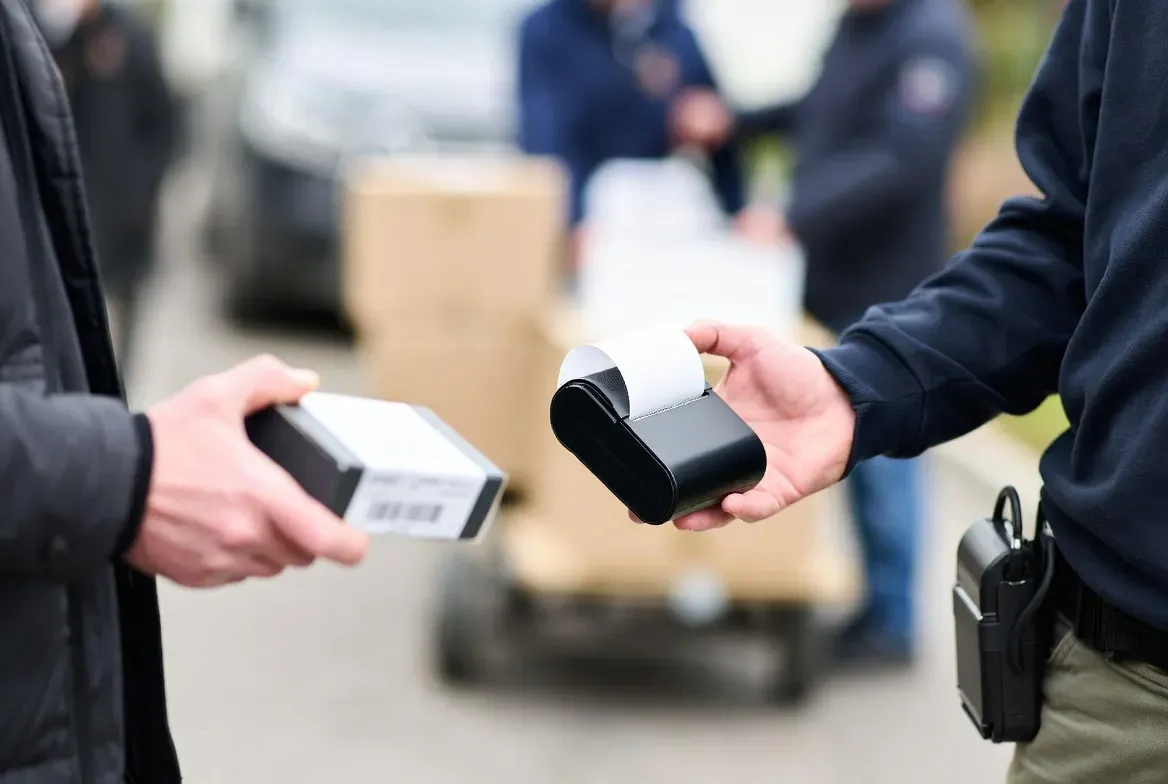
フィールドサービス&ロジスティクス現場でのラベリングとサービス証明
使用例 配送確認書、サービスチケット、現場での請求書、簡単な配送ラベル。
なぜ ミニサーマルプリンター が勝った:
- リアルタイムの証明: ドライバーや技術者は確認書をすぐに印刷できるため、管理上の遅れや紛争を減らすことができる。
- コンパクトに収納できる: 車両レイアウトを変更することなく、バン、バックパック、ツールベルトにフィット。
- 移動のための耐久性: 多くのミニモデルは頑丈な筐体を持ち、バッテリーの寿命は一日中予測できる。
- 小規模フリートのTCOを削減: 各車両にフルサイズのプリンターを配備するのに比べ、安価なデバイスと安価なメディアで総コストを削減できる。
標準的なデスクトップ・プリンターはセントラル・ハブでは依然として価値があるが、ラストワンマイルのオペレーションでは ミニサーマルプリンター は、オンルート、オンタイムの文書化を可能にすることで、測定可能な運用上の利益をもたらします。
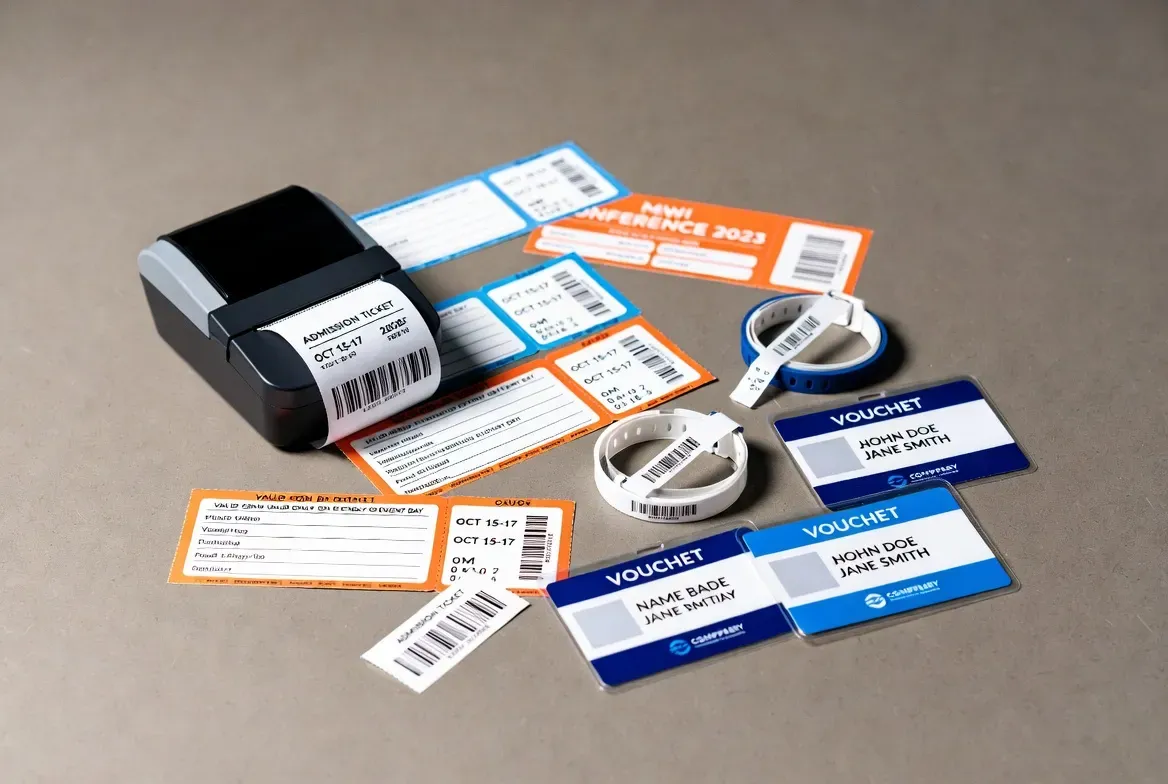
イベント&チケット迅速で柔軟なアクセスコントロール
使用例 会議、コンサート、見本市などの入場券、リストバンド、引換券、名札。
なぜ ミニサーマルプリンター が勝った:
- ポータブルキオスク: エントリーポイントには、かさばるステーションではなく、コンパクトな機器を配置することができる。
- キュー管理: ゲートでのオンデマンド印刷は、スループットを速め、混雑を緩和する。
- 一時的な配備: スタッフは、物流や電源配線を最小限に抑えながら、複数の短期印刷ポイントを設置することができる。
固定式のチケット・プリンターがメイン・ゲートに対応できるとしても ミニサーマルプリンター これにより、主催者は複数の分散印刷ポイントを安価かつ迅速に配置することができる。
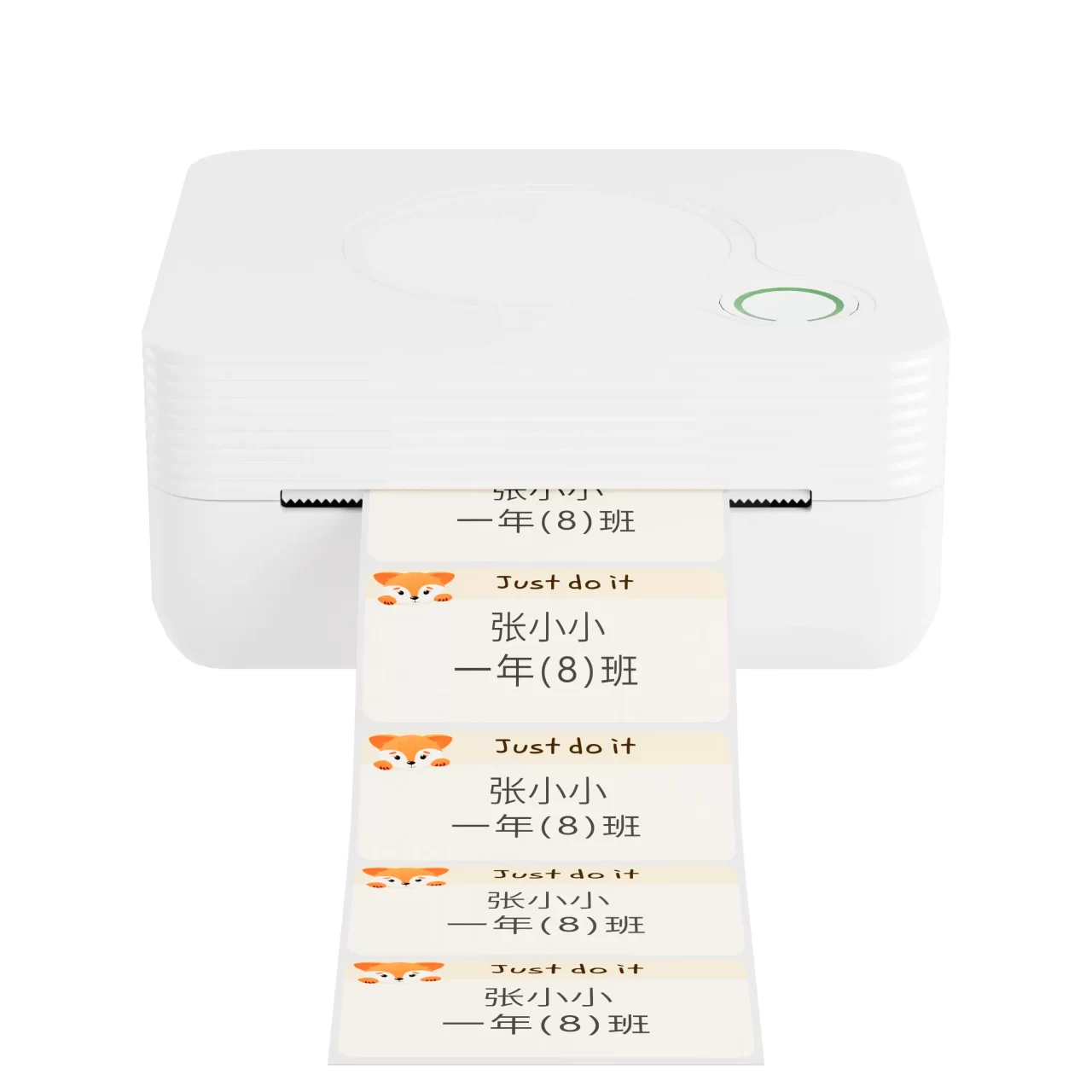
教育&クリエイティブプログラム教室とワークショップツール
使用例 アクティビティラベル、生徒バッジ、クラフトプリント、学習教材、プロジェクト用クイックフォトプリント。
なぜ ミニサーマルプリンター が勝った:
- 子供に優しいフォームファクター: 小型で軽量なデバイスは、生徒や教師にとって扱いやすい。
- すぐに婚約する: その場で結果を印刷することで、生徒の参加を促し、実践的な学習をサポートする。
- メンテナンスの手間がかからない: インクカートリッジの交換が不要で、教師の技術的オーバーヘッドも最小限に抑えられる。
教室環境では ミニサーマルプリンター 完全なデスクトップ印刷を複数の部屋や遠足に持ち込むのと比べて、摩擦やコストを削減できる。
旅行、現地調査、モバイル・ドキュメンテーション
使用例 フィールドノート、標本へのタグ付け、旅行記、簡単な写真ラベル。
なぜ ミニサーマルプリンター が勝った:
- ポケットに入る便利さ: 研究者や旅行関係者は、ノートパソコンや大型プリンターを持ち運ぶことなく、観察結果を記録することができる。
- 遠隔地でのバッテリー駆動 電力が不足している場合、ミニ・デバイスがあれば確実な記録が可能になる。
- 軽量メディアとアクセサリー: ロールとラベルはコンパクトで、路上での物流を簡素化する。
標準的なプリンタは、多くの現場条件では実用的ではありません。 ミニサーマルプリンター は、機動性と低物流負担を目的として作られている。
ミニを選ぶ理由となる運用上の主な利点
デバイスを比較するときは、生のスペックだけでなく、運用上の指標に注目すること:
- 展開速度: より少ないケーブル、より少ない設定、より迅速なスタッフ導入。
- インフラコストの低減: カウンター、固定電源ポイント、専用マウントは不要。
- 消耗品の物流: より小さく、より軽いメディアロールは、モバイルストックの輸送および保管コストを削減します。
- ユーザーの採用: 直感的に操作できるハンドヘルドデバイスは、トレーニングの時間を短縮し、インシデントをサポートする。
- 一時的な使用に対する拡張性: 大規模な設備投資をすることなく、季節的な需要に応じてユニットを迅速に追加・撤去できる。
これらの利点は、トランザクションの高速化、サービスチケットの削減、プログラム全体のコスト削減など、測定可能な利点に変わります。
標準的なサーマルプリンタが正しい選択である場合
それでも標準ユニットが望ましいシナリオもある:
- 連続大量印刷: フルフィルメントセンターや高スループットのPOSレーン。
- 大判または高解像度のラベリング: 広い出荷ラベルまたは特殊な工業用タグ。
- 集中バッチ印刷: 安定したフットプリントが許容されるバックオフィスラベル生産。
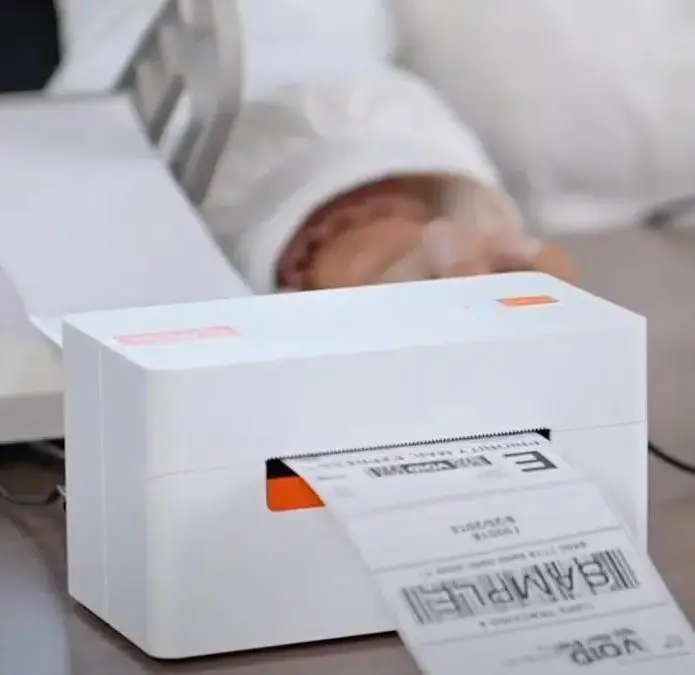
戦略的アプローチとは 両方使う 需要の高いバックエンド用の標準プリンターと ミニサーマルプリンター モバイル・エッジ
B2B導入のための実践的な購入検討事項
- デューティサイクルをバッテリー寿命に合わせる: 実際のワークフローで、チャージごとのプリント枚数を確認する。
- 接続性とSDKのチェック BluetoothとモバイルSDKのサポートは、現場での統合に不可欠です。
- 耐久性を評価する: 現場作業員や子供が使用する場合は、ハウジングが強化されたモデルを選ぶこと。
- メディアのSKUを標準化する: ロール幅とコアサイズを限定し、調達を簡素化。
- 規模を拡大する前のパイロット: ファーストスキャン率、再印刷率、ユーザー満足度を測定するための小規模な試験運用を行う。
結論
A ミニサーマルプリンター は、単に標準的なユニットを小型化しただけではありません。印刷ニーズが分散していたり、断続的であったり、モバイルであったりする場合、ミニ・フォーム・ファクターは摩擦、コスト、複雑さを軽減する。B2Bのバイヤーにとって、現実的な選択は、タスクに適したツールを導入することである。モビリティと迅速な導入が重要な場合にはミニ・デバイスを使用し、集中化された大量業務には大型プリンターを確保する。このバランスの取れたアプローチは、総所有コストを最適化し、ビジネス全体のサービス・パフォーマンスを向上させる。