A thermal transfer printer is widely used for printing product labels, barcodes, shipping labels, asset tags, and other identification information across different industries. It uses heat to transfer ink from a ribbon onto a label surface, producing clear, durable prints that can withstand handling, storage, and transportation.
For businesses that require reliable product identification and long-lasting labels, thermal transfer printing offers a practical solution. In this guide, we will explain how thermal transfer printers work, their common applications, compatible materials, and what buyers should consider when choosing a printer.
1. What Is a Thermal Transfer Printer?
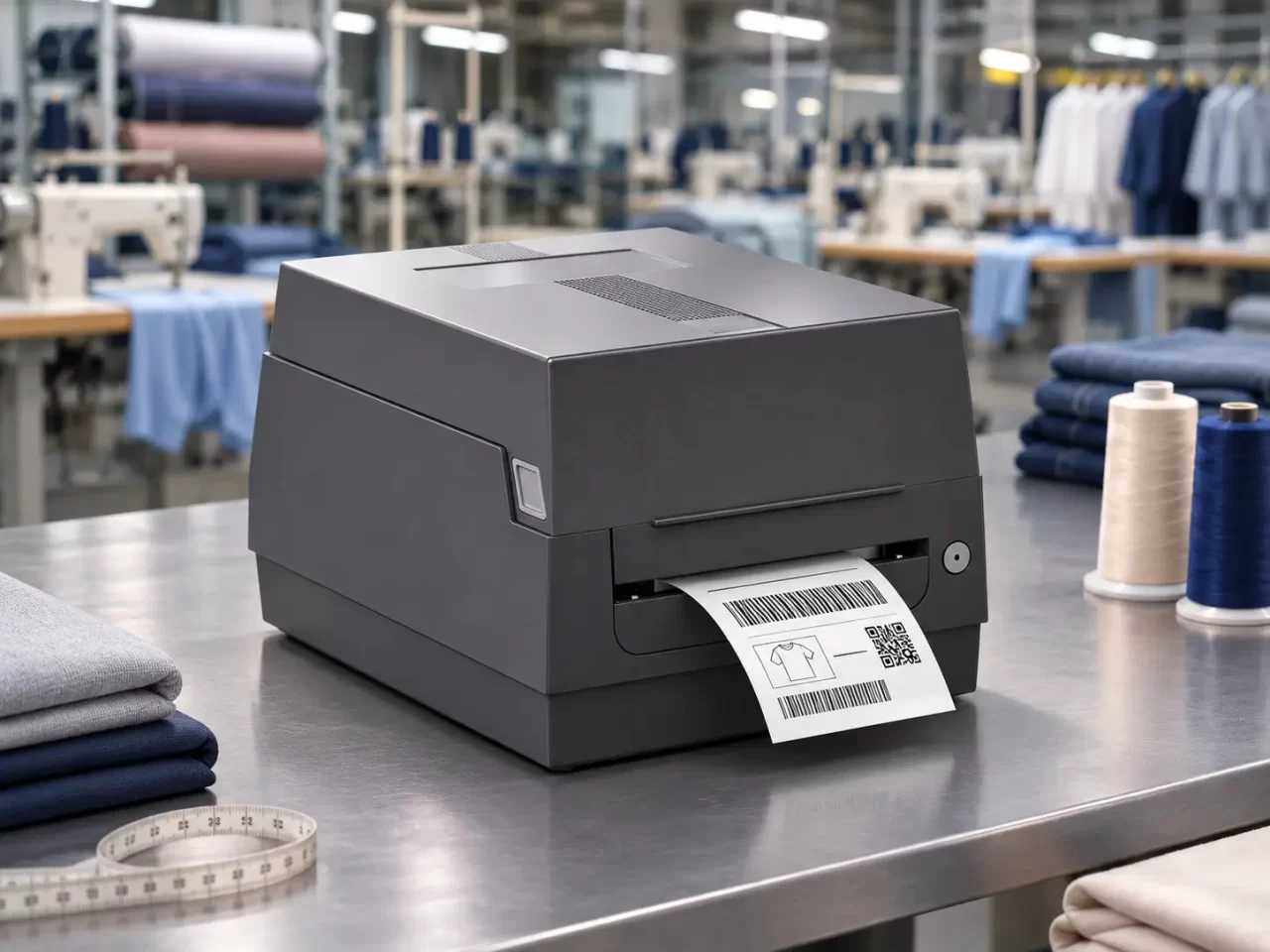
A thermal transfer printer is a type of label printer that uses heat and a thermal transfer ribbon to print text, barcodes, logos, and graphics onto various label materials.
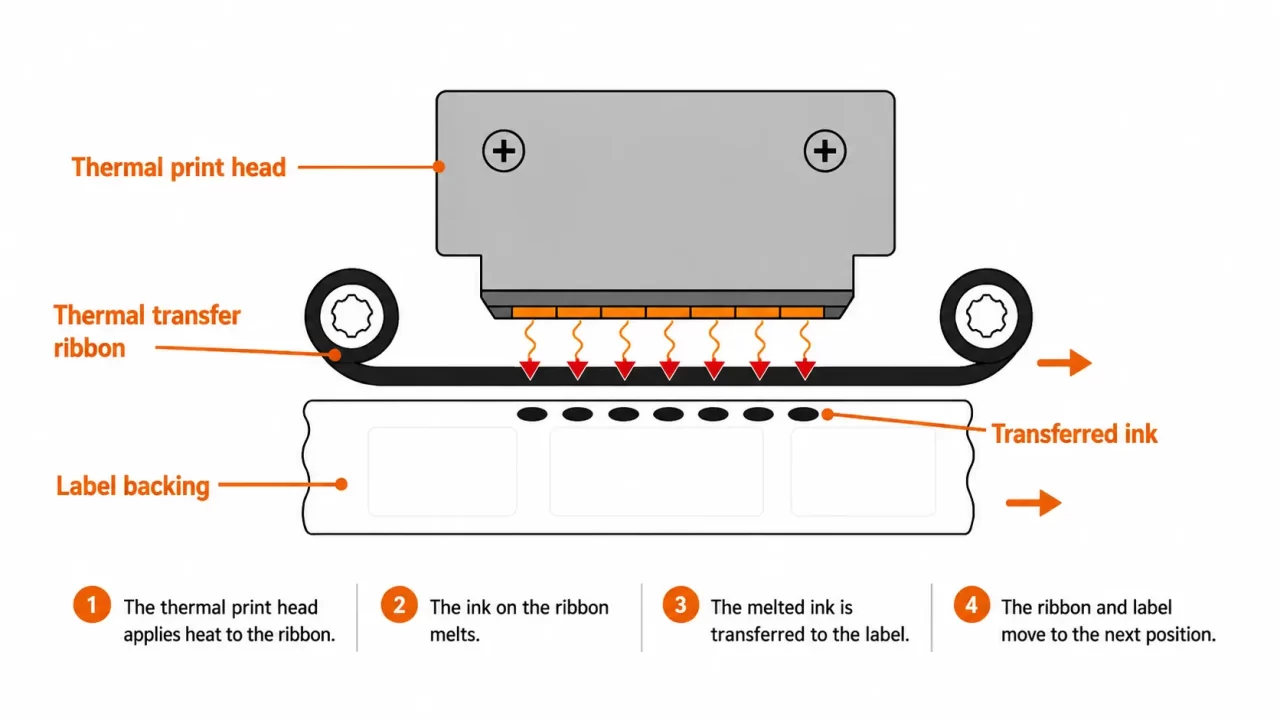
Unlike printers that apply ink directly from cartridges, thermal transfer printers use a heated printhead to melt the ink coating on a ribbon. The ink is then transferred onto the label, creating sharp and long-lasting images.
This printing method is particularly suitable for businesses that need durable labels for product identification, inventory management, packaging, and logistics operations.
2. How Does a Thermal Transfer Printer Work?
Thermal transfer printing works through the interaction of three main components: a thermal printhead, a transfer ribbon, and a label material.
The printing process generally follows these steps:
- Ribbon and Label Feeding: The printer feeds the label material and thermal transfer ribbon through the printing mechanism.
- Heat Application: The thermal printhead generates controlled heat according to the digital print data.
- Ink Transfer: Heat activates the ink coating on the ribbon, transferring it onto the label surface.
- Image Formation: The transferred ink forms text, barcodes, and graphics on the label.
- Label Output: The finished label is fed out for application to products, packages, or other items.
The print quality depends on factors such as printhead resolution, printing speed, temperature settings, ribbon compatibility, and label material.
3. What Is a Thermal Transfer Printer Used For?
Thermal transfer printers are used in many industries where clear, durable, and scannable labels are essential. Their ability to print variable information makes them suitable for both small businesses and large-scale manufacturing operations.
К числу типичных областей применения относятся:
1. Product Labeling
Manufacturers use thermal transfer printers to print product names, specifications, model numbers, batch numbers, and brand information. These labels help identify products and support traceability throughout the supply chain.
2. Warehouse and Inventory Management
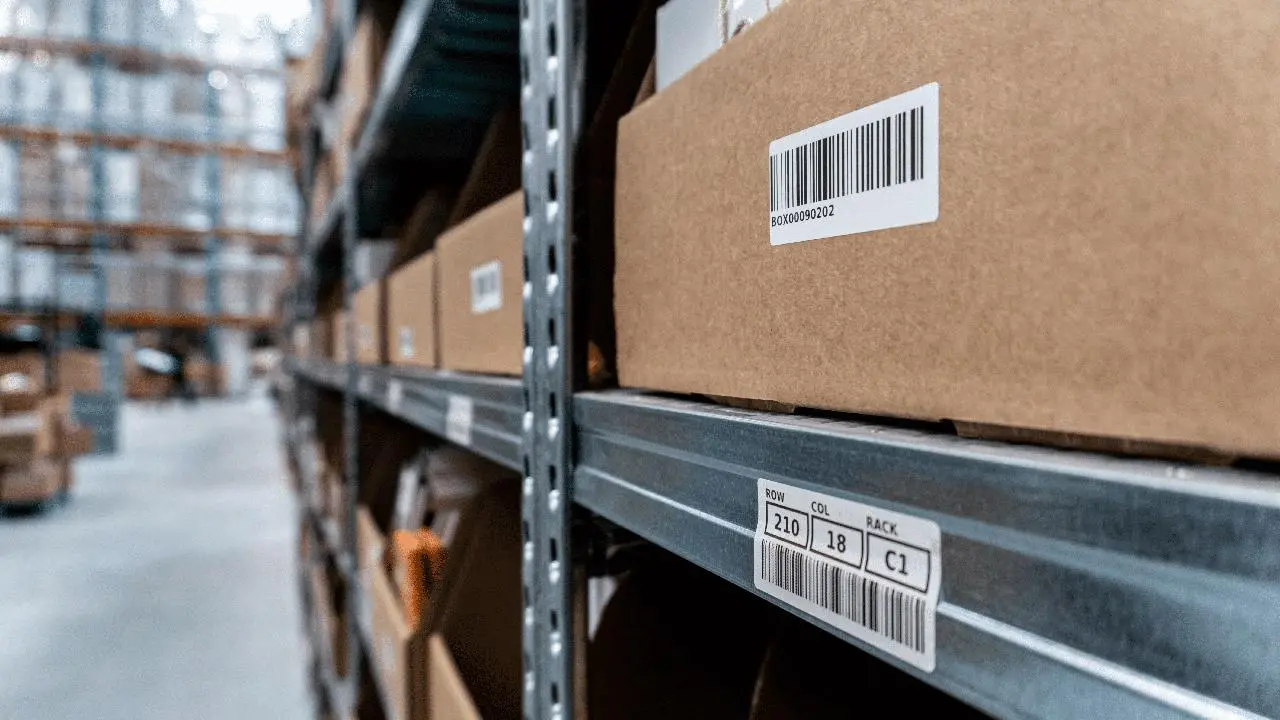
Warehouses use thermal transfer printers to produce barcode labels, SKU labels, and inventory identification tags. These labels help businesses track stock, organize storage locations, and improve inventory accuracy.
3. Shipping and Logistics
Shipping companies and distributors use thermal transfer printing for package identification, tracking numbers, and shipping labels. Durable prints help ensure that important information remains readable during transportation.
4. Retail and Commercial Applications
Retailers use thermal transfer printers for price labels, product tags, shelf labels, and barcode stickers. They support product identification and daily retail operations.
5. Healthcare and Laboratory Applications
Hospitals, laboratories, and medical suppliers use thermal transfer labels for equipment identification, sample tracking, and medical inventory management. Depending on the label and ribbon combination, these labels can meet different durability requirements.
6. Manufacturing and Industrial Applications
Factories use thermal transfer printers to produce component labels, electrical identification tags, equipment labels, and serial number labels. These applications often require labels that remain readable under demanding working conditions.
4. What Materials Can a Thermal Transfer Printer Print On?
One of the main advantages of thermal transfer printing is its compatibility with different label materials. By selecting the appropriate ribbon and label substrate, businesses can produce labels for different products, environments, and applications.
Common materials include:
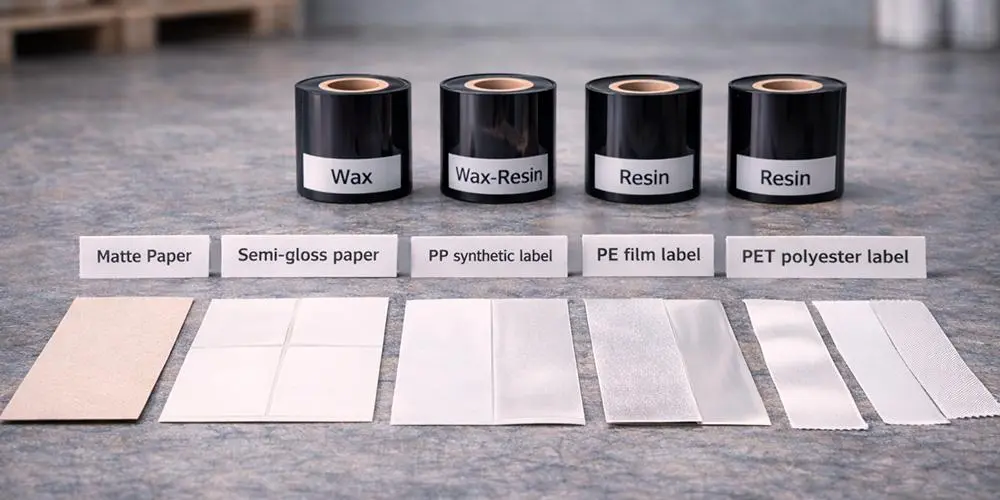
- Paper Labels: Suitable for general product labels, shipping labels, carton identification, and retail barcodes.
- Coated Paper Labels: Provide a smoother printing surface and are suitable for applications requiring clearer text and sharper barcodes.
- PET Labels: Offer good durability and resistance to moisture, making them suitable for industrial and product identification labels.
- PP Labels: Flexible and moisture-resistant, commonly used for packaging, bottles, and consumer product labeling.
- PVC Labels: Suitable for certain industrial identification and specialty labeling applications.
The choice of material should depend on the intended application, environmental conditions, required label lifespan, and ribbon type. For example, paper labels are suitable for many everyday applications, while synthetic materials are often preferred when greater durability is required.
5. Thermal Transfer Printer vs. Direct Thermal Printer: What Is the Difference?
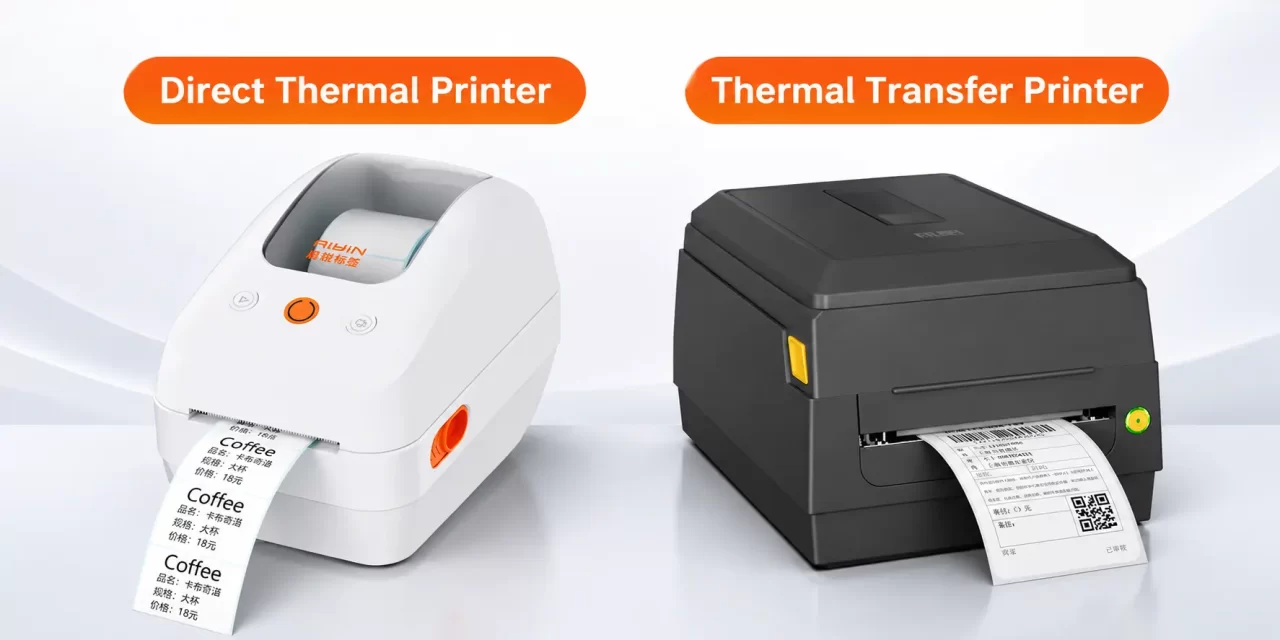
Thermal transfer and direct thermal printing are two common printing technologies used for label production. Although both use heat, they differ in how images are created and how long the printed information typically lasts.
| Сравнение | Термотрансфер | Прямое тепло |
|---|---|---|
| Метод печати | Transfers ink from a ribbon | Uses heat-sensitive label material |
| Ribbon Required | Да | Нет |
| Label Materials | Paper and synthetic materials | Special thermal paper |
| Print Durability | Generally longer-lasting | Generally shorter-lasting |
| Resistance | Depends on ribbon and label combination | More sensitive to heat, light, and environmental conditions |
| Common Applications | Product labels, asset tags, industrial labels | Receipts, short-term shipping labels, temporary labels |
Какой из них выбрать?
Thermal transfer printing is a better choice when labels need to remain readable for extended periods or require greater resistance to handling and environmental exposure.
Direct thermal printing is suitable for applications where labels are used for shorter periods and printing simplicity is a priority, such as receipts and certain shipping labels.
Both technologies have their advantages. The right choice depends on label lifespan, printing volume, operating environment, and total printing costs.
6. How to Choose the Right Thermal Transfer Printer for Your Business?
Choosing the right thermal transfer printer requires evaluating your actual printing requirements, label specifications, and business operations. For wholesalers, distributors, and commercial buyers, the following factors are particularly important.
1. Print Resolution
Print resolution affects the clarity of text, graphics, and barcodes. Common options include 203 dpi, 300 dpi, and 600 dpi. Higher resolution is particularly useful for small text, detailed graphics, and compact barcodes.
2. Printing Speed
Consider how many labels your business needs to print daily. High-volume manufacturing and warehouse operations may require faster printing speeds to maintain productivity.
3. Printing Width and Label Size
Check the maximum printing width and supported label dimensions. The printer should accommodate your required label sizes and formats.
4. Ribbon and Media Compatibility
Make sure the printer supports the ribbon types and label materials required for your applications. Wax, wax-resin, and resin ribbons offer different printing characteristics.
5. Connectivity and Compatibility
USB, Ethernet, and other connectivity options can affect how easily the printer integrates with existing computers, warehouse systems, and business software.
6. Long-Term Operating Costs
Consider the cost of ribbons, label materials, replacement printheads, and maintenance. A printer with suitable specifications can help reduce operating costs over time.
For buyers sourcing a оптовый термотрансферный принтер, comparing these specifications across different models helps identify equipment that matches their business requirements and purchasing budget.
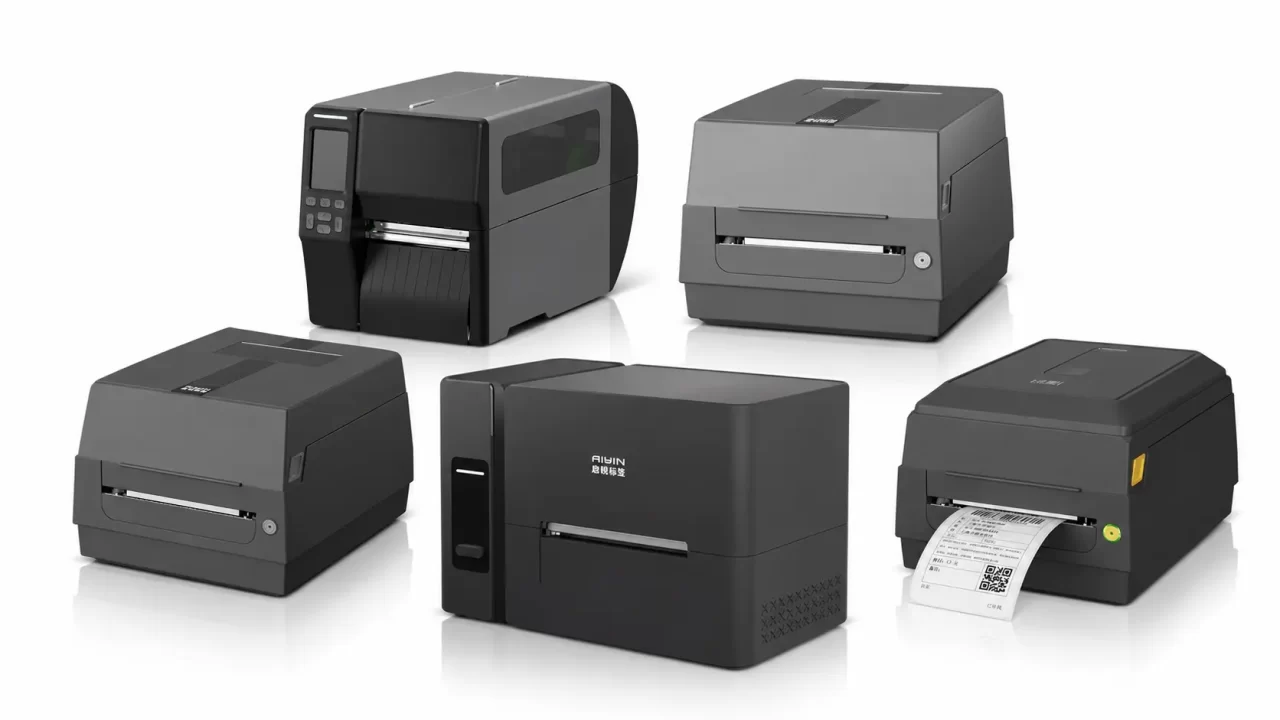
7. Why Choose a Reliable Thermal Transfer Printer Manufacturer?
Choosing the right equipment is only part of a successful purchasing decision. Working with a reliable manufacturer also helps ensure consistent product quality, technical support, and long-term supply stability.
When evaluating a thermal transfer printer manufacturer, B2B buyers should pay attention to several key aspects:
- Product Range: A manufacturer with multiple printer models can better support different printing volumes, label sizes, and application requirements.
- Quality Control: Consistent inspection and testing help ensure reliable printing performance and product quality.
- OEM and Customization: Flexible OEM services can support customized branding, product configurations, packaging, and other business requirements.
- Technical Support: Professional assistance with printer installation, operation, and troubleshooting helps reduce operational difficulties.
- Supply Capacity: Stable production capabilities and efficient order fulfillment are important for wholesalers, distributors, and long-term business partners.
A dependable manufacturing partner can help businesses source suitable printing equipment, maintain consistent supply, and develop solutions for different markets and customer requirements.
Заключение
Thermal transfer printers play an important role in product labeling, barcode printing, warehouse management, logistics, and industrial identification. Their compatibility with different label materials and ability to produce durable prints make them a practical choice for businesses across multiple industries.
Understanding printing technology, application requirements, and equipment specifications is essential when selecting the right printer. Working with an experienced supplier can further support reliable product sourcing and long-term business growth.