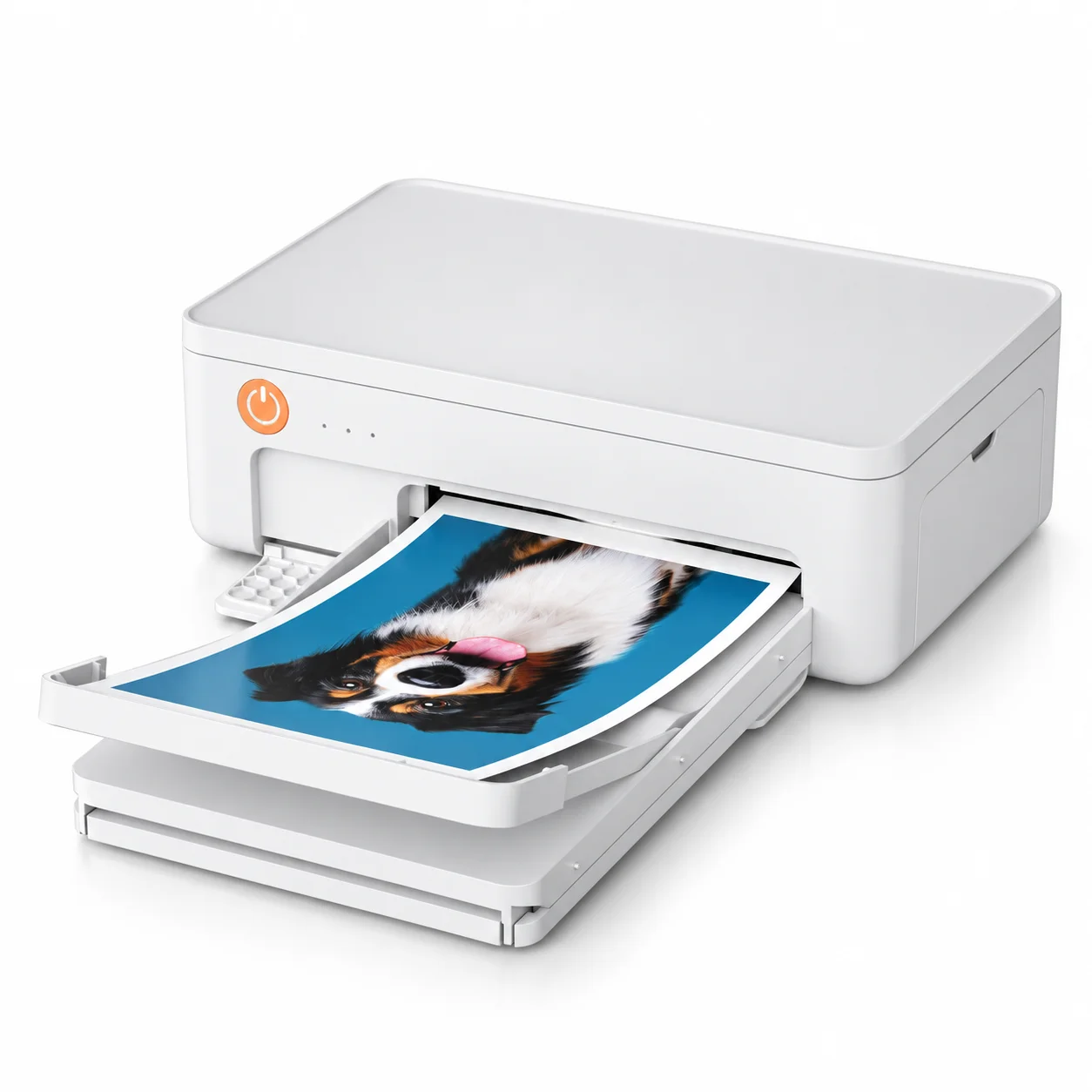
In modern industries, accurate identification, product tracking, and efficient information management have become essential for businesses worldwide. From manufacturing plants and warehouses to hospitals, retail stores, and food production facilities, companies rely on reliable labeling systems to improve operational efficiency and maintain product traceability.
Among different printing technologies, thermal transfer printing has become one of the most widely adopted solutions for professional barcode and label applications. By using heat to transfer ink from a ribbon onto various label materials, thermal transfer printers create sharp, durable, and long-lasting prints that can withstand challenging environments.
Unlike direct thermal printers that depend on heat-sensitive materials, thermal transfer printers offer greater flexibility and durability. They can print on paper labels, synthetic materials, polyester films, and specialty media, making them suitable for industries that require long-term readability and reliable performance.
What Is a Thermal Transfer Printer?
A thermal transfer printer is a professional label printing device that uses a heated printhead and thermal transfer ribbon to create high-quality images, text, and barcodes. During printing, heat from the printhead melts the ink coating on the ribbon and transfers it onto the label surface, producing precise and durable results.
A complete thermal transfer printing system usually includes four key components:
- Printhead: Provides controlled heat to transfer images and text accurately.
- Thermal transfer ribbon: Available in wax, wax-resin, and resin types for different applications.
- Label media: Includes paper, PET, PP, polyester, and other specialty materials.
- Printing software and control system: Manages label design, printing speed, connectivity, and data management.
The biggest advantage of thermal transfer printing is its excellent durability. Depending on the ribbon and label material selected, printed labels can resist moisture, chemicals, heat, abrasion, and UV exposure, making them ideal for demanding industrial environments.
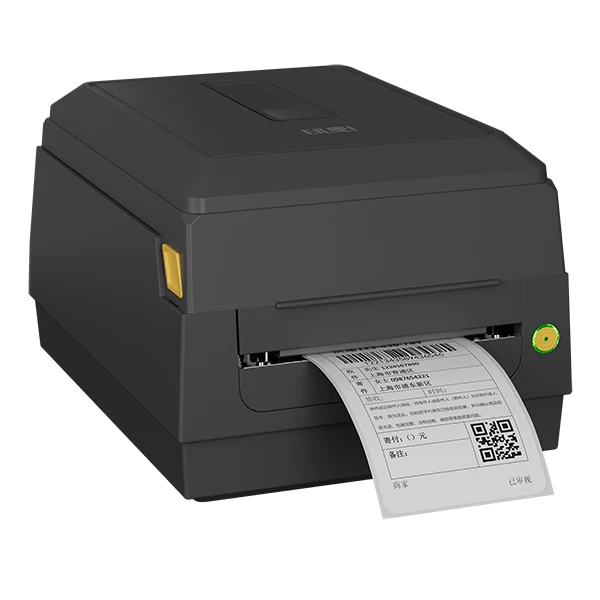
Manufacturing Industry: Improving Product Identification and Traceability
Manufacturing is one of the largest application areas for thermal transfer printers. Modern factories need reliable labeling systems to identify products, manage production processes, and track components throughout the entire supply chain.
From automotive manufacturing and electronics assembly to machinery production and consumer goods manufacturing, product information must remain clear during production, transportation, storage, and final delivery. Thermal transfer printing ensures that important data stays readable even under harsh industrial conditions.
Common manufacturing applications include:
- Product identification labels
- Serial number and batch code printing
- Barcode and QR code labels
- Work-in-process (WIP) tracking
- Equipment maintenance labels
- Safety and warning labels
For industries such as automotive, electronics, and machinery, labels may need to withstand oil, solvents, temperature changes, and mechanical friction. Thermal transfer printers combined with resin ribbons and durable synthetic materials provide a reliable solution for these demanding applications.
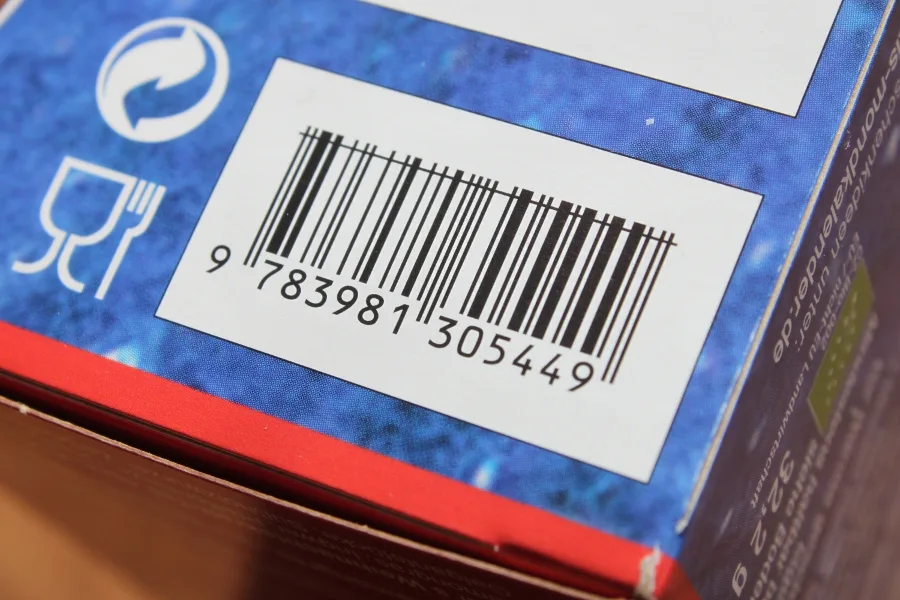
Logistics and Warehousing: Enhancing Supply Chain Efficiency
With the rapid growth of global trade and e-commerce, logistics companies handle millions of packages every day. Accurate barcode labeling has become critical for warehouse management, transportation tracking, and delivery operations.
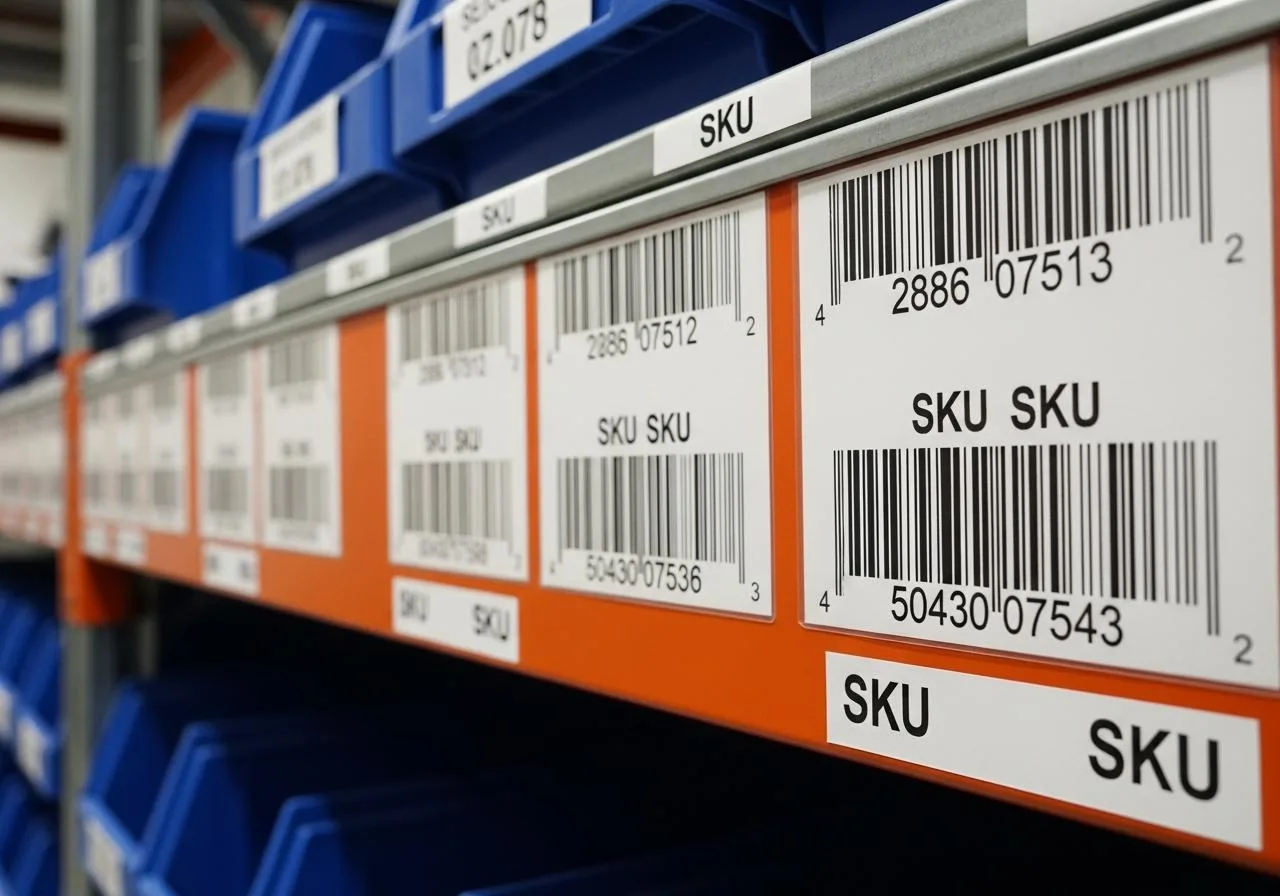
Thermal transfer printers provide stable and efficient printing solutions for shipping labels, inventory management, pallet identification, and warehouse location marking. Their high-quality barcode printing helps improve scanning accuracy and reduce operational errors.
Typical logistics and warehouse applications include:
- Shipping and courier labels
- Pallet and container labels
- Warehouse rack labels
- Inventory tracking labels
- Delivery identification tags
For distributors, fulfillment centers, and logistics service providers, purchasing Printer Transfer Termal Grosir allows businesses to achieve cost-effective labeling operations while maintaining consistent print quality for high-volume requirements.
Healthcare and Pharmaceutical Industry: Ensuring Accuracy and Patient Safety
In the healthcare and pharmaceutical industries, accurate labeling is directly connected to patient safety and regulatory compliance. Hospitals, laboratories, pharmacies, and medical manufacturers require labels that remain clear and readable throughout storage, transportation, and daily use.
Thermal transfer printers are widely used because they can produce durable labels that withstand exposure to disinfectants, alcohol, moisture, refrigeration, and frequent handling. This reliability makes them an important tool for healthcare identification and tracking systems.
Common healthcare applications include:
- Patient identification wristbands
- Prescription and medication labels
- Blood bag and specimen labels
- Laboratory sample identification
- Medical equipment tracking labels
- UDI (Unique Device Identification) labels
For medical devices and pharmaceutical products, labels often need to remain readable for years while meeting strict regulatory requirements. Thermal transfer printing with resin ribbons and synthetic materials provides excellent resistance against chemicals and environmental changes.

Food and Beverage Industry: Supporting Safety and Traceability
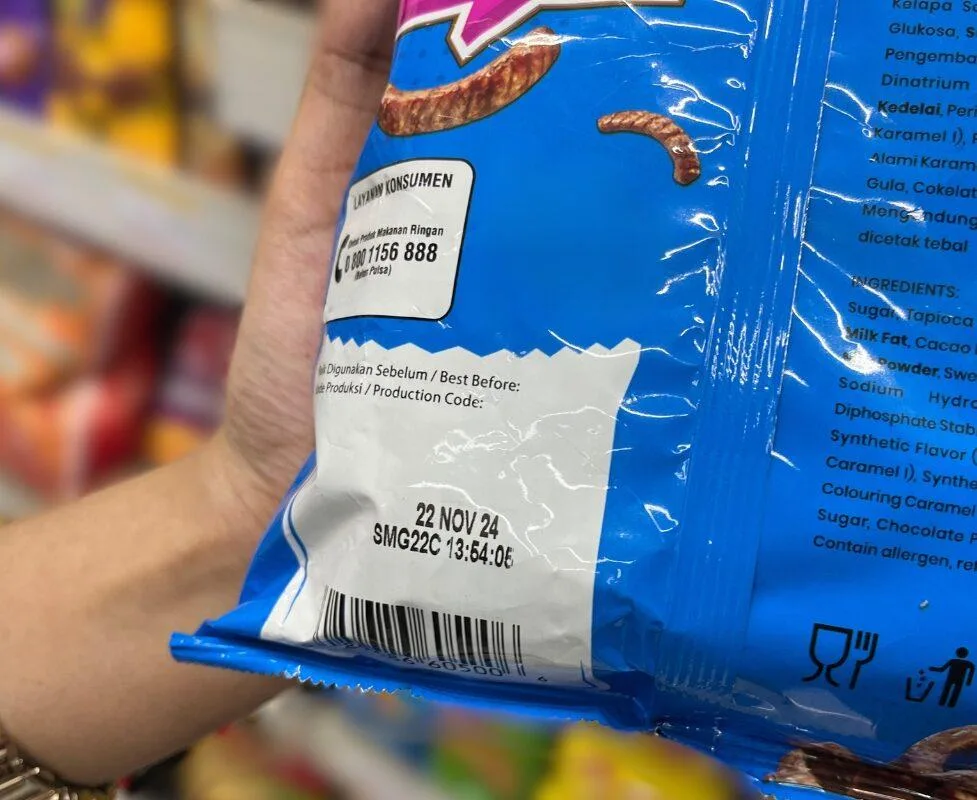
The food and beverage industry requires accurate labeling to provide essential product information, including production dates, expiration dates, ingredients, and batch numbers. Clear and reliable labels help companies comply with food safety regulations while improving consumer confidence.
Thermal transfer printers are especially suitable for food packaging applications because printed information can remain visible in challenging conditions such as refrigeration, freezing, humidity, and transportation.
Typical food and beverage applications include:
- Production date and expiration date printing
- Batch and lot number labels
- Ingredient and nutrition information labels
- Packaging identification labels
- Fresh food price-weight labels
As food manufacturers increasingly adopt sustainable packaging materials, thermal transfer technology continues to evolve with improved ribbons and label materials that provide strong print adhesion while supporting environmentally friendly packaging solutions.
Retail and Apparel Industry: Improving Inventory Management
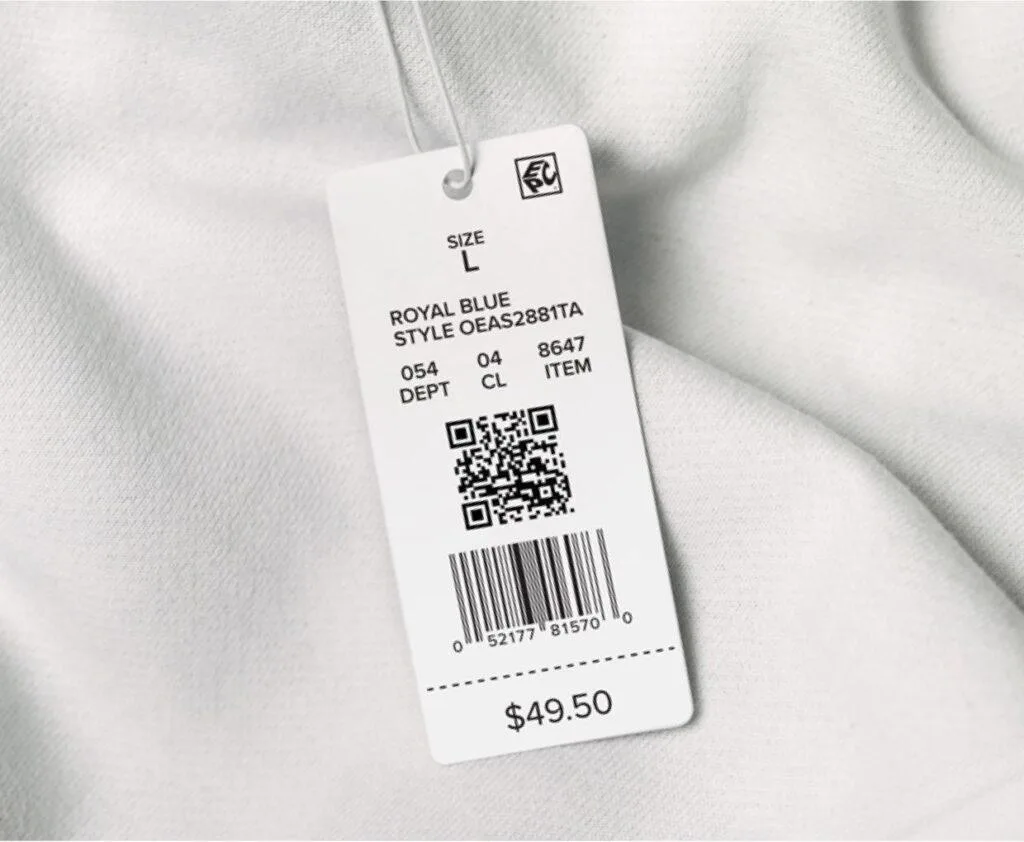
Retail businesses and apparel brands rely on efficient labeling systems to manage products from manufacturing facilities to store shelves. Thermal transfer printers provide flexible on-demand printing solutions for price tags, product labels, and inventory management.
Compared with pre-printed labels, on-demand thermal transfer printing allows businesses to update product information quickly, reduce waste, and improve operational flexibility.
Common retail and apparel applications include:
- Price tags and promotional labels
- Clothing hang tags
- Wash-care labels
- Size and color identification labels
- Inventory tracking labels
- RFID-related barcode labels
For garment manufacturers, thermal transfer printers can print directly on polyester, nylon, and fabric care labels. These labels remain readable after repeated washing, making them essential for apparel production and global supply chains.
Chemical Industry: Meeting Strict Labeling Requirements
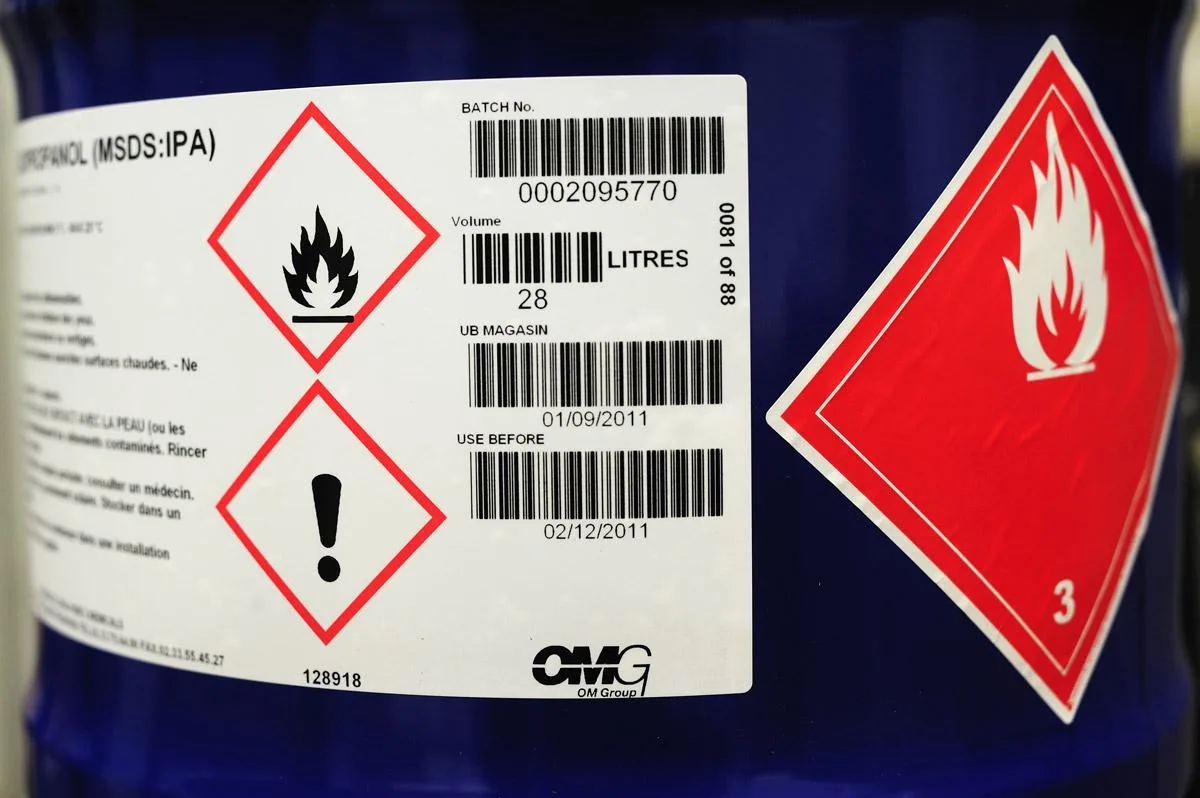
The chemical industry requires highly durable labels to identify hazardous materials, chemical containers, and industrial products. These labels must remain intact despite exposure to chemicals, outdoor environments, and extreme conditions.
Thermal transfer printers are an ideal choice for chemical labeling because they can work with durable resin ribbons and synthetic label materials such as PET and vinyl, creating labels with excellent resistance to solvents, abrasion, and moisture.
Common chemical industry applications include:
- GHS hazard labels
- Chemical container identification
- Safety warning labels
- Laboratory chemical labels
- Industrial compliance labels
High-resolution thermal transfer printing ensures that important safety symbols, warning information, and compliance data remain clear and readable throughout the product lifecycle.
Electronics Industry: Supporting Precision Manufacturing
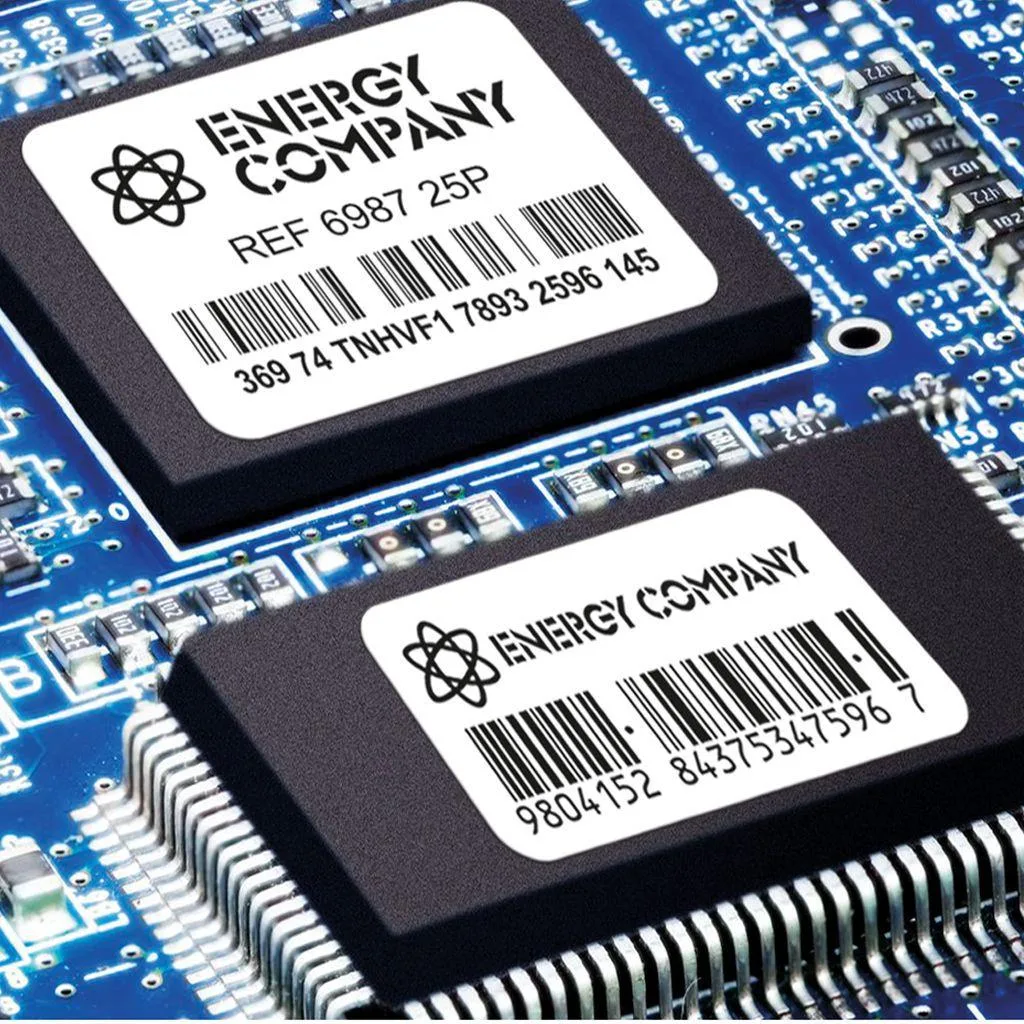
The electronics industry requires extremely precise identification solutions due to increasingly smaller components and more complex production processes. Labels used for circuit boards, connectors, and electronic parts must provide accurate information within limited spaces.
Thermal transfer printers with high-resolution capabilities are commonly used to print small barcodes, Data Matrix codes, and product tracking information. These labels support quality control, production management, and after-sales service tracking.
Typical electronics applications include:
- PCB identification labels
- Component tracking labels
- Serial number labels
- Warranty tracking labels
- Manufacturing process labels
With the continuous development of smart manufacturing and Industry 4.0, thermal transfer printing plays an important role in connecting physical products with digital information systems.
Key Benefits of Thermal Transfer Printing
Thermal transfer printing has become a preferred labeling solution for many industries because it combines excellent print quality, long-lasting durability, and wide material compatibility. Whether used in manufacturing, logistics, healthcare, or retail, thermal transfer technology helps businesses maintain accurate identification and improve operational efficiency.
Superior Durability
One of the biggest advantages of thermal transfer printing is its ability to produce labels that withstand harsh environments. Depending on the selected ribbon and media, printed labels can resist moisture, chemicals, scratches, heat, and UV exposure.
Excellent Print Quality and Accuracy
Thermal transfer printers deliver sharp text, clear barcodes, and high-resolution graphics. With advanced printing technology, many models support resolutions from 203 dpi to 600 dpi, allowing businesses to print detailed information even on small labels.
High-quality printing improves barcode scanning accuracy, reduces operational mistakes, and supports reliable product tracking throughout the supply chain.
Wide Material Compatibility
Unlike traditional printing methods, thermal transfer technology can print on a wide range of materials, including paper, PET, polypropylene, polyester, synthetic films, and fabric labels.
This flexibility allows businesses to select the most suitable label material based on their application environment, whether for indoor warehouse labels, outdoor equipment identification, or industrial compliance marking.
Cost-Effective On-Demand Printing
Thermal transfer printers allow businesses to print labels whenever they are needed instead of ordering large quantities of pre-printed labels. This reduces inventory costs, minimizes waste, and provides greater flexibility for changing product information.
For wholesalers, distributors, and large-scale operations, investing in Printer Transfer Termal Grosir can help create efficient labeling systems while reducing long-term operating expenses.
How to Choose the Right Thermal Transfer Printer
Selecting the right thermal transfer printer depends on several factors, including printing volume, application environment, label material, and required print quality. Understanding these factors helps businesses choose equipment that delivers the best performance and return on investment.
Consider Printing Volume
For small businesses and retail applications, desktop thermal transfer printers are usually suitable due to their compact size and easy operation. For factories, warehouses, and logistics centers requiring continuous printing, industrial thermal transfer printers provide higher speed and stronger durability.
Select the Right Ribbon Type
Different applications require different ribbon materials:
- Wax ribbon: Suitable for general paper labels and standard shipping applications.
- Wax-resin ribbon: Provides better durability and is ideal for retail, logistics, and product identification.
- Resin ribbon: Designed for extreme conditions requiring resistance to chemicals, heat, and abrasion.
Choose Suitable Label Materials
The label material should match the working environment. Paper labels are suitable for everyday applications, while PET and synthetic materials are recommended for industries requiring stronger resistance.
Seorang profesional Thermal Transfer Printer Supplier can provide guidance on printer models, ribbon selection, label materials, and application solutions to ensure customers achieve reliable printing performance.
Future Trends of Thermal Transfer Printing
As industries continue to move toward automation and digital transformation, thermal transfer printing technology is also evolving. Future developments will focus on smarter systems, improved sustainability, and higher printing efficiency.
Kesimpulan
Thermal transfer printers have become an essential labeling solution across a wide range of industries, including manufacturing, logistics, healthcare, food and beverage, retail, chemicals, and electronics. Their durability, flexibility, and excellent print quality make them ideal for businesses that require reliable product identification and traceability.
As global supply chains become more complex and businesses continue to adopt automation, the demand for efficient labeling solutions will keep growing. Choosing the right thermal transfer printer system with support from an experienced supplier can help companies improve productivity, reduce costs, and maintain high-quality operations.
Tentang AiYin
AiYin adalah seorang profesional Thermal Transfer Printer Manufacturer specializing in the research, development, production, and supply of reliable barcode and label printing solutions for global businesses. With advanced manufacturing capabilities, strict quality control systems, and extensive industry experience, AiYin provides high-performance thermal transfer printers designed for manufacturing, logistics, retail, healthcare, and other professional applications.
Supported by professional engineering teams and efficient production processes, AiYin focuses on delivering stable performance, user-friendly operation, and cost-effective solutions for distributors, wholesalers, and brand partners worldwide. Whether you need reliable equipment for daily operations or large-scale procurement solutions, AiYin can provide professional support from product selection to after-sales service.