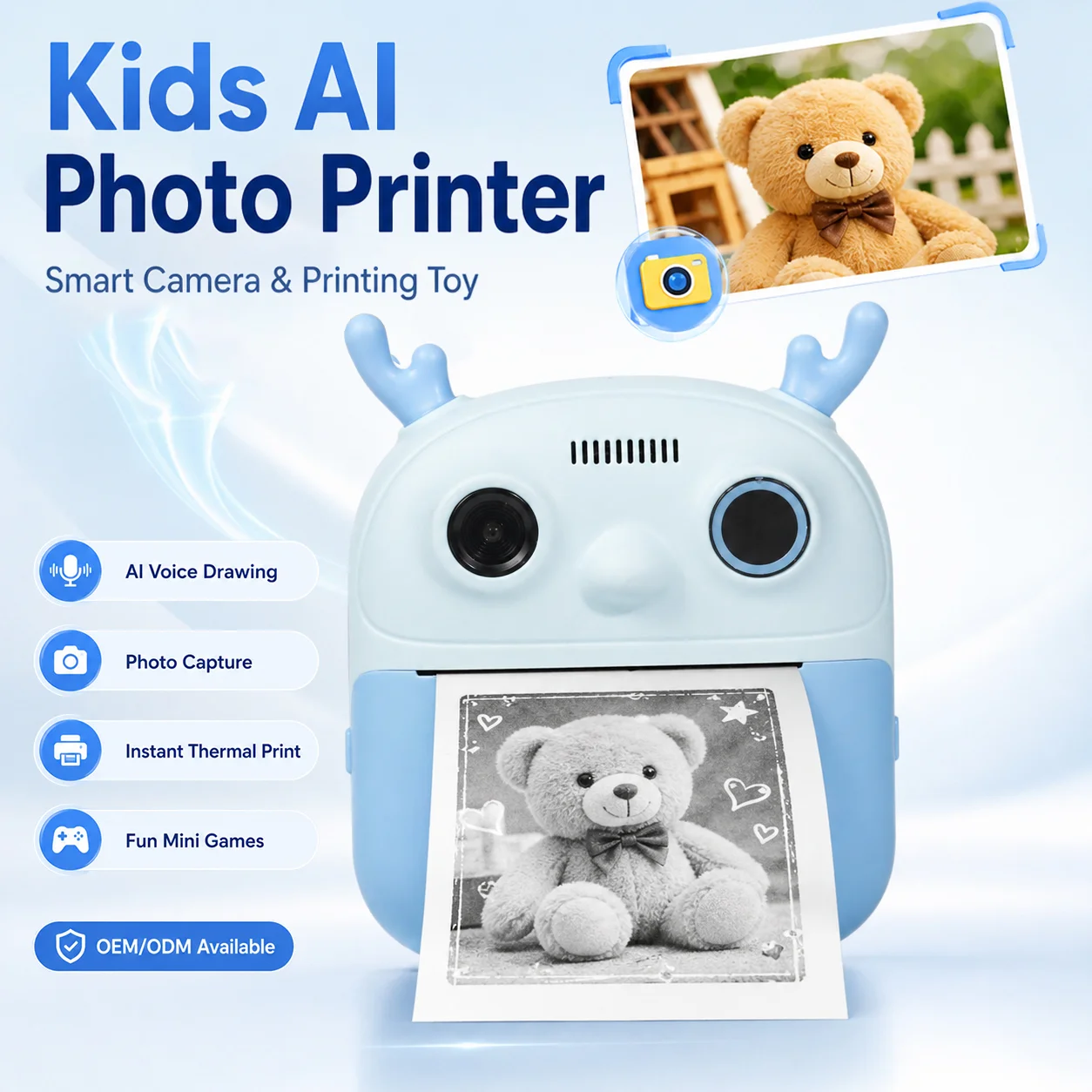
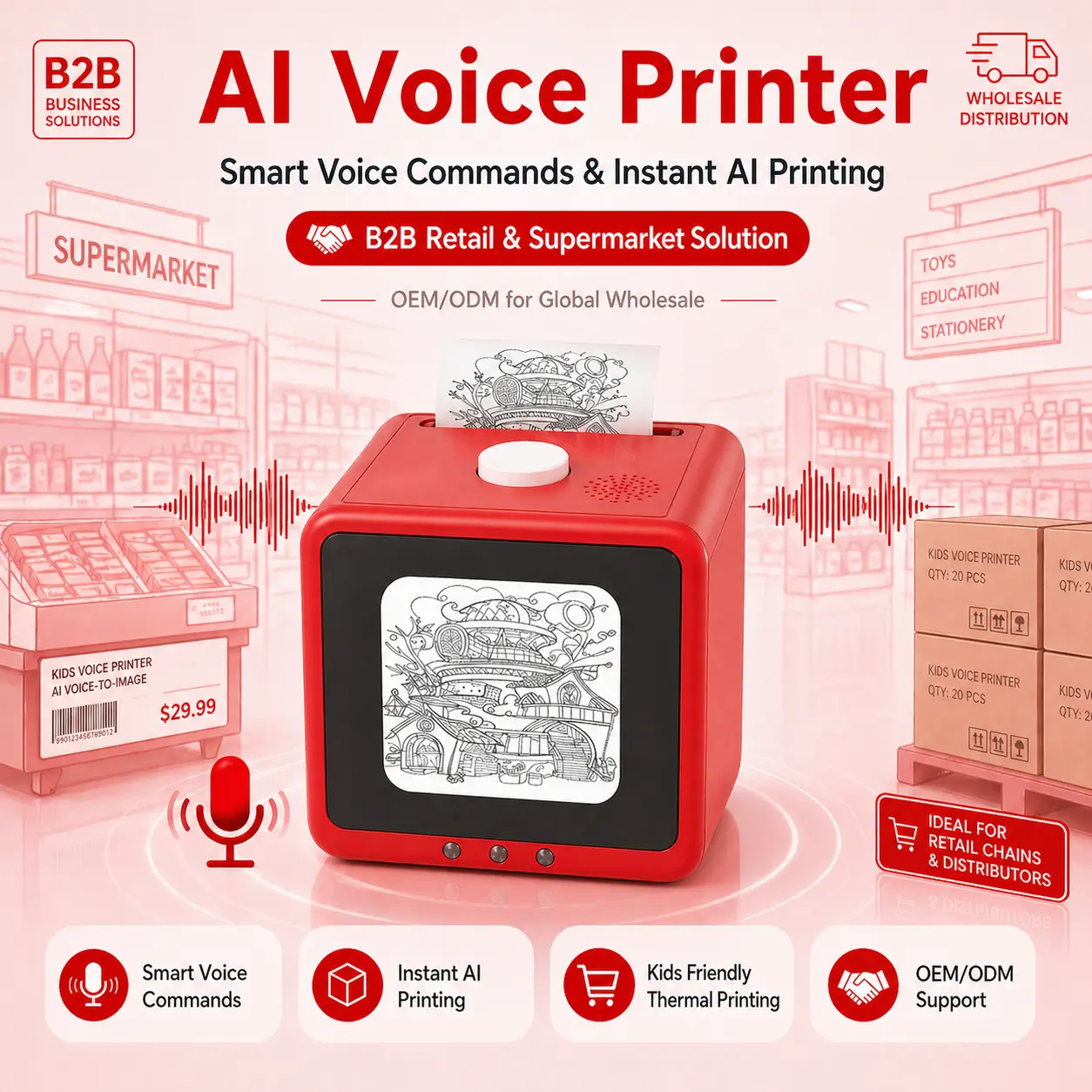
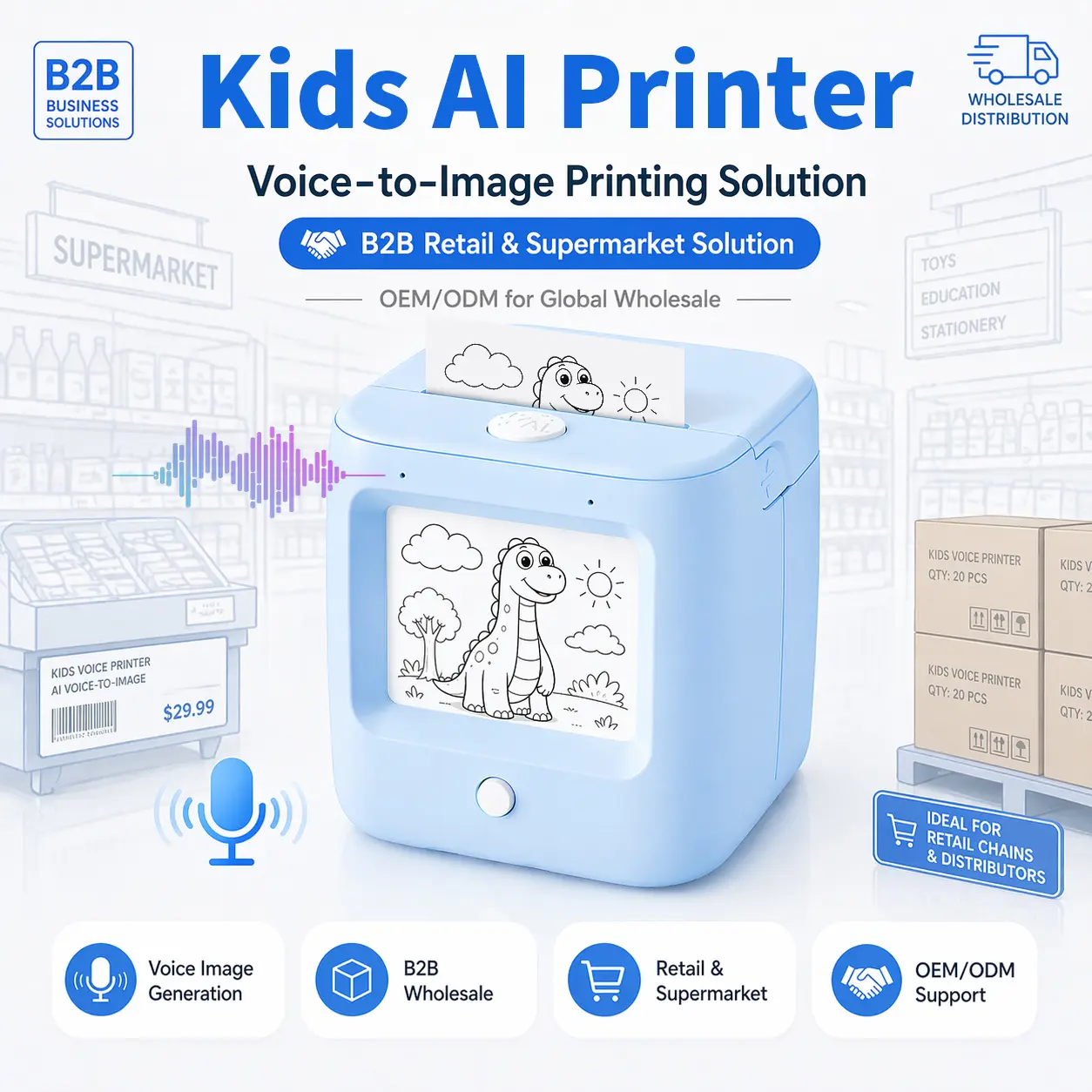
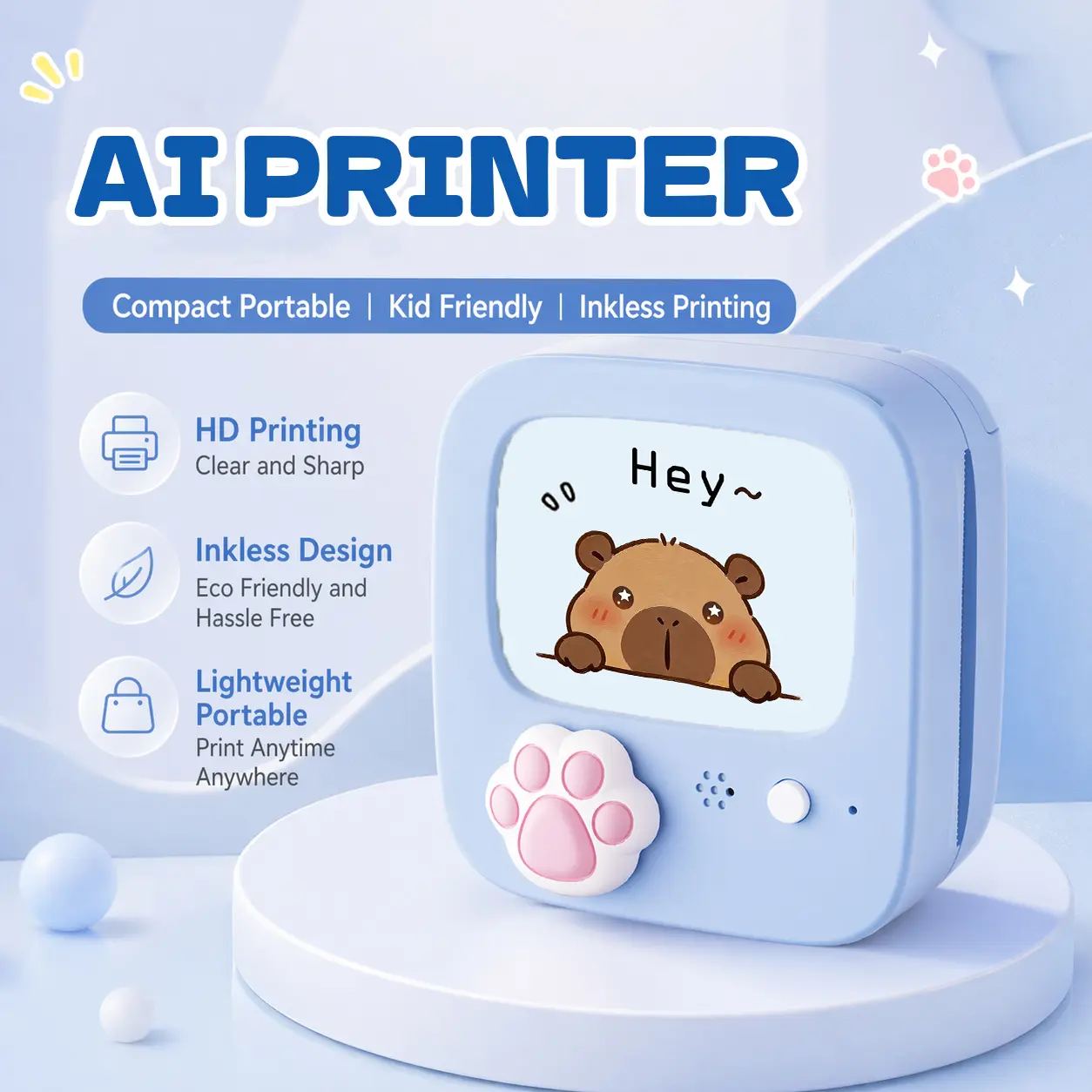
The mini thermal printer category is more than a niche gadget trend — it’s a practical, fast-growing product line that opens new routes to revenue for distributors. Compact, affordable, and highly demo-able, these devices meet demand across retail, e-commerce, education, and the creator economy.
As a professional manufacturer of mini thermal printers, I will discuss the market logic, business advantages, and supplier selection criteria for mini thermal printers.
Market Momentum: Real Demand, Diverse Buyers
Several structural shifts are driving the adoption of mini thermal printers:
- The rise of mobile commerce and social selling (live streams, pop-up shops) creates use cases for point-of-action printing.
- Growth of micro-entrepreneurs and home businesses means many sellers need low-cost, portable printing tools rather than heavy desktop equipment.
- Lifestyle and creative markets (journaling, scrapbooking, children’s education) create sizable C-end demand that converts well online and in retail.
For distributors, that mix of B2B and consumer demand reduces concentration risk and broadens go-to-market options.

Why Mini Thermal Printer Complement, Not Replace, Desktop Thermal Printer
A mini thermal printer is defined by portability and simplicity rather than raw throughput. That distinction creates complementary value:
- Portability & on-demand printing: battery power and wireless connectivity let users print at packing carts, market stalls, or by a livestream host.
- Low setup & low training cost: consumers and small teams can run mini devices straight out of the box with minimal IT.
- Impulse and gift potential: attractive designs and low ticket prices make mini printers impulse-buy-friendly, especially during seasonal pushes.
Distributors can position mini printers as the “edge” tool while continuing to sell desktop and industrial printers for centralized, high-volume needs.
Expanding Application Verticals You Can Serve
Adding mini thermal printer SKUs lets you address a wide range of verticals:
- E-commerce sellers — mobile label printing at packing stations or for pop-up fulfillment.
- Small retailers & food vendors — instant receipts and price tags at markets and events.
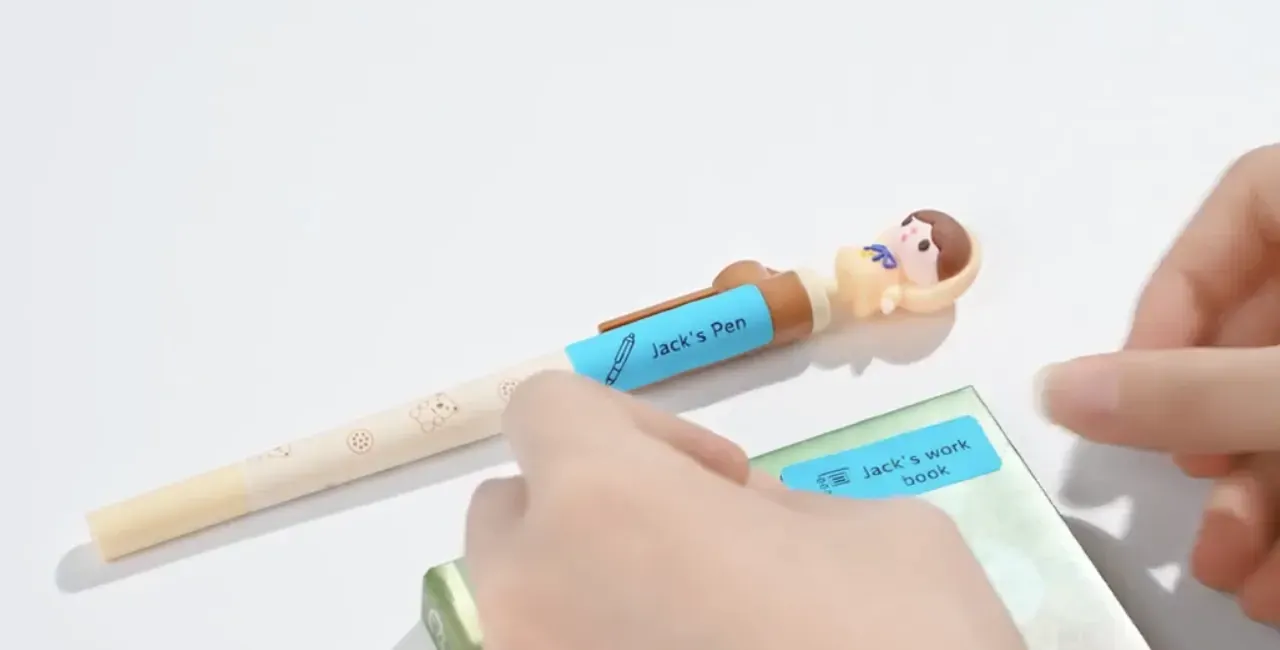
- Education & kids’ products — classroom aids, crafts, and early learning devices.
- Creators & hobbyists — journaling, planners, stickers, and small photo prints.
- Events & hospitality — badges, vouchers, and ad-hoc ticketing without fixed infrastructure.
Each vertical supports different accessory bundles (rolls, batteries, cases) that increase basket size and repeat purchases.
Commercial Advantages for Distributors
Why these devices are commercially attractive:
- Fast SKU turnover: low unit price and broad appeal drive volume sales.
- Recurring consumables: thermal paper, adhesive labels, and spare batteries generate steady repurchase business.
- Cross-sell and bundling: pair printers with media packs, carrying cases, or training packs to lift AOV (average order value).
- Private-label/OEM opportunity: many manufacturers offer OEM/ODM — enabling higher margins and exclusive SKUs.
- Low support overhead: no messy ink or complex consumables matching reduces return and warranty rates compared with inkjet printers.
For distributors focused on margin and operational simplicity, the mini category is an effective addition.
Low Barrier to Entry for Channels
Mini thermal printers are easy to integrate into existing e-commerce or retail assortments:
- Compact packaging and low shipping costs make global distribution cheaper than bulkier electronics.
- Minimal technical support required compared to full desktop printers (many consumer units are plug-and-play).
- Strong visual demo content (short videos of printing in seconds) performs well on marketplaces and social media, aiding conversion.
These characteristics reduce onboarding friction for new distributors and resellers.

What Distributors Should Demand from Suppliers
To avoid post-launch headaches, require vendors to meet the following:
- Stable firmware & responsive app ecosystem (iOS & Android SDKs where relevant).
- Consumable standardization — use standard roll widths and core sizes to avoid customer supply issues.
- Certifications & QC documentation — CE/FCC, RoHS, and batch QC reports for electrical and safety compliance.
- OEM/ODM flexibility — color, logo, packaging, and accessory options for private-label programs.
- Sample and pilot support — initial demo units and small pilot quantities for channel validation.
Also, check lead times and spare parts policies; consistent media supply is as important as the hardware itself.
Go-to-market & Merchandising Tips
Maximize sell-through with these practical tactics:
- Create starter bundles (printer + 3 rolls + spare battery) to simplify the first purchase.
- Produce short demo clips showing instant prints in real contexts (livestream checkout, pop-up stall).
- Offer B2B bundles for local retailers: multiple units + consumable discounts.
- Promote seasonal kits (back-to-school, holiday crafts) to boost impulse buys.
Invest modestly in content and bundled offers — mini printers sell best when buyers see them in action.
Conclusion
The mini thermal printer category presents distributors with a scalable, low-risk opportunity: a product that appeals to both consumers and small businesses, generates recurring consumable revenue, and is easy to demo and distribute. By choosing reliable suppliers, standardizing consumables, and packaging attractive bundles, distributors can quickly add a high-velocity SKU that complements existing printing lines and taps into new customer segments.
About Aiyin
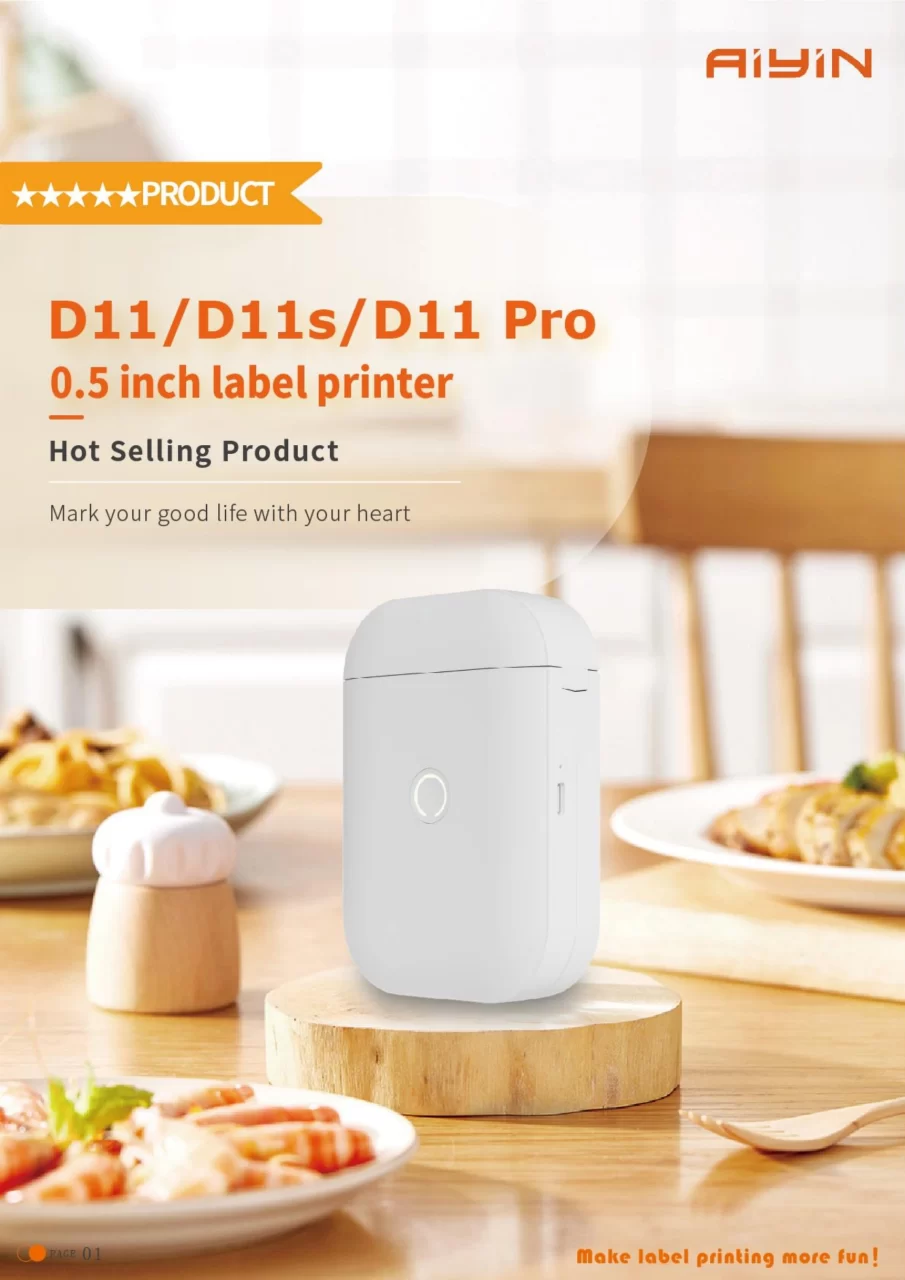
Aiyin is a professional thermal printer manufacturer, serving distributors, brand owners, and solution partners worldwide. With in-house production, strict QC systems, and mature supply-chain management, Aiyin ensures stable output, consistent quality, and reliable lead times for high-volume programs.
Our wholesale mini printers are very well-received in the market. And we support a full custom mini thermal printer solution, including hardware design, firmware, app integration, branding, packaging, and accessories, helping partners build differentiated, scalable printer lines with recurring consumables revenue.