EN
EN  FR
FR  DE
DE  RU
RU  ES
ES  PT
PT  JA
JA  KO
KO  ID
ID  NL
NL 
In the world of fast-paced retail, logistics, and home organizing, thermal printers have become a staple. They are fast, quiet, and—most importantly—they don’t require messy ink cartridges. However, a question frequently surfaces among new users: Can a thermal printer print on regular paper?
The short answer is no. You cannot simply load a roll of standard copier paper into a direct thermal printer and expect results.
Today, please allow Aiyin, a leading thermal printer manufacturer, to answer this question for you more deeply.
Why Regular Paper Cannot Be Printed in A Thermal Printer
Most people are accustomed to inkjet or laser printers, where the paper is merely a “landing pad” for liquid ink or powdered toner. In these systems, the printer provides the colorant.
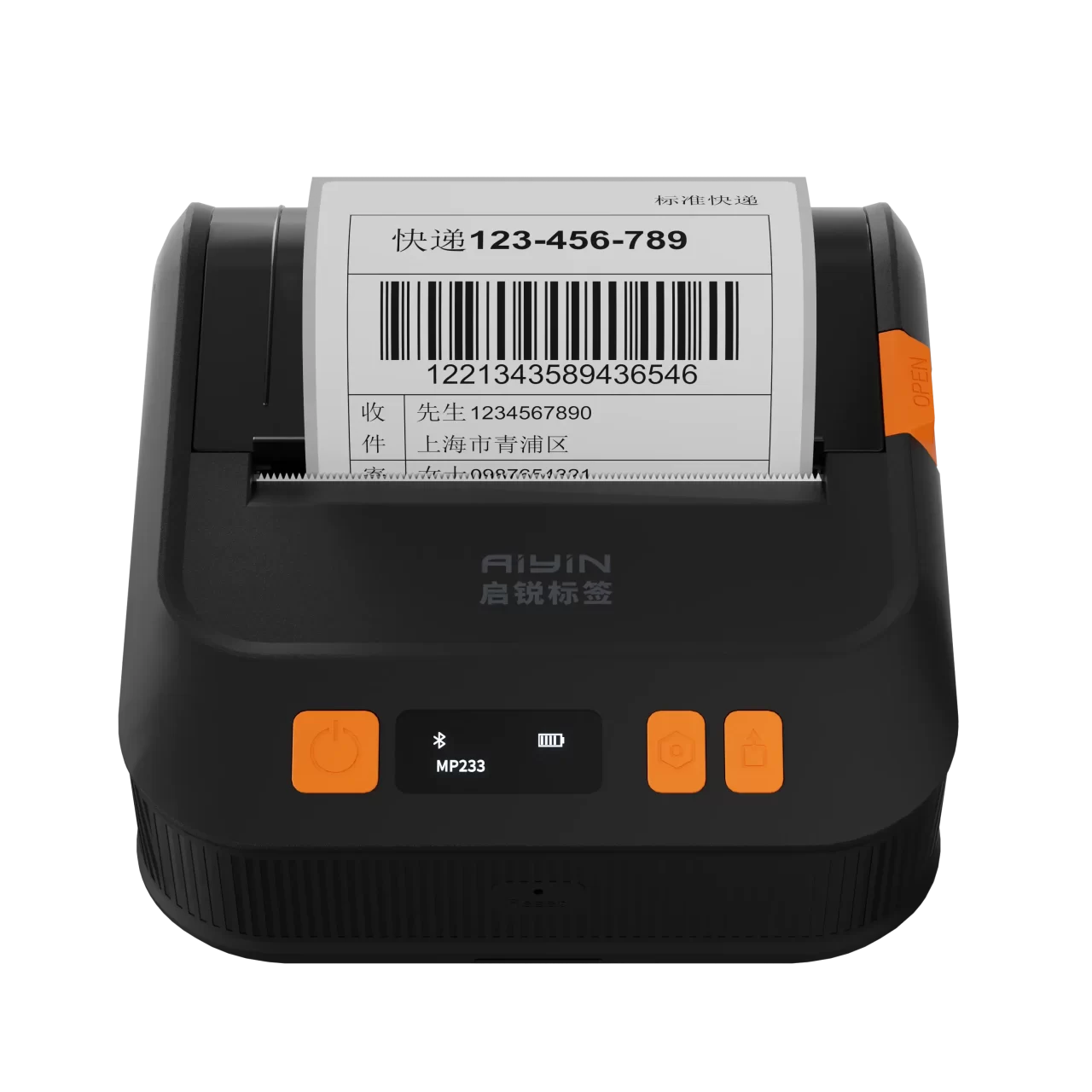
A thermal printer flips this logic on its head. In direct thermal printing, the “ink” is already inside the paper. When you attempt to use regular bond paper, there is no chemical reaction to trigger. The result? A blank page and, potentially, a damaged printer.
The Science of Thermal Printing
A thermal printhead consists of a long row of tiny resistive heating elements. When these elements heat up, they need to touch a surface that is “thermo-chromic”—meaning it changes color when exposed to heat. Regular paper is chemically inert to the temperatures produced by these machines.
What is Thermal Paper and Why is it Special?
To the naked eye, thermal paper looks like standard high-quality paper, perhaps with a slightly slicker finish. However, under a microscope, it is a sophisticated, multi-layered engineered product.
The layer architecture of thermal paper
- The Base Paper: Usually a high-quality wood-free paper.
- The Pre-coat Layer: It provides heat insulation so that the heat from the printhead doesn’t dissipate into the base paper.5 This ensures high-definition text and scan-ready barcodes.
- The Thermal Active Layer: This contains a mixture of leuco dyes and developers. When heat is applied, these components melt together, causing a chemical reaction that turns the dye from clear to black (or occasionally red/blue).
- The Topcoat (Optional): High-end thermal paper includes a protective layer to shield the image from oils, water, and friction.
| Feature | Regular Copier Paper | Professional Thermal Paper |
| Imaging Agent | None (Requires Ink/Toner) | Built-in Leuco Dyes |
| Surface Smoothness | Low (Abrasive) | High (Protective) |
| Heat Sensitivity | None | High (60-100°C Activation) |
| Common Use | Documents/Drafts | Receipts/Shipping Labels |
The Hidden Risk of Using Regular Paper
Using regular paper in a printer designed for thermal paper isn’t just ineffective; it is destructive.
Thermal printheads are precision instruments. Because thermal paper is designed to be exceptionally smooth, it glides over the printhead with minimal friction. Regular paper, by contrast, has a rough, fibrous surface. Running regular paper through a thermal machine is akin to running sandpaper across a delicate glass screen. It increases friction, causes the printhead to work harder (overheating), and can lead to “burnt pixels” on the head, which are expensive to replace.
Is Thermal Paper Waterproof?
A common concern for logistics managers is whether a thermal paper shipping label can survive a rainstorm.
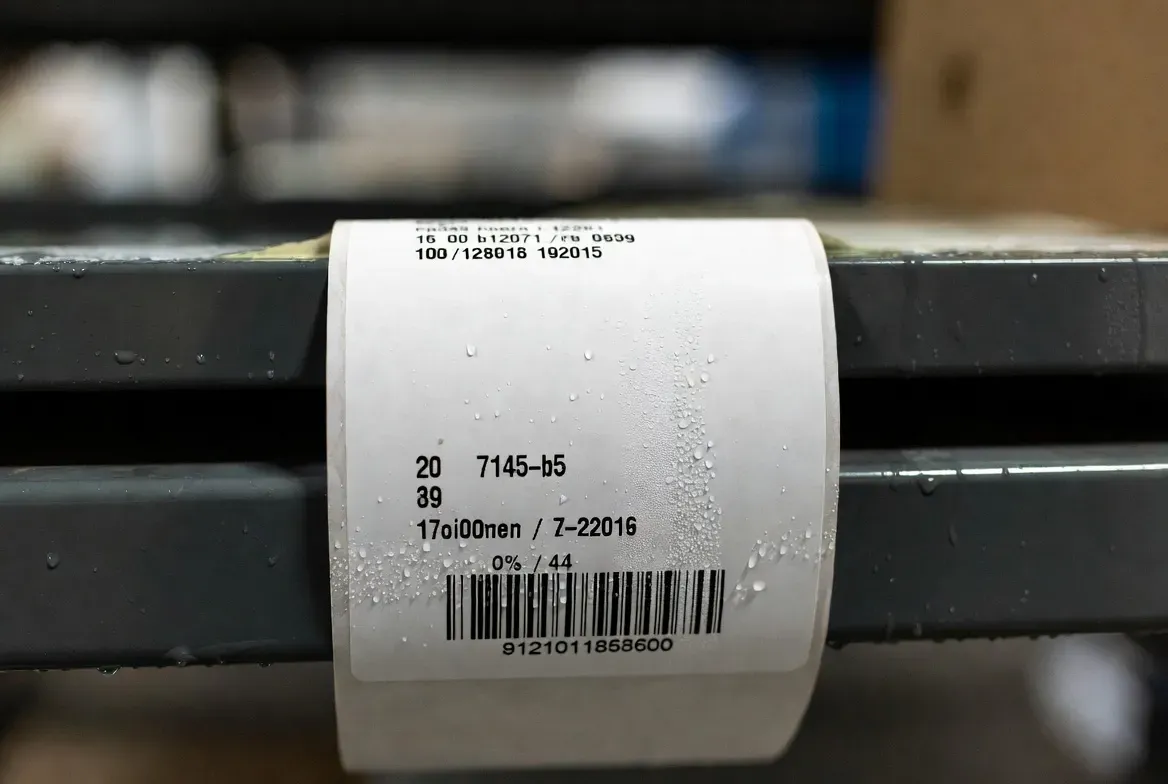
Standard, economy-grade thermal paper is not waterproof. Because the image is formed by a chemical reaction, water can interfere with that chemistry, causing the image to fade or the paper to turn grey.8 Furthermore, the paper fibers themselves will absorb water and become pulp-like.
However, there is a caveat: In the modern industrial supply chain, we use Top-coated Thermal Paper. This version features a polymer barrier that protects the reactive layer. While still not “submersible” like a synthetic vinyl label, top-coated thermal paper can easily survive light rain, condensation in refrigerated trucks, and the natural oils from human hands.
Practical Precautions for Longevity
If your business relies on thermal paper, following these industrial “best practices” will ensure your records remain legible for years:
- Avoid Heat Sources: Never store your thermal paper in a hot car. High ambient temperatures (>40°C) can “ghost” the paper, turning the entire roll dark.
- Say No to Adhesives: Certain tapes and glues contain plasticizers that react with the dye, causing the text to vanish over time. If you must tape a receipt, use “acid-free” or “archival-safe” tapes.
- The Hand Sanitizer Factor: Modern hand sanitizers often contain alcohols and solvents that instantly “erase” or blur the image on standard thermal paper. Handle your labels by the edges!
- Archival Storage: For long-term records (like tax receipts), store them in a cool, dark place (20-25°C). Under ideal conditions, high-quality thermal paper can remain legible for 7-10 years.
When is Thermal Paper the Right Choice?
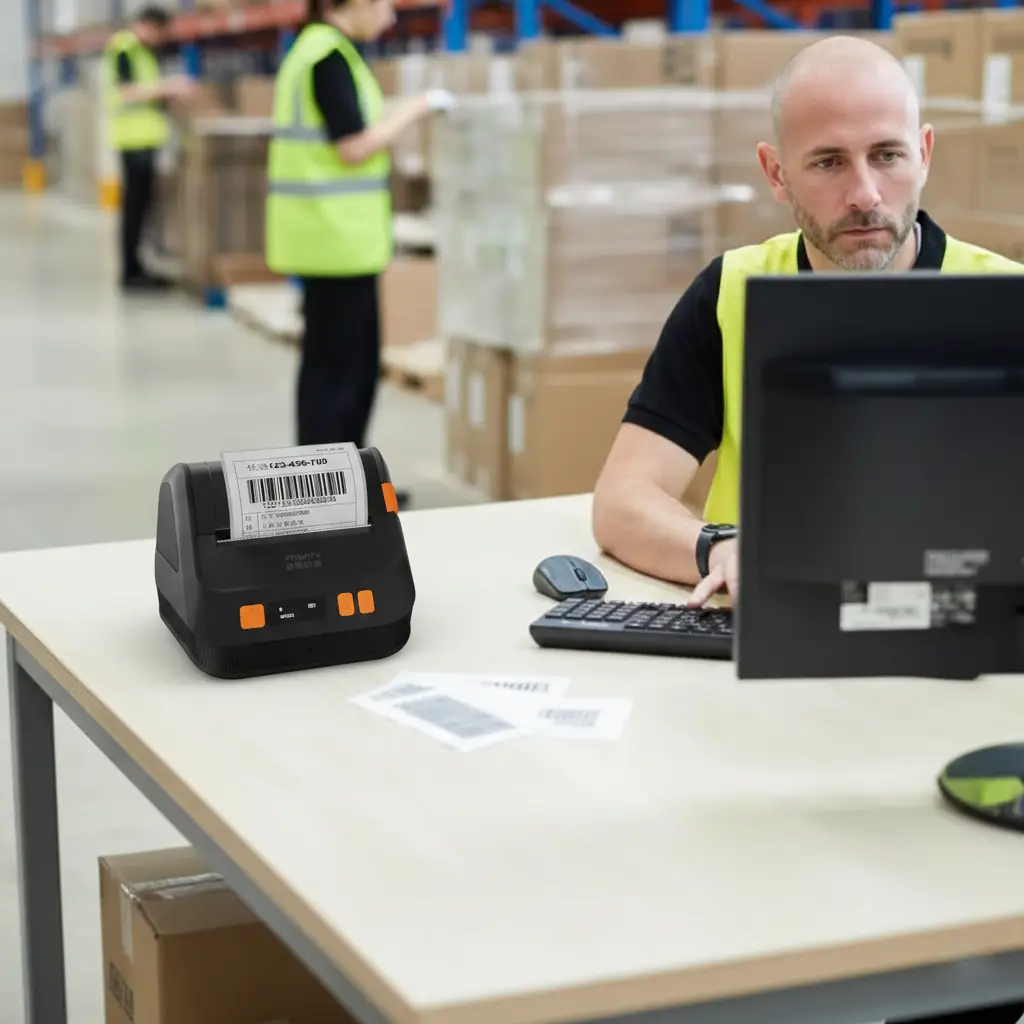
Despite the media requirements, the benefits of thermal paper systems are overwhelming for high-volume operations:
- Speed: There is no waiting for ink to dry or fusers to heat up.
- Reliability: With fewer moving parts (no ink ribbons or toner carousels), there is less to break.
- Cost: While the paper itself costs more than regular bond paper, the Total Cost of Ownership (TCO) is lower because you eliminate the recurring cost of ink and toner.
Conclusion
In summary, a thermal printer and thermal paper are a locked system. The printer provides the heat, and the paper provides the chemistry. Attempting to use regular paper breaks this partnership, resulting in blank sheets and damaged hardware.
When sourcing your media, always prioritize the grade of thermal paper that matches your environment—whether that is a standard economy roll for a dry retail shop or a top-coated, BPA-free roll for a rugged logistics warehouse.
About Aiyin
Aiyin is a leading thermal printer manufacturer providing reliable wholesale thermal printer supply and custom thermal printer solutions for retail, logistics, and commercial applications. Built on strong engineering and manufacturing capabilities, we design printers optimized for thermal paper performance, durability, and long-term cost efficiency.