EN
EN  FR
FR  DE
DE  RU
RU  ES
ES  PT
PT  JA
JA  KO
KO  ID
ID 
A POS (Point of Sale) system is the technology used by retail stores, restaurants, and service businesses to process transactions, manage sales, and handle payments. A typical POS setup includes hardware such as barcode scanners, cash drawers, and receipt printers, which provide customers with a printed record of their purchase.
Among these devices, thermal receipt printers have become the preferred choice for modern POS systems.
While many printing technologies exist, most POS systems are designed to work with a thermal receipt printer rather than inkjet or laser printers. This is not a coincidence. The choice of printing technology is closely tied to how receipts are used in real business environments.
To understand why POS systems overwhelmingly rely on thermal receipt printers, we need to examine the real role of receipts, how long they need to last, and the operational demands of high-volume businesses.
The Role of Receipts in POS Systems
Transaction Proof for Customers
In POS environments, receipts primarily serve as proof that a transaction has taken place. Customers may rely on receipts for several purposes, including:
- Purchase confirmation
- Product returns or exchanges
- Warranty validation
- Expense reimbursement
- Payment verification
Because receipts document financial transactions, they must be printed clearly and reliably.
However, they do not necessarily need to last forever.
Operational Tools for Business Workflows
In many POS-driven businesses, receipts are not only customer documents but also operational tools.
Examples include:
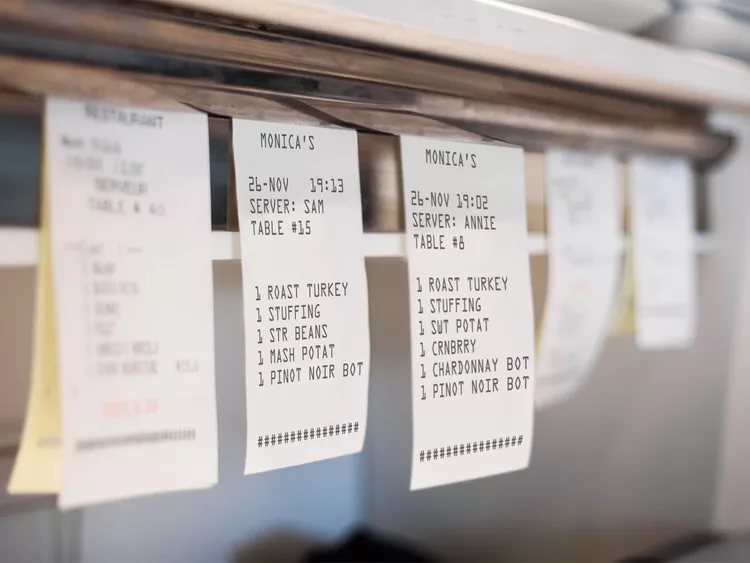
- Kitchen order tickets in restaurants
- Packing slips in delivery services
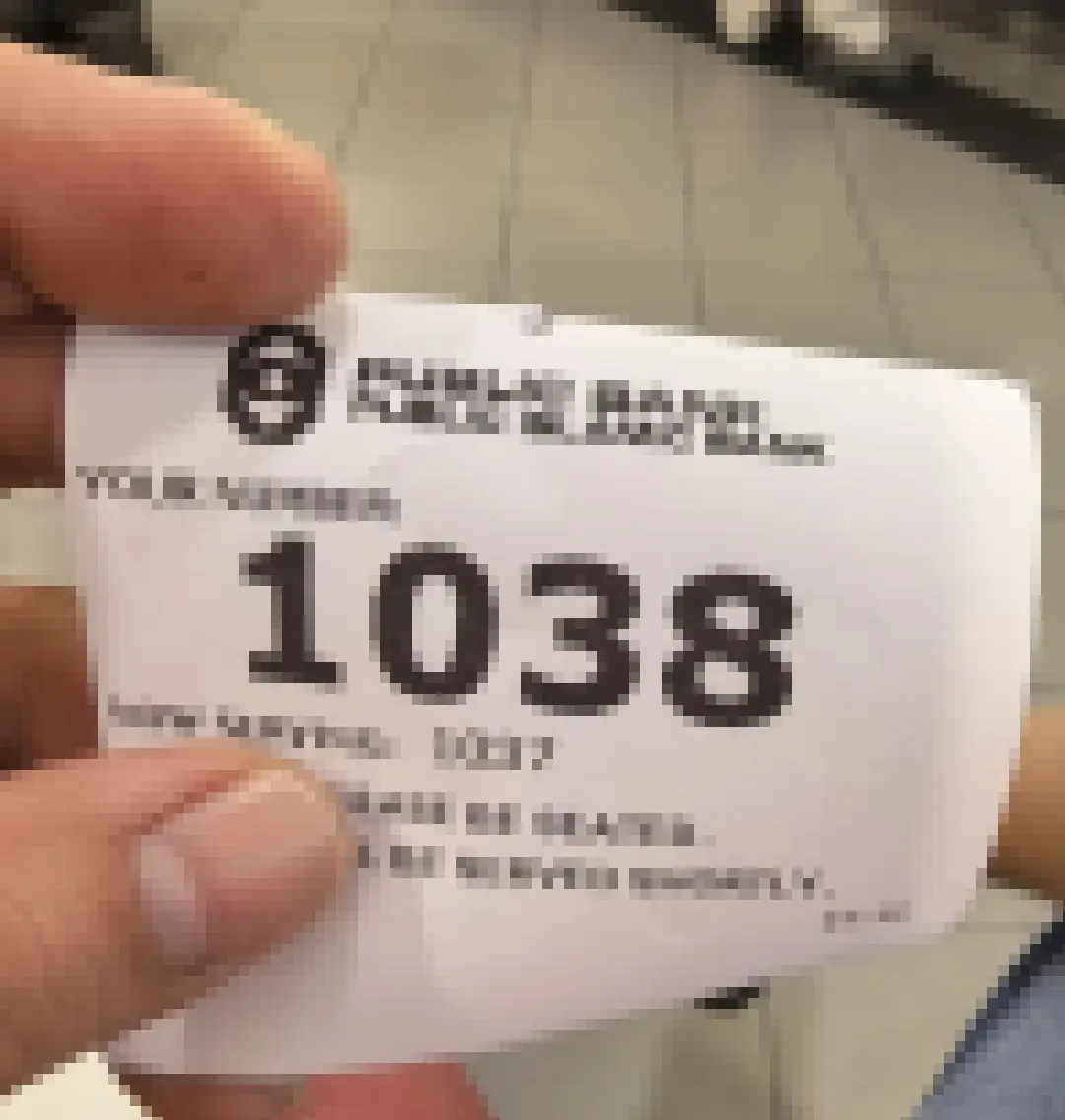
- Queue numbers in service counters
- Temporary transaction records for staff
These printed receipts often exist only long enough to complete the task they support.
This operational role explains why receipt printers must prioritize speed, reliability, and efficiency over long-term archival durability.
How Long Do POS Receipts Need to Last?
Different POS environments require different receipt lifespans.
Short-Term Receipts
Many POS receipts are temporary. Examples include:
- Restaurant kitchen tickets
- Takeout order slips
- Queue tickets
- Delivery confirmation notes
These receipts typically only need to remain readable for minutes or hours.
Medium-Term Receipts
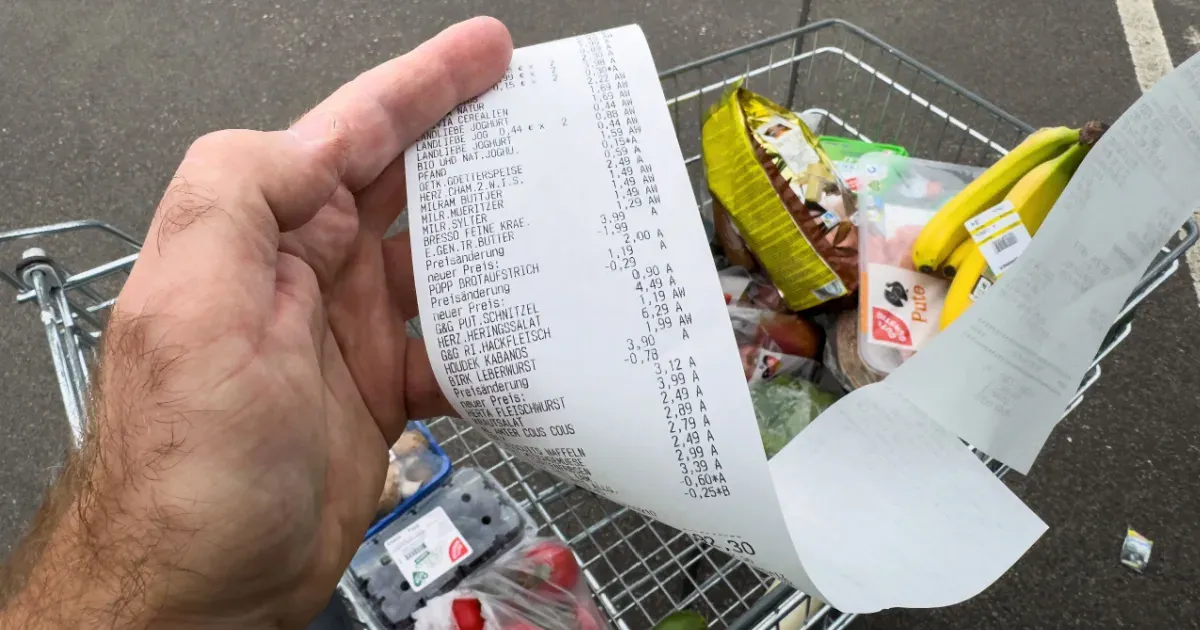
Customer-facing receipts often need to last longer, but still only for a limited period.
Common examples include:
- Retail purchase receipts
- Restaurant payment receipts
- Convenience store transactions
Customers usually keep these receipts for several weeks or months in case they need to return items or verify purchases.
Long-Term Records
Some financial records must be preserved for years, but these are rarely the printed receipts themselves.
Modern POS systems store transaction data digitally in:
- POS databases
- Cloud transaction records
- Accounting software
- ERP systems
Because of this digital recordkeeping, the printed receipt often functions as a temporary reference rather than the primary business record.
How a Thermal Receipt Printer Works
A thermal receipt printer uses heat instead of ink to create images on specially coated thermal paper.
Inside the printer, a thermal printhead heats specific areas of the paper, causing the chemical coating to darken and form text or graphics.
This technology offers several important advantages for POS environments:
- No ink cartridges or toner replacements
- Fast printing speeds
- Quiet operation
- Compact printer design
Because of this simple mechanism, the thermal receipt printer is particularly suited to high-volume printing environments.
Why POS Systems Prefer Thermal Receipt Printers
High-Speed Printing
POS environments often process dozens or hundreds of transactions per hour. Slow printing can create long checkout lines and reduce service efficiency.
A thermal receipt printer can produce receipts almost instantly, allowing businesses to complete transactions quickly.
Lower Operating Costs
Businesses that print thousands of receipts each week must carefully manage printing costs.
Traditional printers require consumables such as:
- Ink cartridges
- Toner
- Ink ribbons
A thermal receipt printer eliminates most of these recurring costs because it only requires thermal paper.
This significantly reduces the total cost of ownership over time.
Minimal Maintenance
Thermal printers have fewer mechanical components compared with ink-based printers.
Without complex ink delivery systems, there are fewer parts that can fail.
As a result, businesses benefit from:
- Lower maintenance requirements
- Reduced downtime
- Greater operational reliability
Compact and Quiet Design
POS environments such as retail counters and restaurants often have limited space.
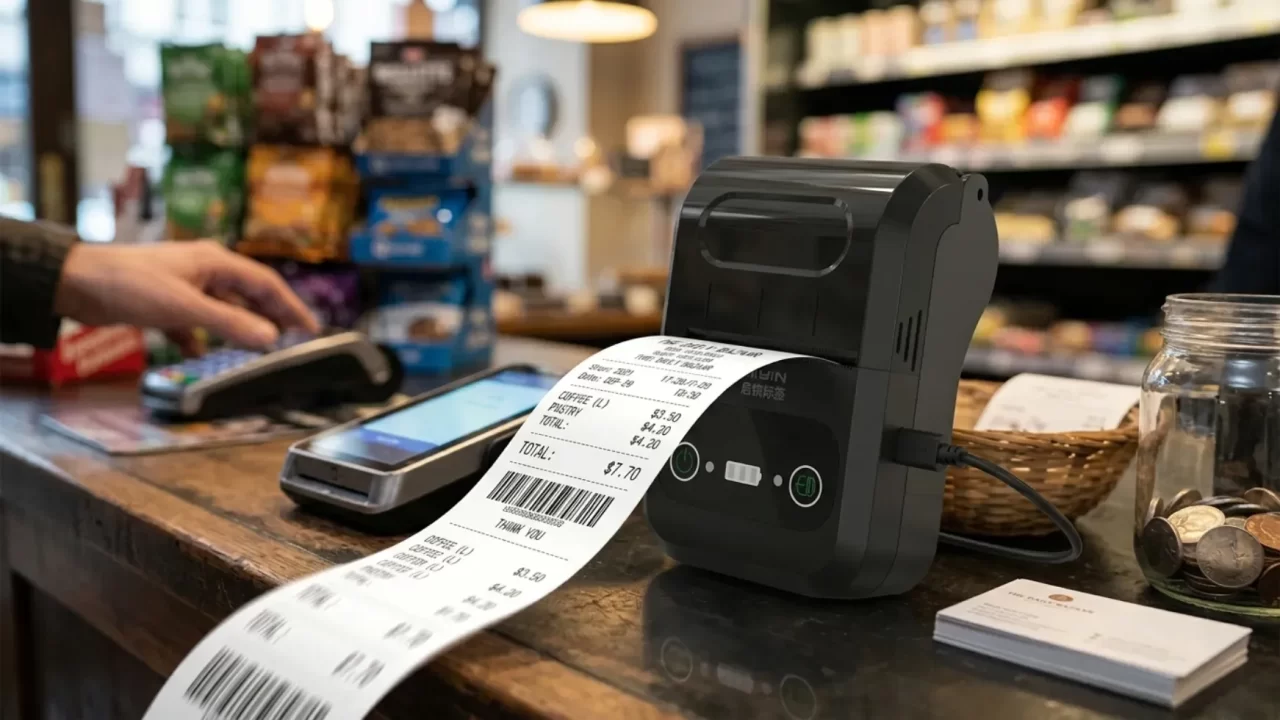
A thermal receipt printer typically has a compact footprint and operates quietly, making it ideal for customer-facing environments.
Industries Where Thermal POS Printers Excel
Restaurants and Cafés
Restaurants use receipt printers not only for customer receipts but also for kitchen order tickets. Thermal printers provide the speed required to keep kitchen workflows running smoothly.
Retail Stores and Brand Shops
Retail environments rely on receipts for purchases, returns, and loyalty programs. Thermal printers integrate seamlessly with POS systems and can handle continuous printing throughout the day.
Delivery and Takeout Businesses
Food delivery operations require fast printing for order slips, preparation tickets, and payment receipts. Thermal printers support high-volume printing without slowing down operations.
Service Counters and Logistics
Thermal receipt printers are also used to print queue numbers, dispatch confirmations, and service records. These documents are typically temporary, making thermal printing the most practical solution.
When Thermal Receipt Printing May Not Be Ideal
Although thermal technology is well-suited for POS receipts, it has some limitations.
Thermal paper can fade over long periods if exposed to heat, sunlight, or certain chemicals. Because of this, thermal printing is not ideal for documents that must remain readable for many years.
For long-term archival records, businesses may use other technologies such as:
- Thermal transfer printing
- Laser printing
Conclusion
POS systems rely on printing technology that can keep up with the speed and operational demands of modern businesses. Most receipts serve short-term purposes and are supported by digital transaction records stored within POS systems.
For this reason, the thermal receipt printer has become the standard solution for restaurants, retail stores, delivery services, and service counters. By offering fast printing speeds, low operating costs, minimal maintenance, and reliable performance, thermal technology aligns perfectly with the real-world requirements of POS receipt printing.
About Aiyin
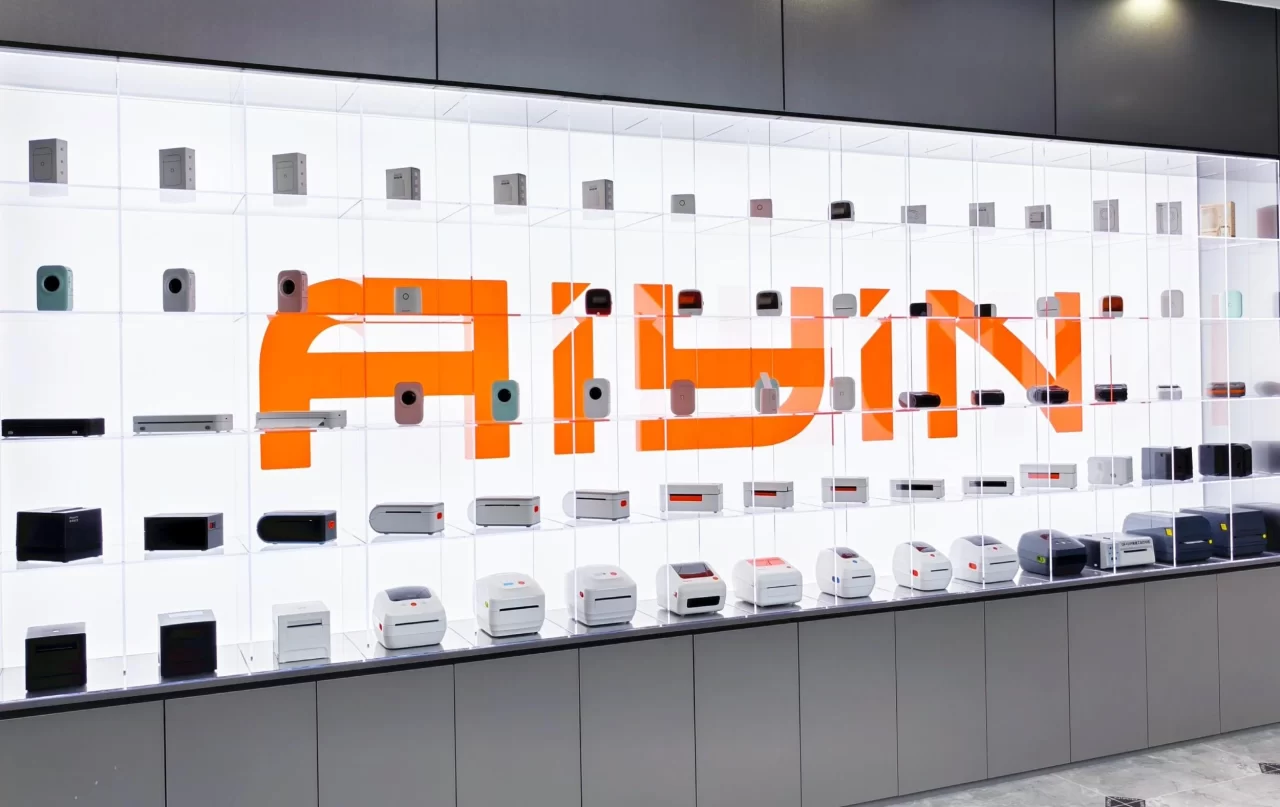
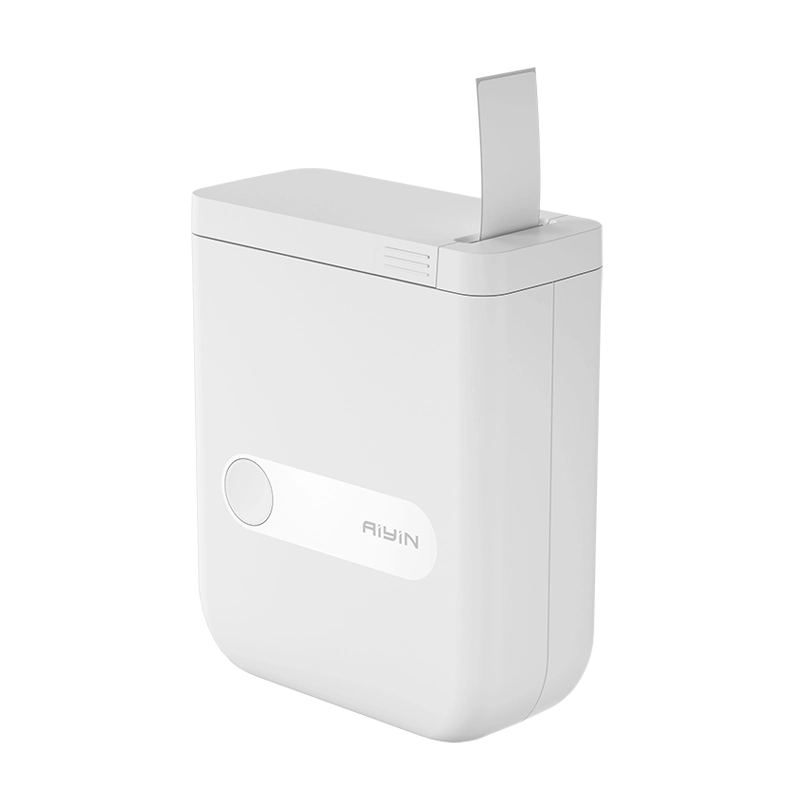
Aiyin is a leading thermal printer manufacturer offering high-speed, reliable wholesale thermal receipt printers for restaurants, retail, delivery, and service counters. Aiyin ensures consistent batch performance and operational reliability with our self-possessed factory near our office.
Trusted by high-volume businesses, Aiyin combines engineering expertise with flexible custom thermal printer solutions to meet specific operational needs, reduce downtime, and optimize total cost of ownership for enterprise clients worldwide.