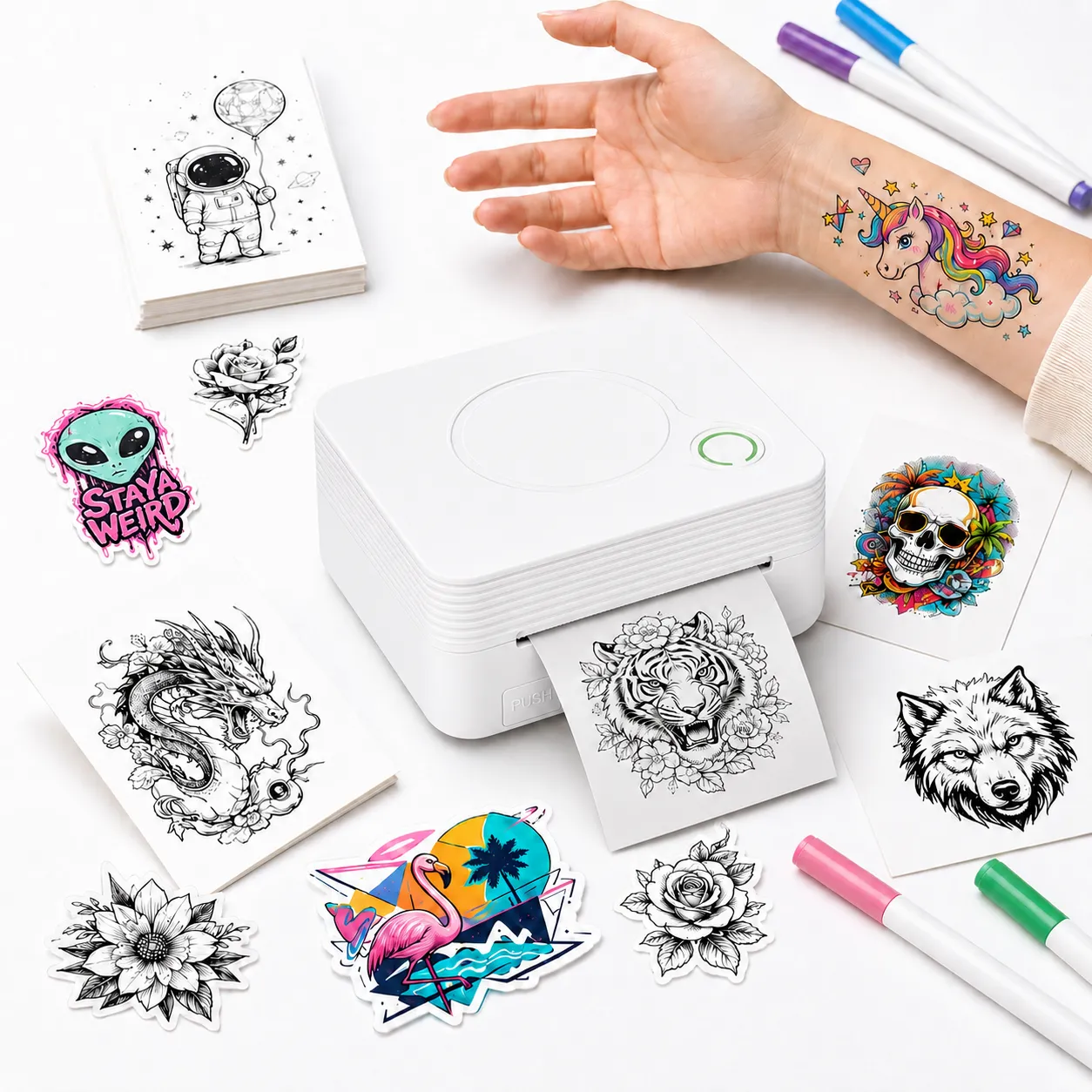
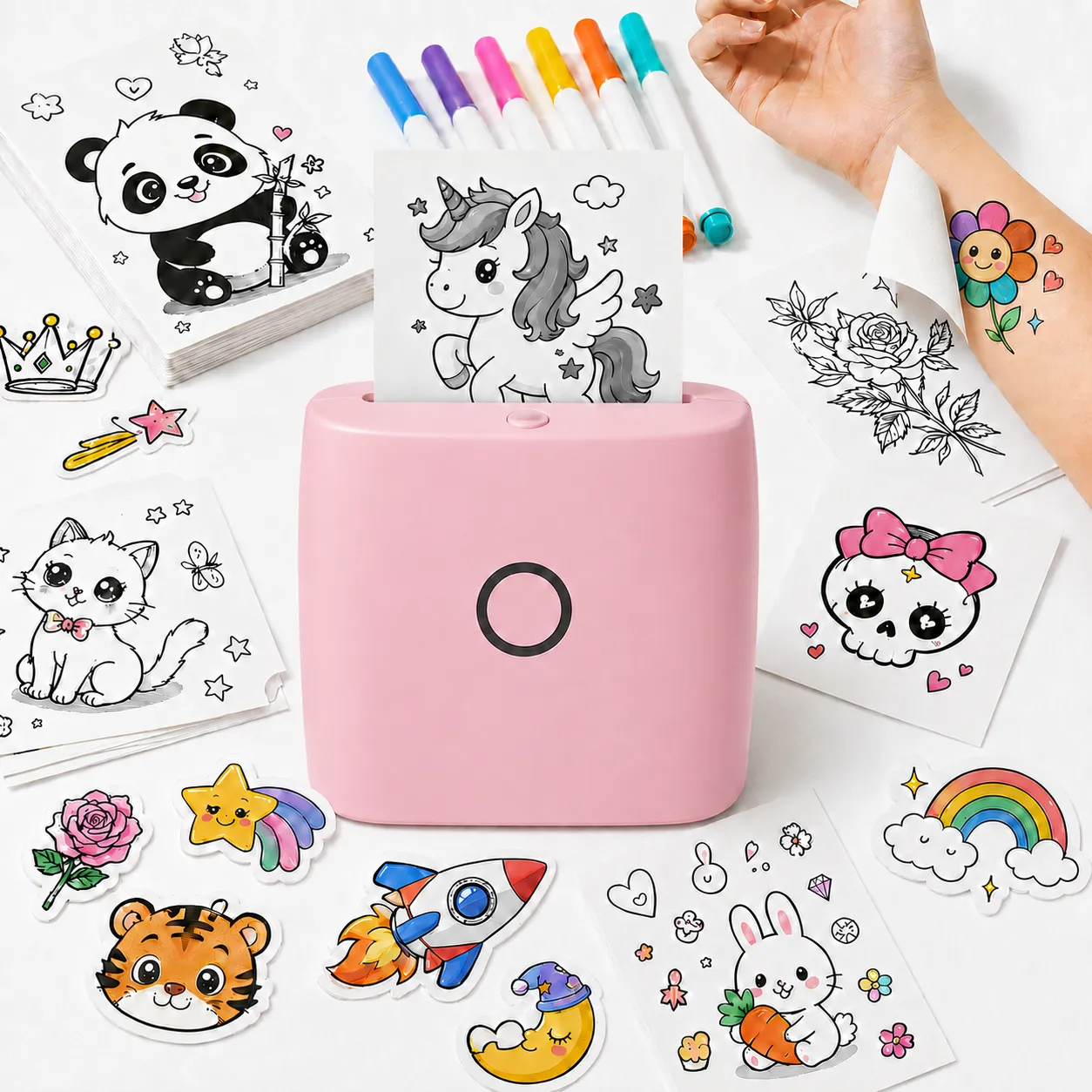
When choosing a photo printer, two technologies often come into consideration: dye sublimation and inkjet printing. Both can produce high-quality photos, but they use different printing methods and are designed for different applications.
What Is Dye Sublimation Photo Printing?
Dye sublimation photo printing uses heat to transfer dye onto specially designed photo media. Instead of spraying liquid ink directly onto paper, the printer heats the dye and transfers it to the printing surface. The amount of dye transferred can be controlled according to the image, allowing different colors and tones to be created.
This process is particularly suitable for photo printing because it can produce smooth color transitions and consistent image output. Many dye sublimation photo printers are designed specifically for photographic applications, making them suitable for producing physical photos on demand.
What Is Inkjet Photo Printing?
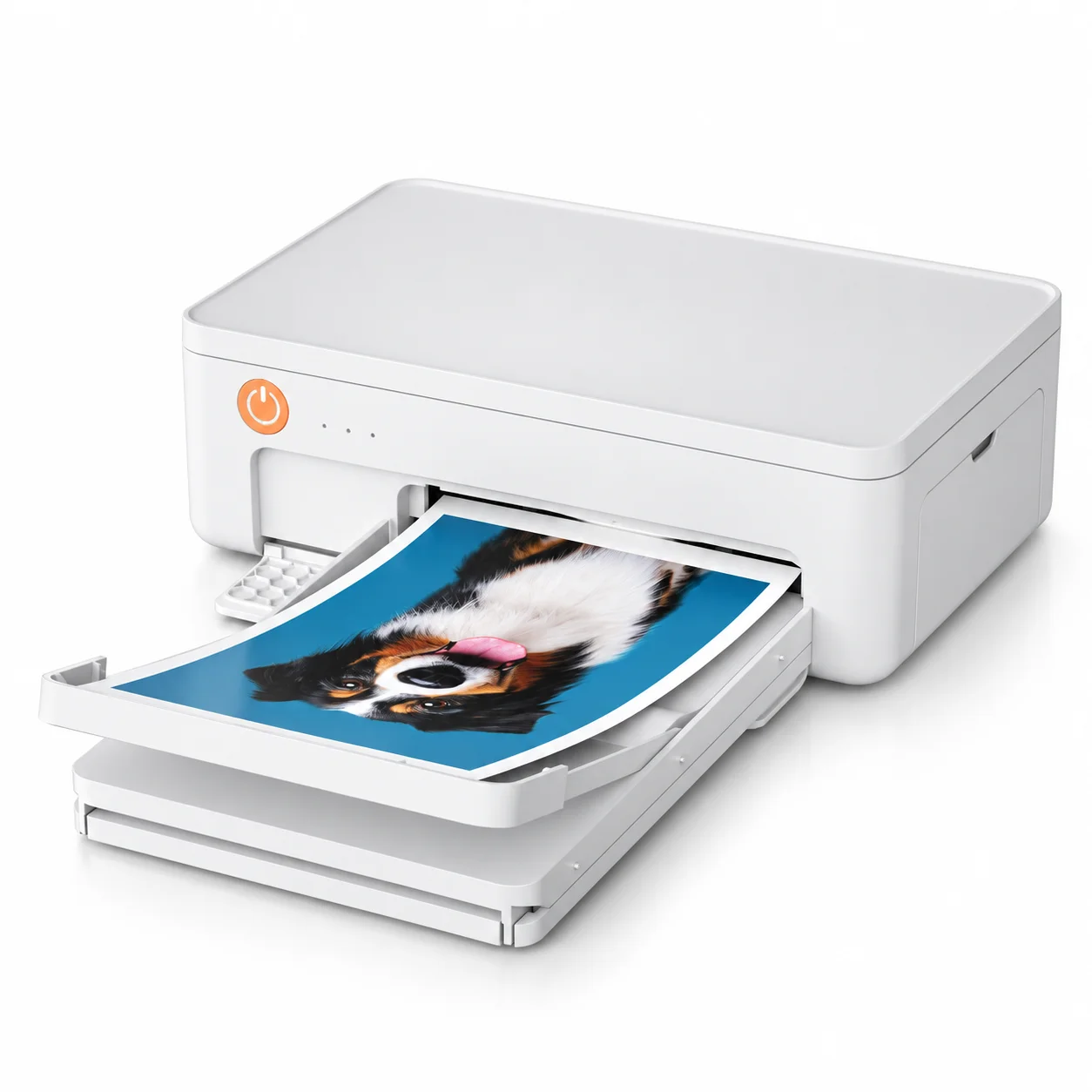
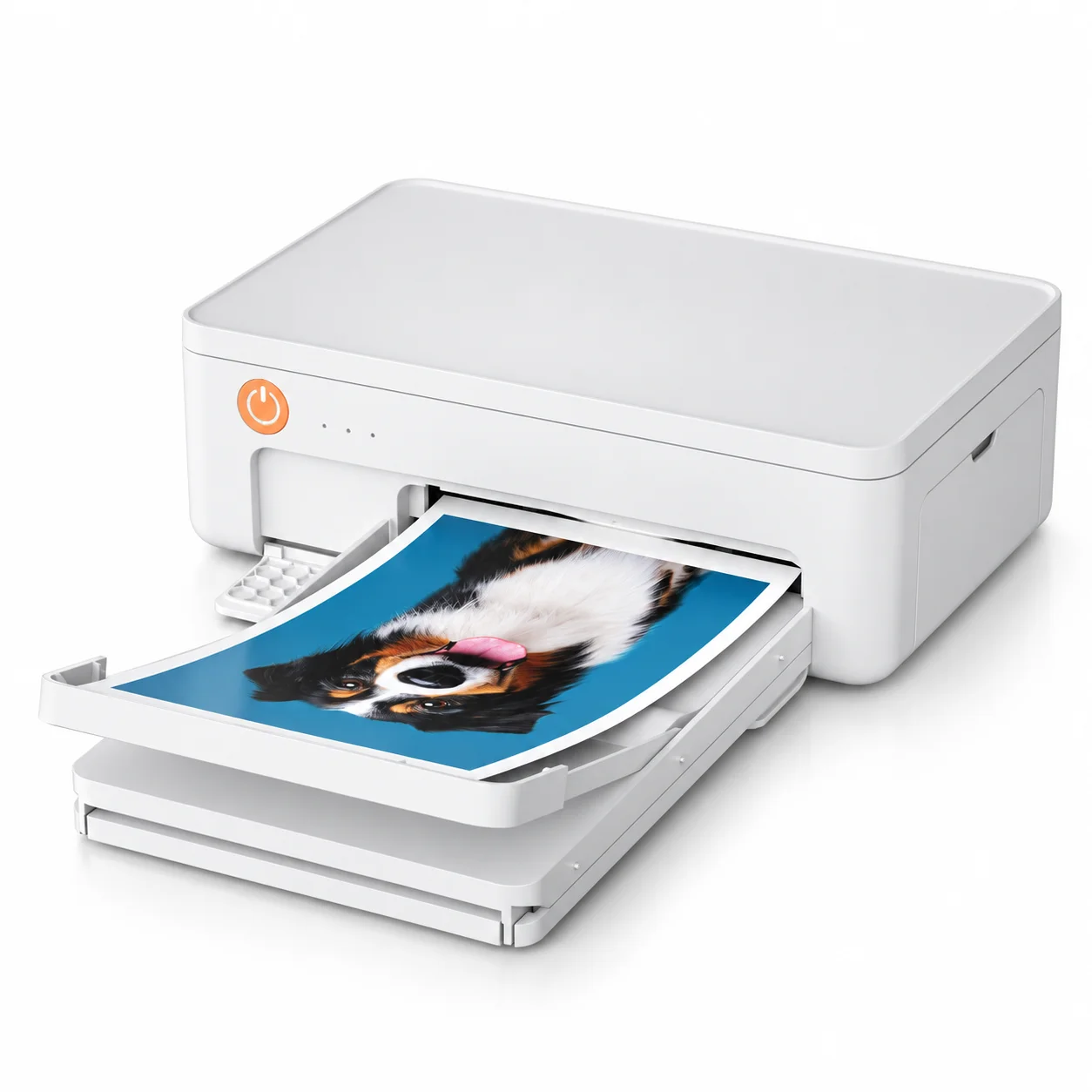
Inkjet photo printers create images by spraying microscopic droplets of ink onto photo paper. Different colors of ink are combined in precise patterns to reproduce the original image. Depending on the printer, inkjet systems can use different numbers and types of ink cartridges to achieve a wider color range.
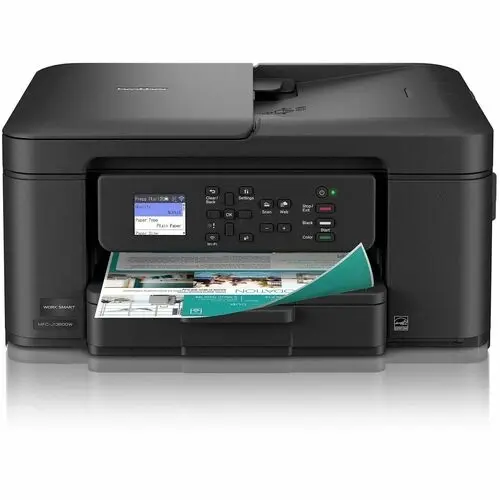
One major advantage of inkjet technology is its flexibility. Inkjet printers can work with different types of paper and media and can often be used for both photos and documents. This makes them common in homes, studios, offices, and other environments where multiple types of printing are required.
Dye Sublimation vs. Inkjet: Key Differences
Although both technologies can produce attractive photo prints, their differences become clearer when comparing printing methods, image output, durability, media compatibility, maintenance, and application scenarios.
Printing Method
Dye sublimation relies on controlled heat to transfer dye onto the photo medium. Inkjet printing relies on microscopic ink droplets sprayed from a printhead. The different mechanisms affect how colors are formed and how the final photo looks.
Photo Quality and Color Gradation
Dye sublimation printing is known for producing smooth tonal transitions. Because the dye is transferred through a controlled heating process, colors can blend smoothly across the image. This can be useful for portraits, landscapes, event photos, and other images where continuous color transitions are important.
Inkjet printers can also produce excellent photo quality. Their ability to place extremely small ink droplets allows them to reproduce fine details and complex images. Modern inkjet photo printers can deliver high-resolution results, particularly when paired with suitable photo paper and high-quality inks.
Therefore, it is not simply a question of which technology produces better photos. The final result also depends on the printer, consumables, image quality, color management, and printing settings.
Durability and Photo Protection
Another important consideration is how the printed photo handles everyday use. Dye sublimation prints can have a protective finish that helps improve resistance to moisture, fingerprints, and everyday handling, depending on the printer and media system.
Inkjet photo durability varies considerably depending on the type of ink and paper used. Some combinations can offer strong resistance to fading and environmental exposure, while others are more sensitive to moisture or handling.
For both technologies, proper storage is important. Direct sunlight, humidity, temperature, and the quality of the printing media can all influence how a photo looks over time.
Printing Speed and Workflow
Printing speed becomes particularly important when photos need to be produced immediately. For example, event organizers and photo booth businesses may need to print multiple photos continuously while customers are waiting.
Dye sublimation photo printers are commonly designed around a dedicated photo-printing workflow. Once an image is sent to the printer, the device can process the image and produce the physical photo through its dye-transfer process.
Inkjet printers can also provide fast photo printing, but actual speed varies depending on the printer model, print quality settings, paper size, and image complexity.
For businesses that need consistent on-demand photo output, workflow efficiency can be just as important as maximum resolution.
Media and Printing Flexibility
Inkjet printers generally offer greater flexibility when it comes to printing media. Depending on the model, they can support different types and sizes of photo paper, specialty paper, and other printable materials.
Dye sublimation photo printers are usually designed around specific media systems. This can make them less flexible for general-purpose printing, but the dedicated design can also simplify the printing workflow for users who mainly need physical photos.
Therefore, users who need a printer for many different types of printing may prefer a flexible inkjet system, while users who mainly need convenient photo printing may consider a dedicated dye sublimation solution.
Portability and Mobile Photo Printing
Portability is another important difference when choosing a photo printer. Traditional desktop printers are often designed to remain in a fixed location. Portable photo printers, on the other hand, are designed to be moved between different locations.
This is particularly useful for weddings, parties, exhibitions, trade shows, outdoor events, photography services, and other situations where a fixed printing station may not be practical.
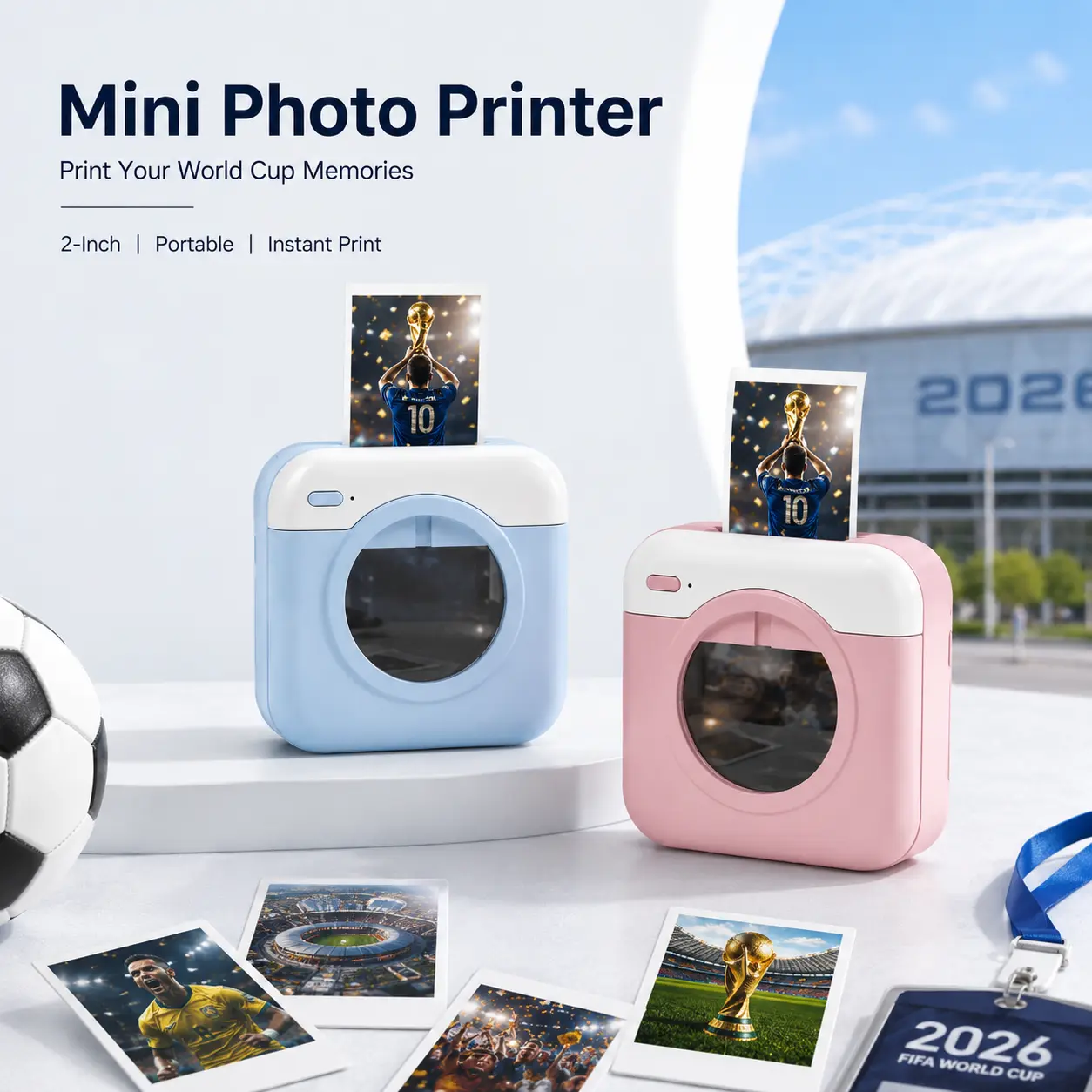
A portable dye sublimation photo printer can combine a compact form factor with dedicated photo printing. Features such as wireless connectivity and battery-powered operation can further support mobile workflows.
For example, AiYin’s portable dye sublimation photo printer is designed for mobile photo printing and supports a 6-inch photo format. Its portable design, wireless connectivity, and battery-powered operation make it suitable for applications where users need to print photos away from a traditional desktop setup.
Which Technology Is Better for Different Applications?
There is no single printing technology that is suitable for every user. The right choice depends on how and where the printer will be used.
Home Photo Printing
For users who need a printer for photos as well as documents or different media types, an inkjet printer can provide greater versatility. It can be useful for families with multiple printing needs.
Professional Photography
Photographers should consider color accuracy, detail, media compatibility, print size, and workflow. Both technologies can be used for professional photo output, but the best choice depends on the photographer’s workflow and preferred media.
Events and Weddings
For events, portability and quick photo output can be important. A compact dye sublimation photo printer can be useful when photos need to be printed on site and handed directly to guests.
Photo Booth Businesses
Photo booth businesses often need to process many photos during a limited period. A dedicated photo printer can help create a streamlined workflow from digital image capture to physical photo output.
Travel and Outdoor Printing
For travelers and outdoor users, portability becomes a major consideration. A compact printer that can connect to a smartphone and operate using battery power can make on-demand printing more convenient.
How to Choose Between Dye Sublimation and Inkjet Photo Printing
When choosing between the two technologies, start with your actual printing requirements rather than simply comparing specifications.
Choose a dye sublimation photo printer if you prioritize dedicated photo printing, convenient physical photo output, consistent results, and mobile or event applications.
An inkjet printer may be more suitable if you need greater media flexibility, different printing sizes, mixed photo and document printing, or a printer for general-purpose use.
For business buyers, other factors should also be considered, including consumable availability, cost per print, maintenance, connectivity, portability, expected printing volume, and after-sales support.
Why Consider a Portable Dye Sublimation Photo Printer?
As mobile and on-demand printing continues to develop, portable photo printers are becoming useful tools for businesses and individual users who want to create physical photos wherever they are.
A portable dye sublimation printer can bring together several useful features, including compact design, photo-focused printing, wireless connectivity, battery-powered operation, and smartphone-based workflows.
For event companies, photographers, photo booth operators, retailers, and businesses offering personalized products, this type of printer can provide more flexibility than a traditional fixed printing setup.
Conclusie
Dye sublimation and inkjet photo printing are both capable of producing high-quality photos, but they are designed around different printing methods and workflows. Dye sublimation is particularly suited to dedicated photo printing, consistent output, and portable or on-demand applications. Inkjet technology provides broader media flexibility and can be a practical choice for users who need a printer for multiple purposes.
Over AiYin
AiYin is een professional photo printer supplier offering portable photo printing solutions for personal, commercial, and on-site applications. Our product range covers portable dye sublimation photo printers and other printing solutions designed for convenient, high-quality image output. With a focus on product development, practical design, and flexible customization, AiYin supports distributors, retailers, event businesses, photography providers, and other B2B customers looking for reliable photo printing products. From portable photo printers to customized printing solutions, AiYin helps partners meet different market and application needs.