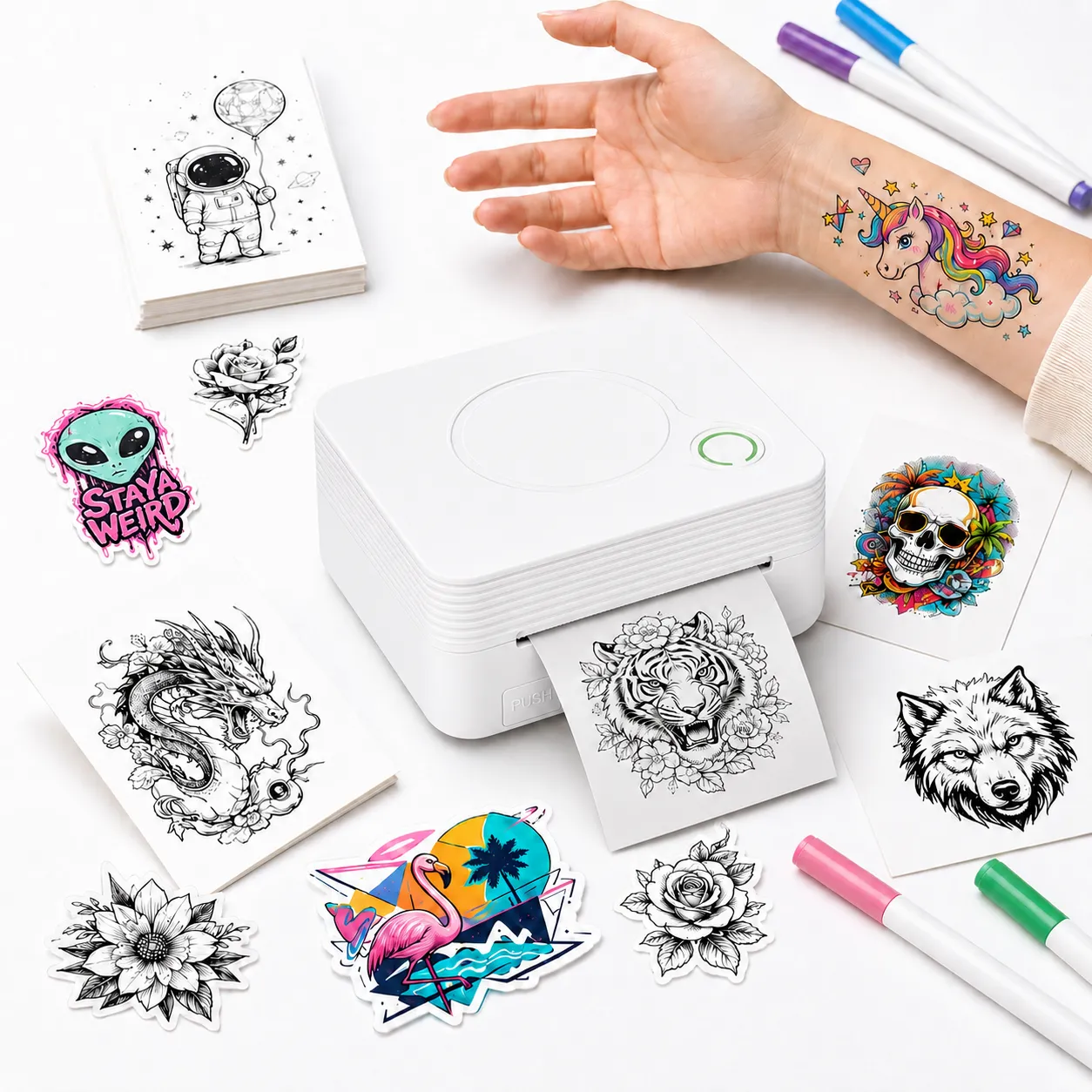
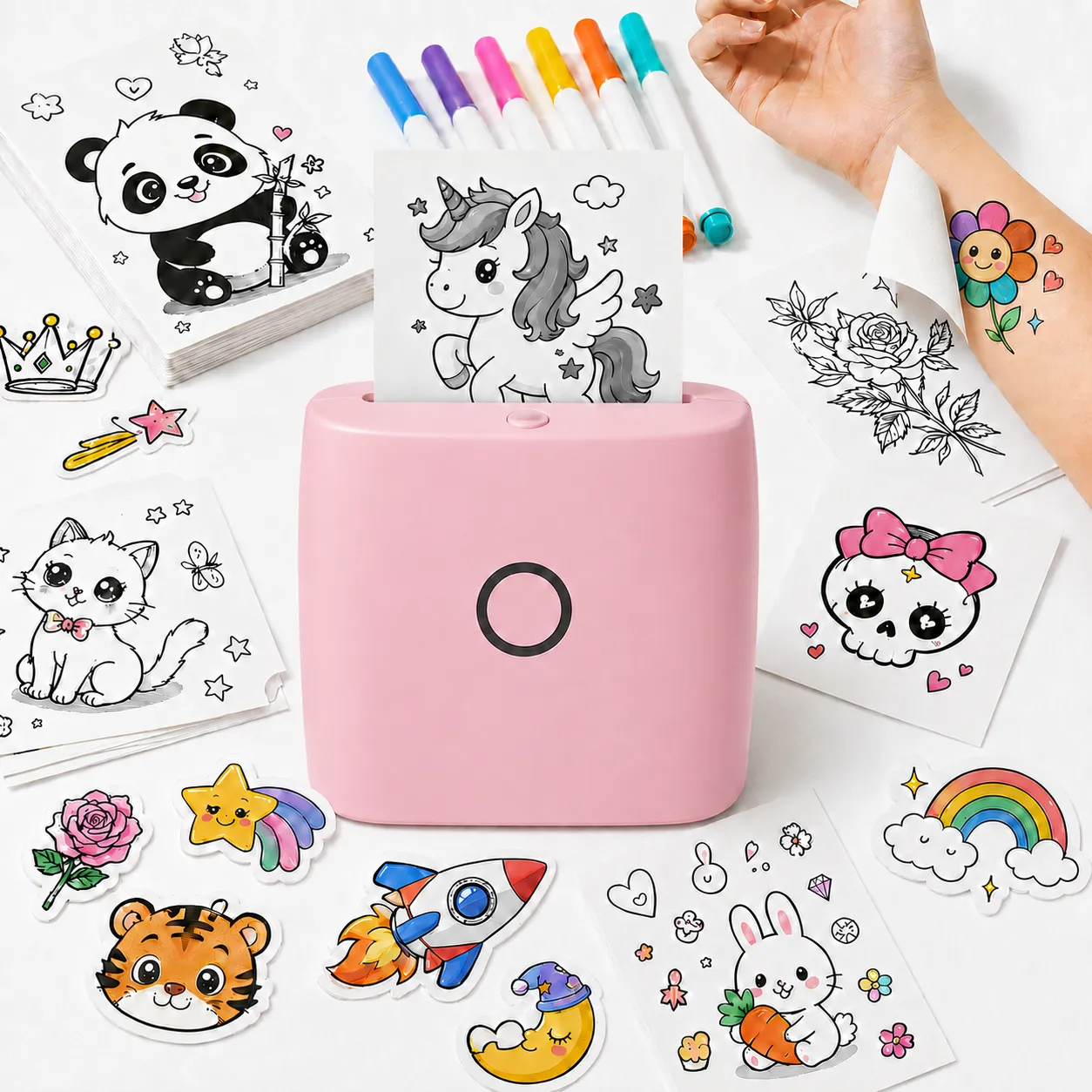
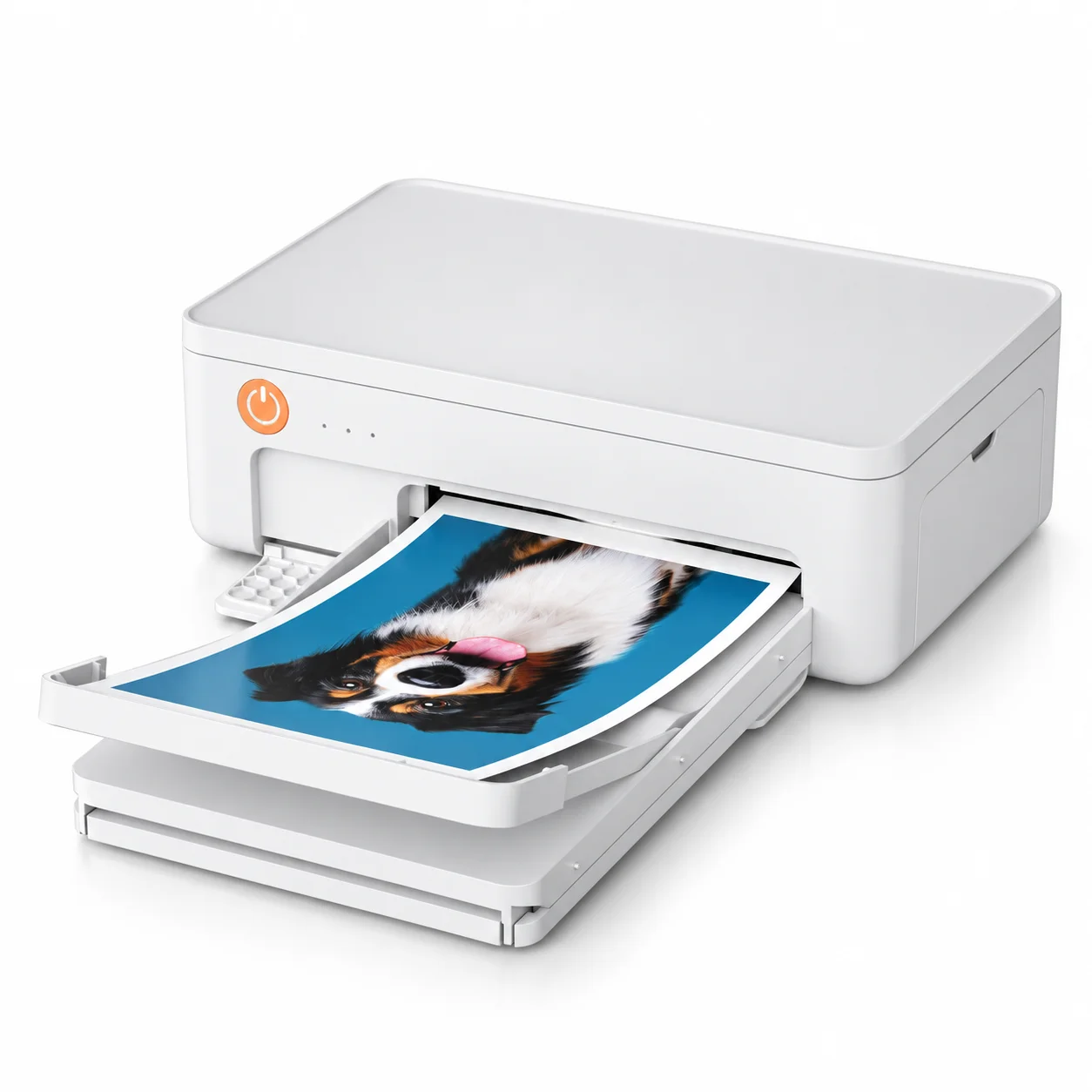
Among the latest innovations, AI printers are attracting attention as a new type of educational technology. Unlike traditional digital devices, they combine artificial intelligence with hands-on activities by generating printable worksheets, stories, coloring pages, and creative projects.
However, educational tablets remain one of the most established learning tools, offering access to apps, videos, online courses, and digital resources.
So, which one is better: an AI printer or an educational tablet?
로서 professional AI thermal printer manufacturer, Ayin can tell that the answer depends on the child’s age, learning goals, and the type of experience parents want to create. While tablets focus on digital learning and information access, AI printers emphasize creativity, personalization, and hands-on interaction.
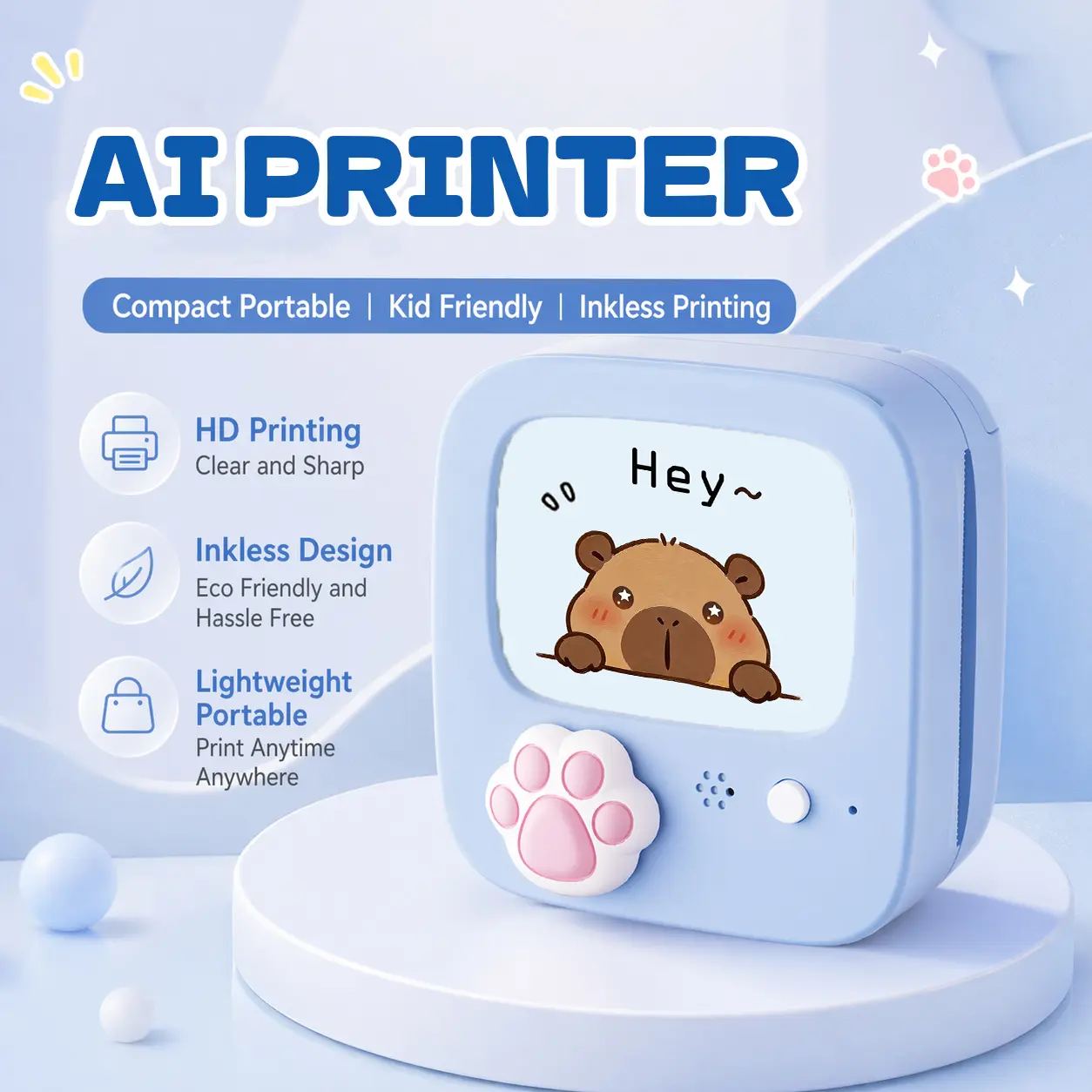
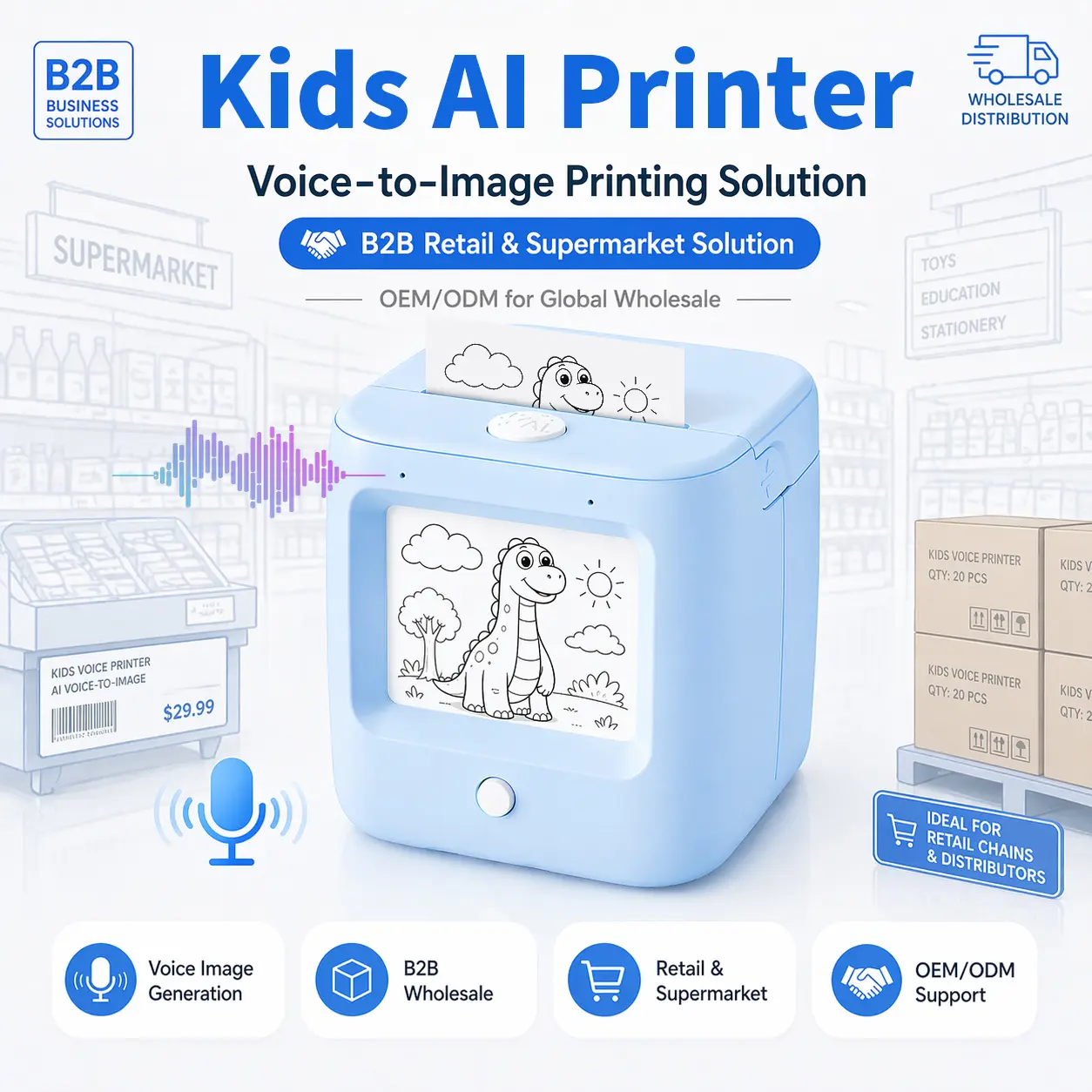
AI Printer and Educational Tablet: Different Learning Approaches
Although both products support children’s education, they encourage different learning behaviors.
Educational tablets are designed around digital interaction, while AI printers focus on creating physical learning materials that children can touch, write on, and interact with.
Educational Tablets: Digital Learning Through Screens
Educational tablets have become common learning devices for children because they provide access to a wide range of digital resources.
They can support:
- Educational apps
- Online courses
- Digital textbooks
- Learning videos
- Interactive games
- Language learning programs
One major advantage of tablets is the amount of information they can provide. Children can explore different subjects, watch educational videos, and receive immediate feedback from learning applications.
However, tablet-based learning also has some limitations.
Since most activities happen through a screen, children may spend extended periods consuming digital content rather than actively creating. Parents may also need to manage screen time carefully to avoid excessive device usage.

AI Printers: Learning Through Creation and Interaction
AI printers introduce a different learning approach.
Instead of mainly consuming digital content, children use AI-generated materials as starting points for hands-on activities.
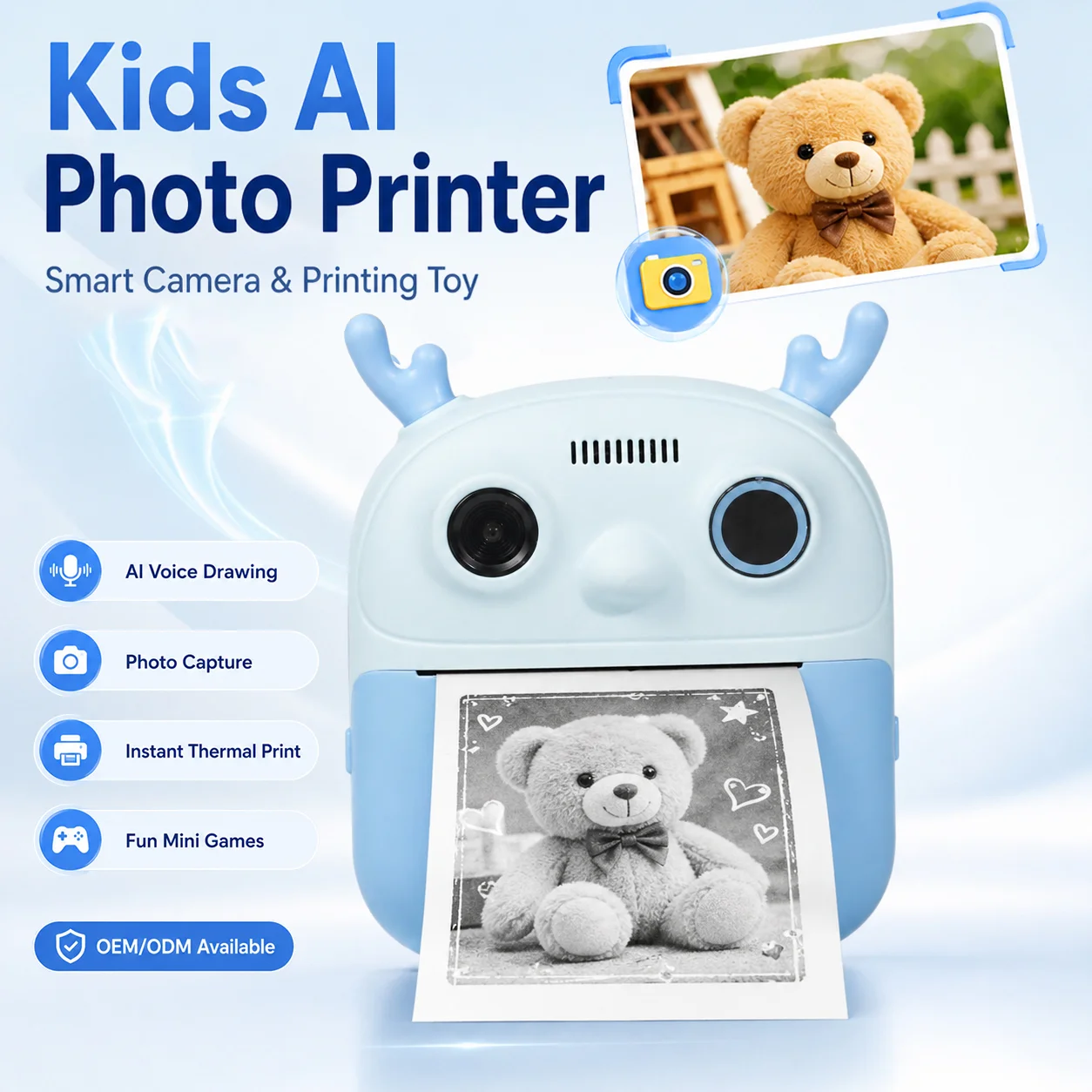
한 AI printer for kids can create:
- AI-generated worksheets
- 색칠하기
- Storybooks
- 그림 주제
- Puzzle activities
- Learning exercises
For example, a child interested in dinosaurs can generate dinosaur coloring pages, science activities, or creative writing prompts related to that topic.
The main advantage of AI printers is that they connect artificial intelligence with physical learning. Children can print, draw, write, solve problems, and create their own projects.
However, AI printers are not designed to replace all digital learning functions. They depend on AI software capabilities and cannot provide the same multimedia experience as tablets.
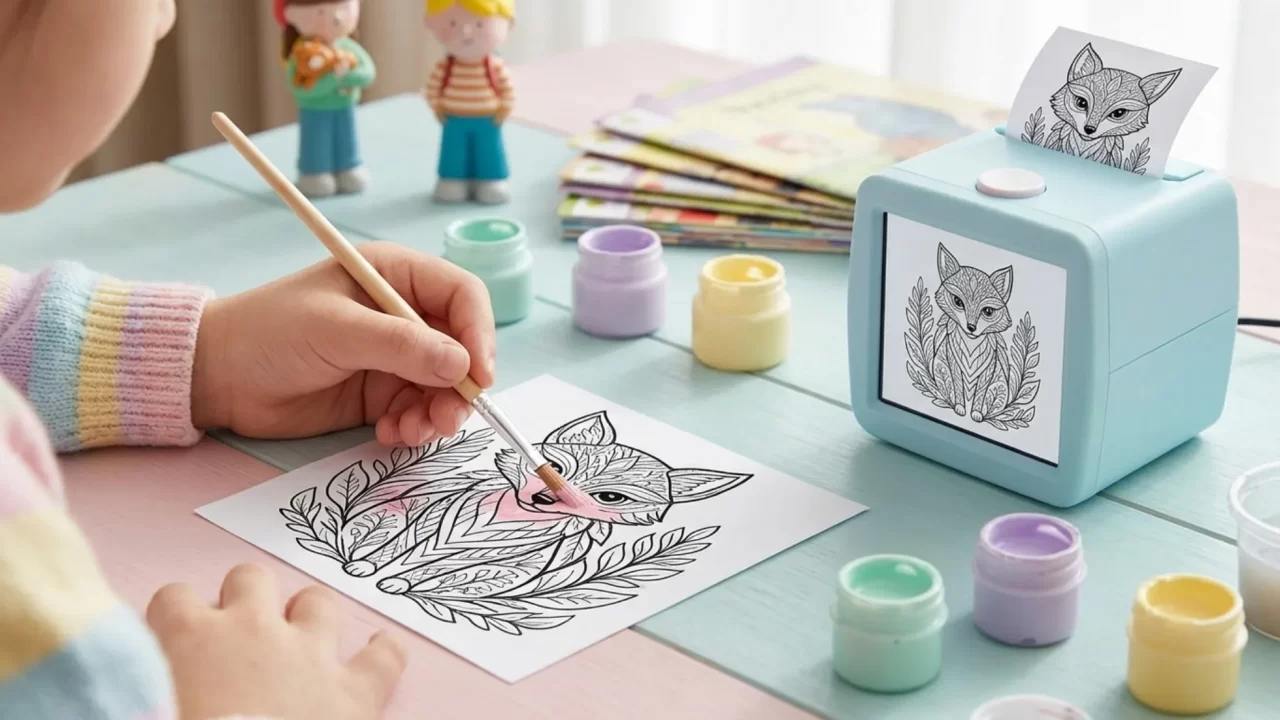
AI Printer vs Educational Tablet: Feature Comparison
The following comparison shows how these two learning tools differ.
| 기능 | AI 프린터 | Educational Tablet |
|---|---|---|
| Learning Style | Hands-on creation | Digital interaction |
| Screen Time | 낮음 | 더 높음 |
| Creativity Development | 강한 | 보통 |
| Content Type | Printable activities | Apps, videos, courses |
| 개인화 | AI-generated content | App-based customization |
| Learning Feedback | Activity-based | Instant digital feedback |
| 최상의 대상 | Creativity and personalized learning | Digital knowledge acquisition |
Neither device is universally better. Each one serves different educational purposes.
Which Learning Tool Is Better for Different Ages?
Children at different developmental stages have different learning needs. The best choice depends heavily on age and learning objectives.
Preschool Children (Ages 3–6)
For younger children, hands-on activities are especially important because they help develop:
- Fine motor skills
- 창의성
- Early literacy
- Problem-solving abilities
AI printers can support preschool learning through:
- Alphabet tracing sheets
- Coloring activities
- Matching games
- Simple puzzles
- Drawing exercises
Educational tablets can also be useful for:
- Basic learning apps
- Interactive stories
- Language activities
However, many parents prefer limiting screen exposure during early childhood. For this stage, AI printers may provide stronger support for creative, physical learning experiences.

Elementary Students (Ages 6–12)
Elementary students often need a combination of creative activities and structured learning resources.
AI printers can help with:
- Math worksheets
- Reading exercises
- Science projects
- Creative writing activities
- Personalized practice materials
Educational tablets provide advantages in:
- Online research
- Digital learning platforms
- Interactive lessons
- Educational applications
For many families, combining both tools can create a balanced learning environment. Tablets support information access, while AI printers encourage creation and practical application.
Older Children and Independent Learners
Older students often benefit more from digital learning resources.
Educational tablets provide access to:
- Online courses
- Research tools
- Digital productivity applications
- Advanced learning platforms
AI printers still have value for:
- Project materials
- Study notes
- Creative assignments
- Organization tools
At this stage, AI printers work best as a supporting tool rather than the primary learning device.

Why AI Printers Are Gaining Attention in the Education Market
The rise of AI printers reflects several important trends in modern education.
Growing Demand for Screen-Free Learning
Many parents are becoming more aware of the impact of excessive screen time.
While digital learning provides valuable resources, families are also looking for alternatives that encourage children to interact with physical materials.
AI printers offer a balance by using advanced technology while supporting offline activities such as writing, drawing, and crafting.
This combination of AI convenience and screen-free interaction makes them attractive to modern families.
Personalized Learning Experiences
One of the biggest advantages of AI technology is personalization.
Traditional educational materials are usually designed for general age groups, meaning they may not match every child’s interests or learning speed.
AI printers can generate customized content based on:
- Learning level
- Interests
- Subjects
- Creative preferences
For example, a child who loves animals can receive animal-themed math exercises, while another child interested in space can explore astronomy-related activities.
This personalized approach makes learning more relevant and engaging.
Combining AI Technology With Hands-On Learning
AI printers demonstrate that artificial intelligence does not need to replace traditional learning methods.
Instead, AI can enhance them.
By turning digital intelligence into physical activities, AI printers combine:
- AI-generated creativity
- Physical interaction
- Parent-child engagement
- Independent learning
This creates a different educational experience from tablets and other digital devices.
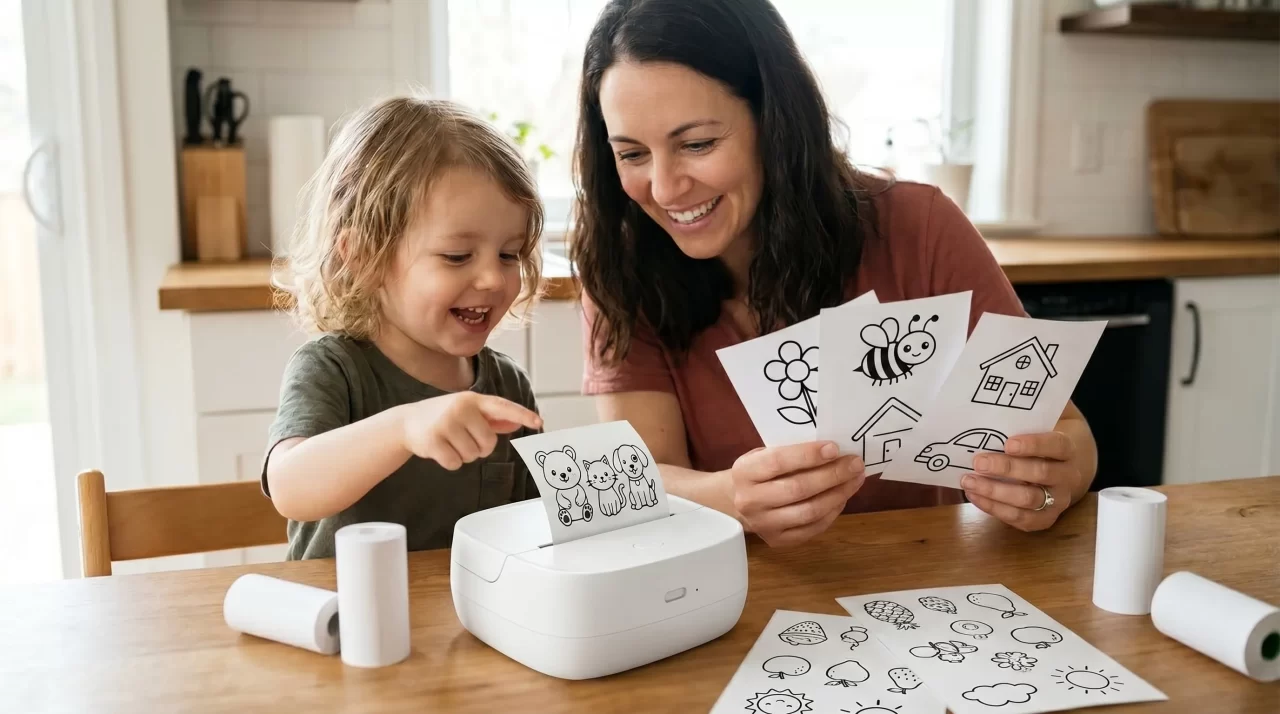
Marketing Tips for Brands Entering the AI Printer Market
For brands developing educational products, AI printers represent an opportunity to enter a growing category. However, successful marketing requires focusing on user value rather than simply promoting AI technology.
Position AI Printers as a Complementary Learning Tool
Brands should avoid positioning AI printers as direct competitors to tablets.
A stronger marketing message is that AI printers solve different learning needs.
Instead of saying:
“AI printers replace tablets.”
Brands should communicate:
“AI printers provide personalized, hands-on creative learning experiences that digital devices cannot fully offer.”
This positioning helps consumers understand the unique value of the product.
Highlight Specific Learning Scenarios
Consumers often understand products better when they see practical applications.
Marketing content should demonstrate scenarios such as:
- Homeschooling activities
- Preschool learning
- Parent-child creative projects
- Classroom activities
- Holiday crafts
- Educational games
Showing real usage situations makes the product easier to understand and increases purchase confidence.
Develop Content Ecosystems Instead of Selling Hardware Alone
The long-term value of AI printers comes from content.
Brands can strengthen customer relationships by offering:
- Printable learning libraries
- AI activity packs
- Seasonal content
- Educational themes
- Subscription-based resources
A strong content ecosystem transforms the product from a simple device into a long-term learning platform.
Work With an Experienced OEM/ODM Partner
Developing an AI printer requires more than manufacturing hardware. Brands need support in product design, software integration, customization, and quality control.
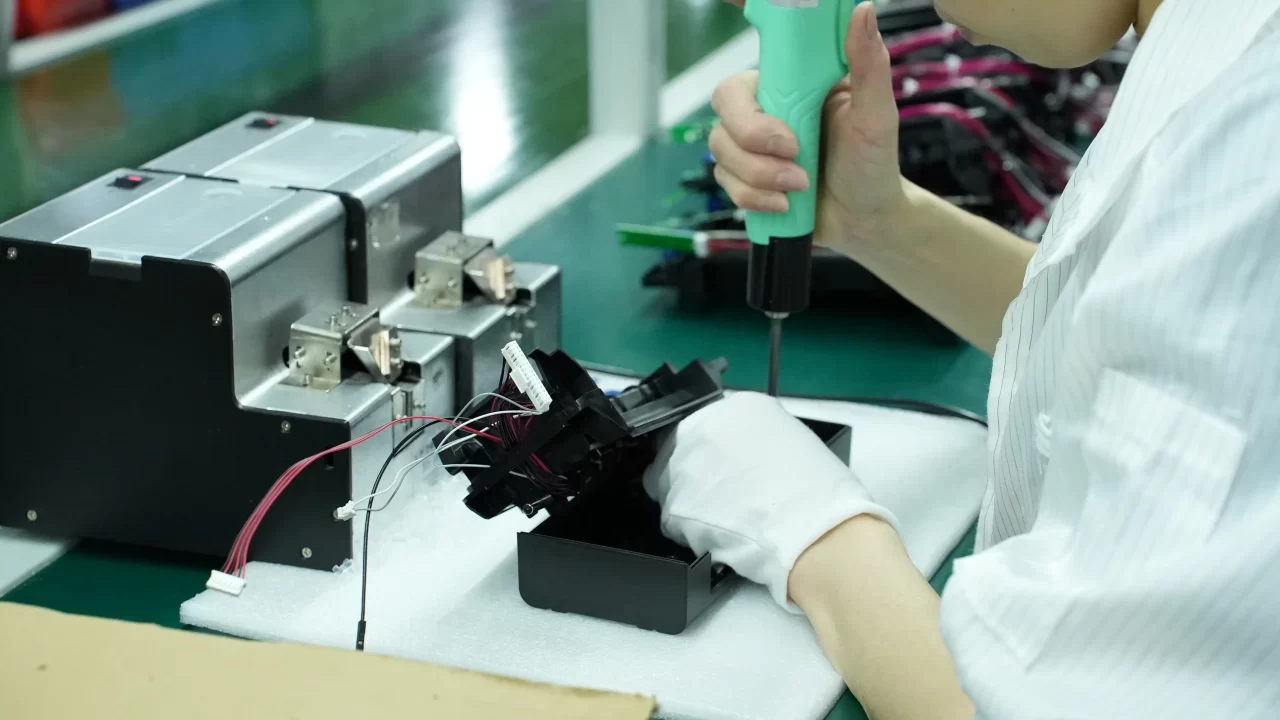
Partnering with an experienced AI 프린터 제조사 allows companies to develop products that match specific market requirements. You may gain more access to their factories for filming marketing videos to build your brand authority on social media, which makes it a great advantage against your competitors.
A reliable AI printer supplier can provide stable production capacity, quality assurance, and global supply support.
For brands seeking unique product positioning, a 맞춤형 AI 프린터 제조업체 can help customize hardware design, software features, packaging, and branding.
For large-scale distribution, working with a professional wholesale AI printer supplier helps ensure consistent production and efficient delivery.
Future Outlook: Will AI Printers Replace Educational Tablets?
AI printers are unlikely to completely replace educational tablets.
Instead, both technologies will continue developing in different directions.
Educational tablets will remain valuable for:
- Digital knowledge access
- Online education
- Multimedia learning
- Research
AI printers will continue growing in areas such as:
- Creative learning
- Personalized education
- Screen-free activities
- Physical learning experiences
Future educational ecosystems may combine both technologies, allowing children to use tablets for discovering information and AI printers for creating, practicing, and applying knowledge.
결론
The comparison between AI printers and educational tablets is not about choosing a single winner. These two technologies support different learning styles.
Educational tablets are powerful tools for digital learning, information access, and interactive applications. AI printers provide unique advantages in creativity, personalization, and hands-on learning.
For younger children, homeschooling families, and parents looking for screen-free creative activities, AI printers offer a valuable learning experience. For older students requiring digital resources, tablets remain an important educational tool.
For brands, the growth of AI printers represents a new opportunity in educational technology. Companies that focus on personalized learning experiences, strong content ecosystems, and reliable manufacturing partnerships can develop products that meet the changing expectations of modern families.
아이인 소개
Aiyin is an experienced AI printer manufacturer dedicated to helping global brands, distributors, and educational product companies develop innovative learning solutions. With a customer-focused approach, Aiyin provides OEM/ODM custom AI pinter services, including product design, software integration, and branding support.
All products are manufactured under strict quality control processes and comply with relevant certifications to ensure safety and reliability. By combining advanced technology, flexible customization, and professional manufacturing capabilities, Aiyin helps B2B partners create competitive AI learning products for global markets.
자주 묻는 질문
Is an AI printer better than an educational tablet?
Neither device is universally better. AI printers are stronger for creative, hands-on learning, while tablets are better for digital resources, apps, and online education.
Are AI printers good for preschool children?
Yes. AI printers are suitable for preschool learning because they support activities such as coloring, tracing, drawing, and early literacy exercises.
Do AI printers help reduce children’s screen time?
Yes. AI printers use AI technology but encourage offline activities such as writing, drawing, and crafting.
Can AI printers replace educational tablets?
Exactly, no. AI printers and tablets serve different purposes. Many families may benefit from using both together.
Which is better for homeschooling: an AI printer or tablet?
For homeschooling, AI printers are useful for customized worksheets and creative activities, while tablets provide access to digital courses and online resources.
What can children do with an AI printer?
Children can create coloring pages, stories, worksheets, puzzles, drawings, and personalized learning activities.
Are AI printers a good opportunity for educational brands?
Absolutely, yes. AI printers offer opportunities for brands to develop innovative educational products with higher personalization and customer engagement.
How can companies develop custom AI printers?
Companies can work with an experienced AI printer manufacturer that provides OEM/ODM customization, software integration, and bulk production support.