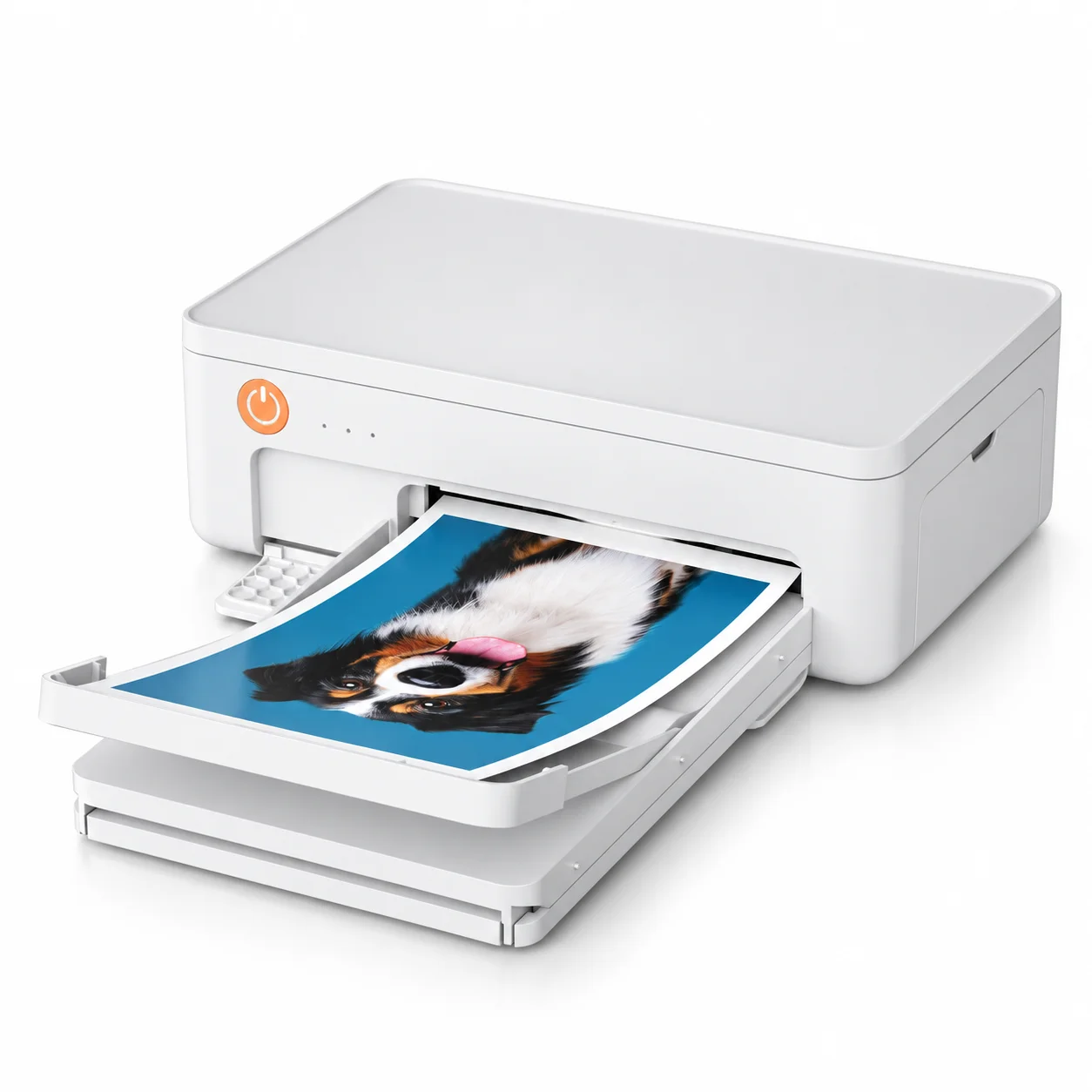
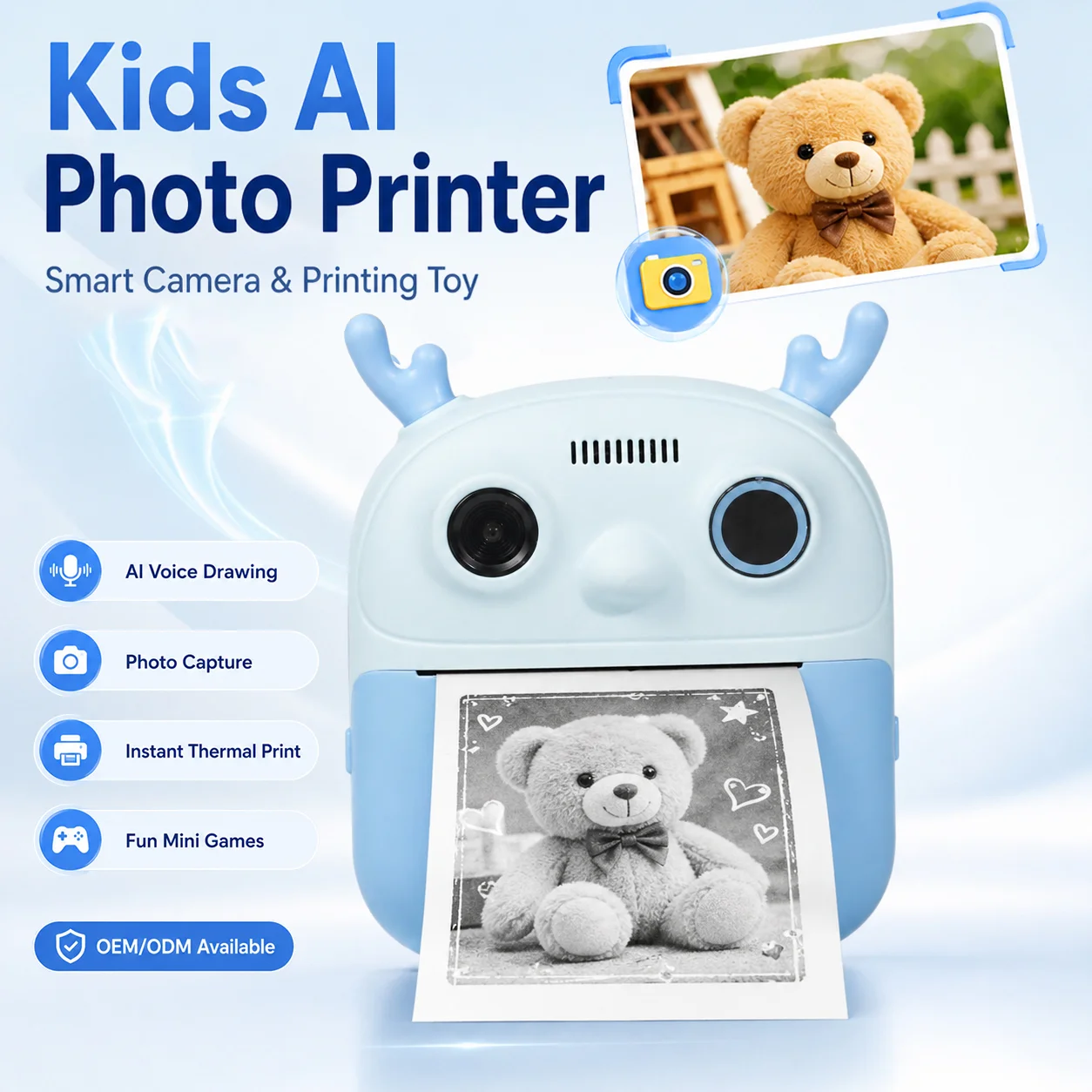
For small businesses, every operational cost matters. Printing may seem like a minor expense, but over time, it becomes a recurring cost center.
As a professional thermal printer manufacturer, Aiyin knows that the real question is whether it reduces long-term operational friction and cost. This is where thermal printing enters the discussion.
What Is a Thermal Printer and How Does It Work?
Direct Thermal vs Thermal Transfer
Thermal printers operate using heat instead of ink. There are two primary types:
- Direct thermal printers use heat-sensitive paper that darkens when heated.
- Thermal transfer printers use a ribbon to transfer ink onto the label, offering higher durability.
For most small businesses, direct thermal is the default due to simplicity and lower operating costs.
Key Characteristics of a Thermal Printer
Thermal printers stand out due to:
- No ink or toner requirements
- Fast print speeds
- Fewer moving parts
These characteristics directly influence cost efficiency and reliability.

Key Cost Factors Small Businesses Must Consider
Initial Investment vs Ongoing Costs
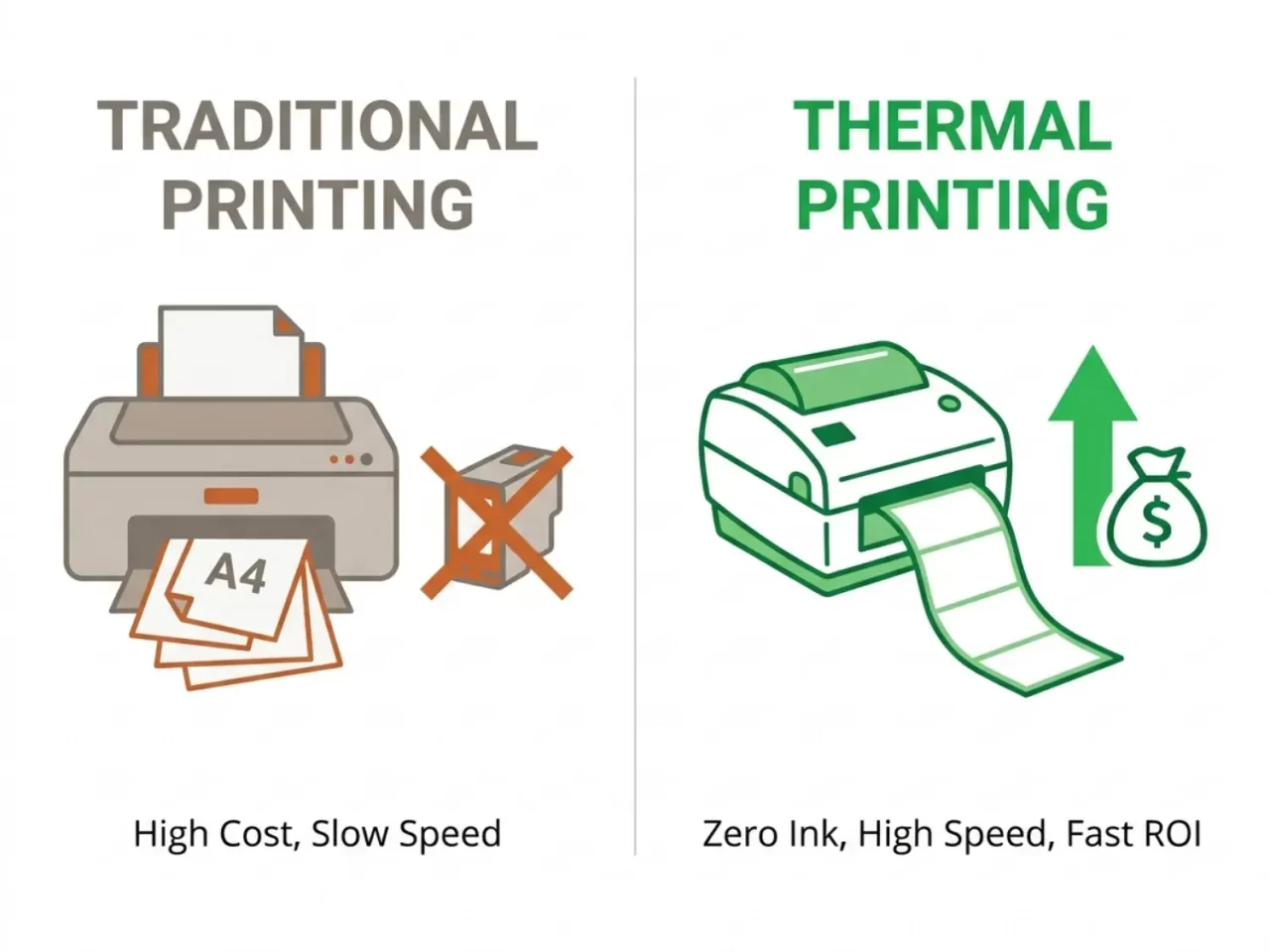
Many small businesses focus on the upfront price of a printer. This is a mistake. Inkjet printers may appear cheaper initially, but they generate continuous costs through ink replacement.
Ink/Toner Elimination
Thermal printers eliminate ink and toner entirely. Over time, this becomes a significant cost advantage, especially for businesses printing daily.
A typical comparison:
- Inkjet: recurring cartridge replacement
- Laser: toner + drum maintenance
- Thermal: only paper
This is why many buyers shift toward a thermal printer manufacturer rather than traditional office printer brands.
Maintenance and Downtime
Thermal printers have simpler internal structures. Fewer components mean:
- Lower failure rates
- Less maintenance
- Reduced downtime
For small businesses, downtime is not just inconvenient—it directly impacts revenue.
Total Cost of Ownership (TCO)
The real evaluation metric is TCO, not purchase price.
A cheaper printer that requires frequent repairs and consumables will cost more over time than a reliable thermal solution sourced from a wholesale thermal printer supplier.
Where Thermal Printers Deliver the Most Value For Small Businesses
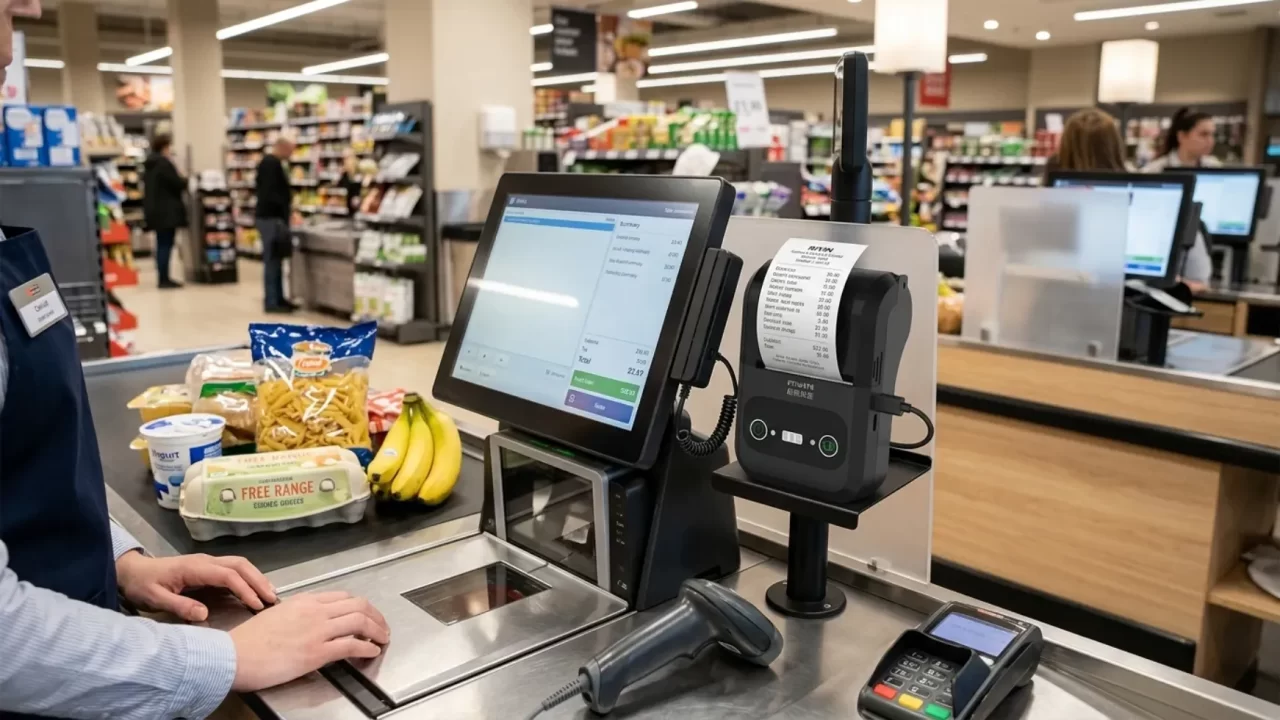
Retail and POS Receipts
Thermal printers dominate receipt printing due to:
- Speed
- Quiet operation
- Low cost per print
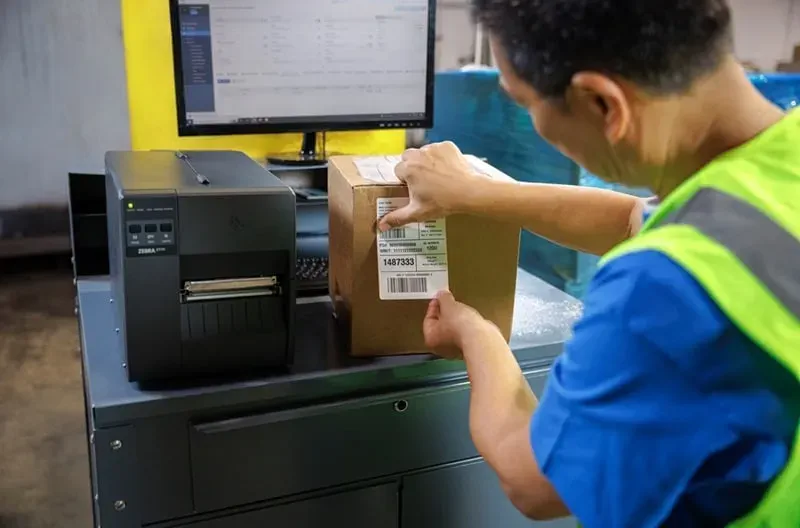
E-commerce Shipping Labels
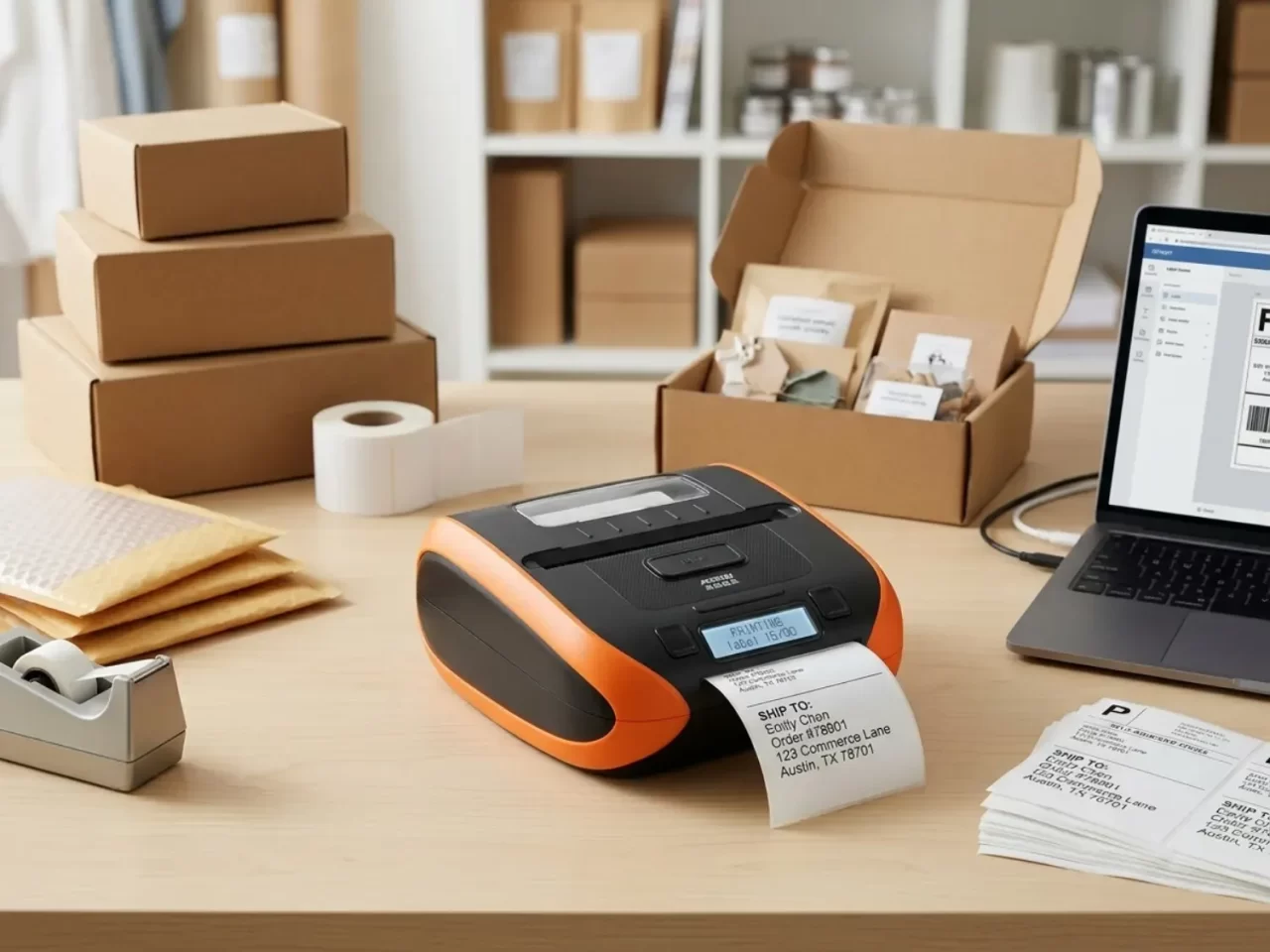
For e-commerce businesses, label printing is mission-critical. Thermal printers offer:
- High-speed label generation
- Clear barcode output
- Seamless integration with shipping platforms
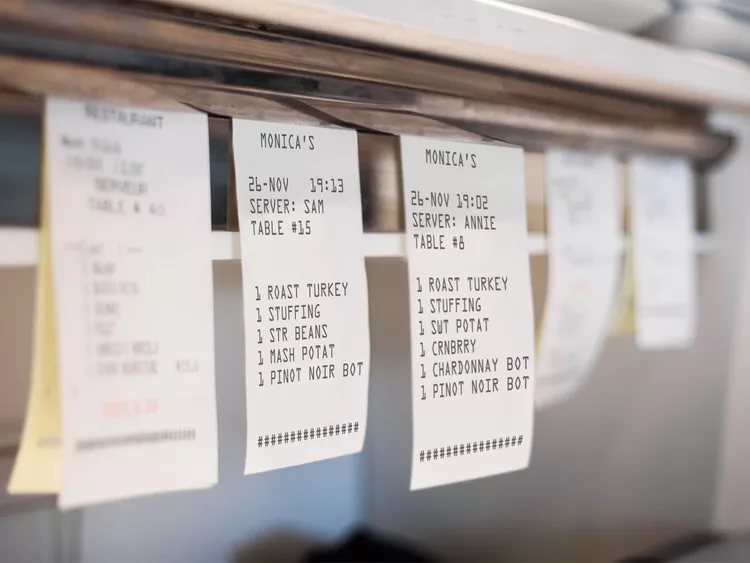
Food & Beverage Order Tickets
In restaurants and cafés, thermal printers handle:
- Kitchen tickets
- Order receipts
These require fast, reliable, short-term printing—ideal for thermal technology.
Logistics and Inventory Labeling
Thermal printers are widely used for:
- SKU labels
- Warehouse tracking
- Dispatch labeling
These applications benefit from speed and consistency rather than long-term durability.
When Thermal Printers May Not Be the Best Choice For Small Businesses
Long-Term Archival Documents
Thermal prints can fade over time, especially under heat or sunlight. For documents requiring multi-year storage, thermal transfer or laser printing is more suitable.
Color Printing Needs
Thermal printers are primarily monochrome. If your business depends on color documents, they are not the right tool.
Low-Volume Printing Scenarios
If printing volume is extremely low, the cost advantage of thermal printing becomes less significant.
Benefits That Impact Daily Operations
Speed and Throughput
Thermal printers typically operate at high speeds (150mm/s or more). This matters in:
- Retail checkout lines
- High-volume shipping environments
Accuracy and Barcode Clarity
Thermal printing produces sharp, high-contrast barcodes. This reduces:
- Scanning errors
- Mislabeling issues
Workflow Efficiency
Thermal printers simplify workflows:
- No ink replacement interruptions
- Faster batch printing
- Reduced manual intervention
For small businesses, this translates directly into labor savings.
Common Mistakes Small Businesses Make When Choosing Printers
- Choosing based on the upfront price only
- Ignoring future scalability
- Overlooking integration with existing systems
- Selecting general office printers instead of specialized solutions
Another major mistake is ignoring the importance of the supplier. A weak supplier leads to:
- Poor support
- Inconsistent product quality
- Limited customization
ROI Analysis: Is It Worth It for Small Businesses?
Thermal printers deliver ROI when:
- Printing is frequent
- Speed impacts operations
- Labor efficiency matters
Example ROI Drivers:
- Eliminating ink costs
- Reducing print-related downtime
- Increasing order processing speed
For a small e-commerce business printing 100–500 labels per day, the cost savings and efficiency gains can justify the investment within months.
FAQ
Are thermal printers cheaper than inkjet printers?
Yes, in most business scenarios. While the initial cost may be higher, thermal printers eliminate ink expenses, making them cheaper over time.
How long do thermal prints last?
Typically, months to a few years, depending on storage conditions. For long-term use, thermal transfer printing is recommended.
Do thermal printers require special paper?
Yes, direct thermal printers require heat-sensitive paper.
Can small businesses use thermal printers for invoices?
They can, but only for short- to medium-term use. For archival invoices, other printing technologies are better.
Conclusion
Thermal printers are not just a replacement for traditional printers; they are an operational upgrade. For small businesses with consistent printing needs, they reduce costs, improve efficiency, and simplify workflows.
The key is not just choosing a printer, but choosing the right [wholesale thermal printer supplier] that can support long-term growth. When implemented correctly, thermal printing shifts from being a cost center to a performance driver.
About Aiyin
Aiyin is a reliable B2B thermal printer manufacturer focused on stable supply and long-term customer support. We serve e-commerce, logistics, and retail businesses with certified products that meet CE, FCC, and RoHS standards.
With strong OEM/ODM thermal printers capabilities, we provide customization in hardware, firmware, and system integration to match different operational needs. Our direct manufacturing ensures transparent pricing, consistent quality control, and fast technical response. Backed by complete after-sales service and spare parts support, we help clients scale efficiently with reduced operational risk.