Thermal printers are common in retail, logistics, offices, schools, and homes. They combine heating elements, electronics, and—for portable units—rechargeable batteries. As a leading thermal printer manufacturer, Aiyin insisted that thermal printer safety must be evaluated both at design and in use.
Thermal Safety: Heat Control in Thermal Printers
How heat is generated
A thermal printhead contains hundreds to thousands of tiny resistive elements. During printing, those elements heat locally to trigger the thermal paper coating. Controlled heat delivery is the core function — and the core hazard if unmanaged.
Failure modes from poor heat control
- Sustained over-temperature can damage the printhead and nearby components.
- Excessive surface temperatures create burn risks for users.
- Repeated overheating shortens component life and degrades print quality.
Engineered protections
- Temperature sensors mounted near the head monitor the real-time temperature.
- Duty-cycle control enforces rest intervals after burst printing to avoid thermal runaway.
- Over-temperature cutouts automatically disable the head if thresholds are exceeded.
- Head element profiling and optimized pulse algorithms distribute heat to reduce local hotspots.
Designers should provide thermal derating curves (prints/min vs ambient temp), so integrators know safe operating envelopes.

Electrical Safety and Circuit Protection
Why it matters
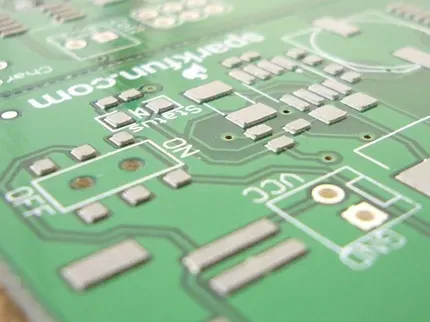
Thermal printers are powered devices connected to mains adapters or USB supplies; poor electrical design risks short circuits, component failure, and fire.
Key protections that a thermal printer manufacturer can apply
- Overcurrent/fuse protection to isolate faults quickly.
- Voltage regulation and surge suppression to protect downstream components from supply variation.
- PCB insulation and creepage control to prevent arcing under humidity or dust.
- Grounding schemes (where applicable) and reinforced isolation for AC-powered units.
Electrical safety also depends on quality external power supplies. Use manufacturer-approved adapters and check that adapters carry appropriate safety marks.
Battery Safety For Portable Thermal Printer Model
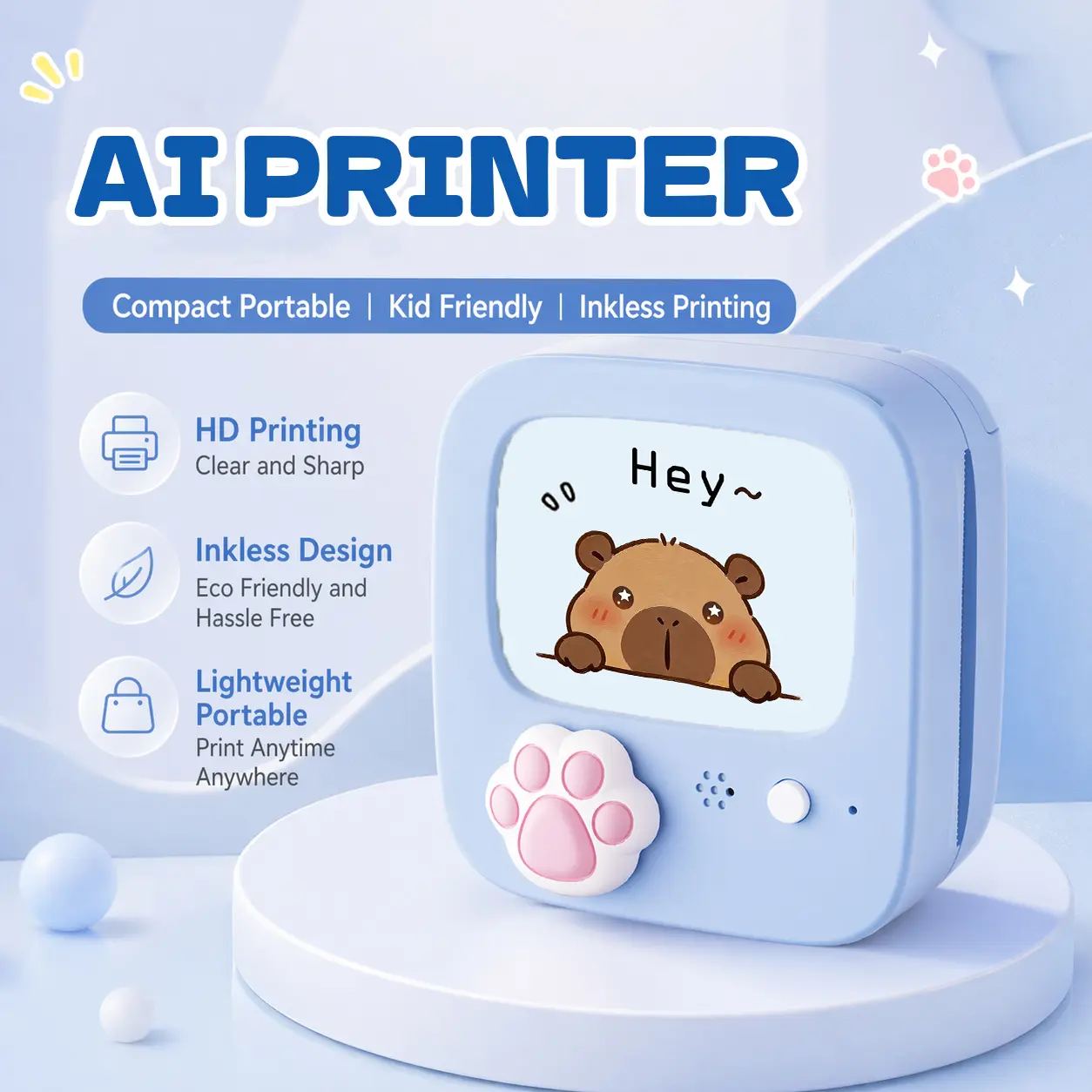
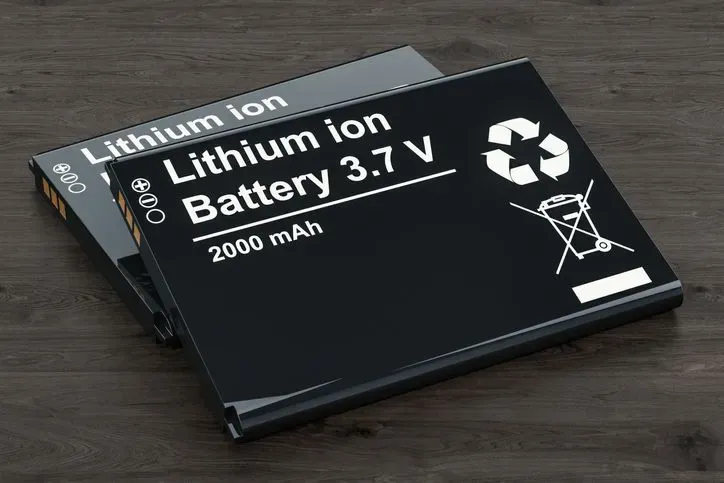
Portable thermal printers, including mini thermal printers, commonly use lithium-ion cells — energy-dense but sensitive to misuse.
Principal battery risks
- Overcharge or over-discharge can cause thermal events.
- High charge current or internal defects produce heat and swelling.
- Mechanical damage can damage cells.
BMS and charging controls
- Battery Management System (BMS): enforces overcharge, over-discharge, cell balancing and short-circuit protection.
- Thermal cutoff and temperature monitoring: charging is inhibited outside safe temperature ranges.
- Certified charge circuits and adapters: compliance with USB PD or regulated chargers prevents unsafe input currents.
- Mechanical retention: cells must be fixed to avoid movement and connector stress.
For fleet use, prefer models with replaceable, certified battery packs and published cycle life data.
Mechanical Design and Child-Safe Features
Mechanical design reduces user injury and accidental misuse.
Structural safety elements of thermal printers
- Enclosed moving parts: rollers and cutters should be within covers that require tool access.
- Anti-pinch geometry: paper entry/exit points shaped to prevent finger insertion.
- Rounded edges and impact-resistant housings mitigate cuts and breakage.
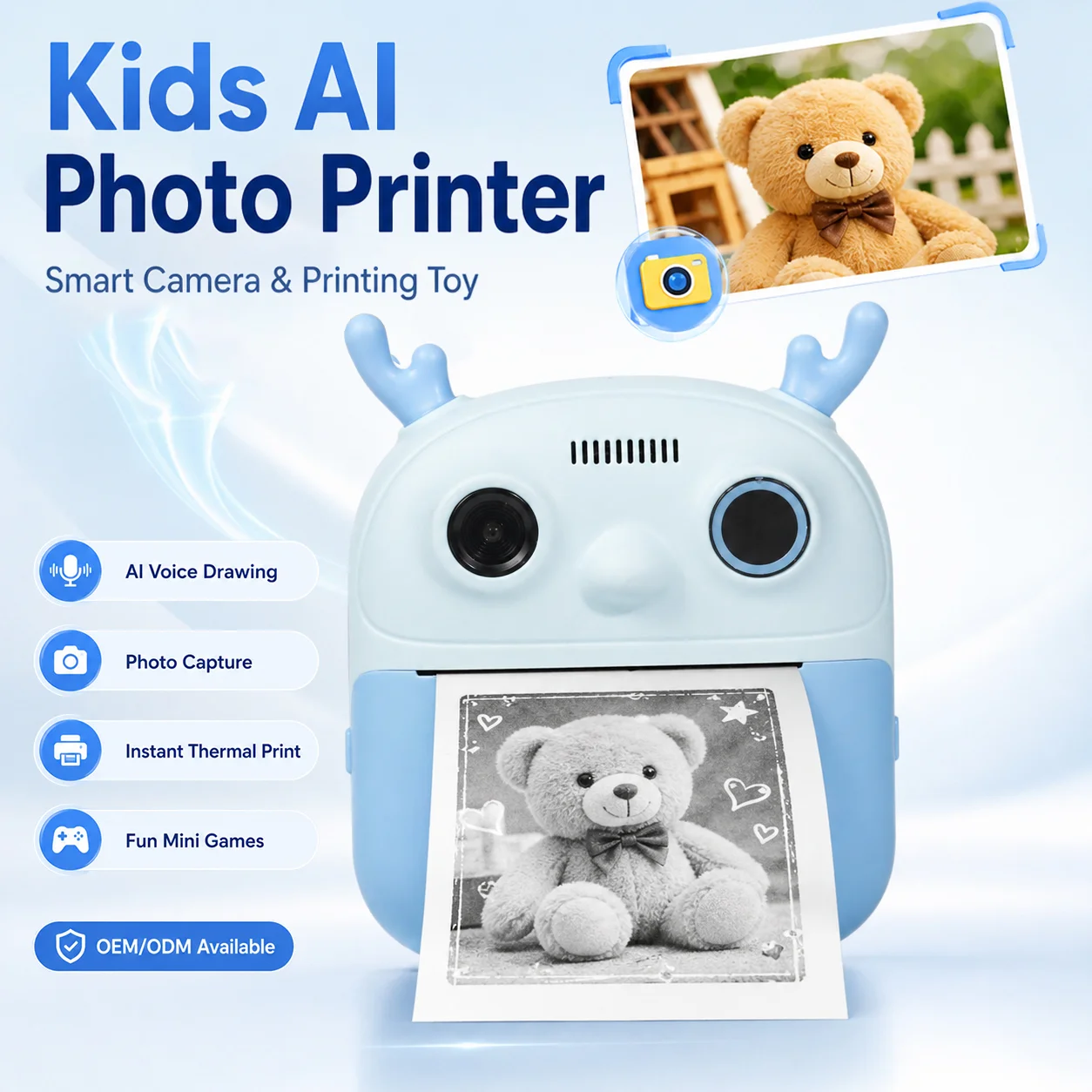
Child-safe considerations for mini thermal printers
- Locking battery compartments, non-toxic materials, low external temperatures, and tamper-resistant fasteners are essential if devices are marketed to children or schools.
- Audible/visual indicators for status (paper jam, overheating) reduce unsafe attempts to clear faults.

Thermal Printer Safety Material and Certifications
Materials and test marks communicate compliance.
Material choices for thermal printer safety
- Use UL-listed plastics or equivalent, flame-retardant grades where required.
- Avoid surface finishes that off-gas under heat; select heat-stable polymers around the head.
- For devices exposed to food environments, prefer food-safe housings per local regulations.
Certifications to check
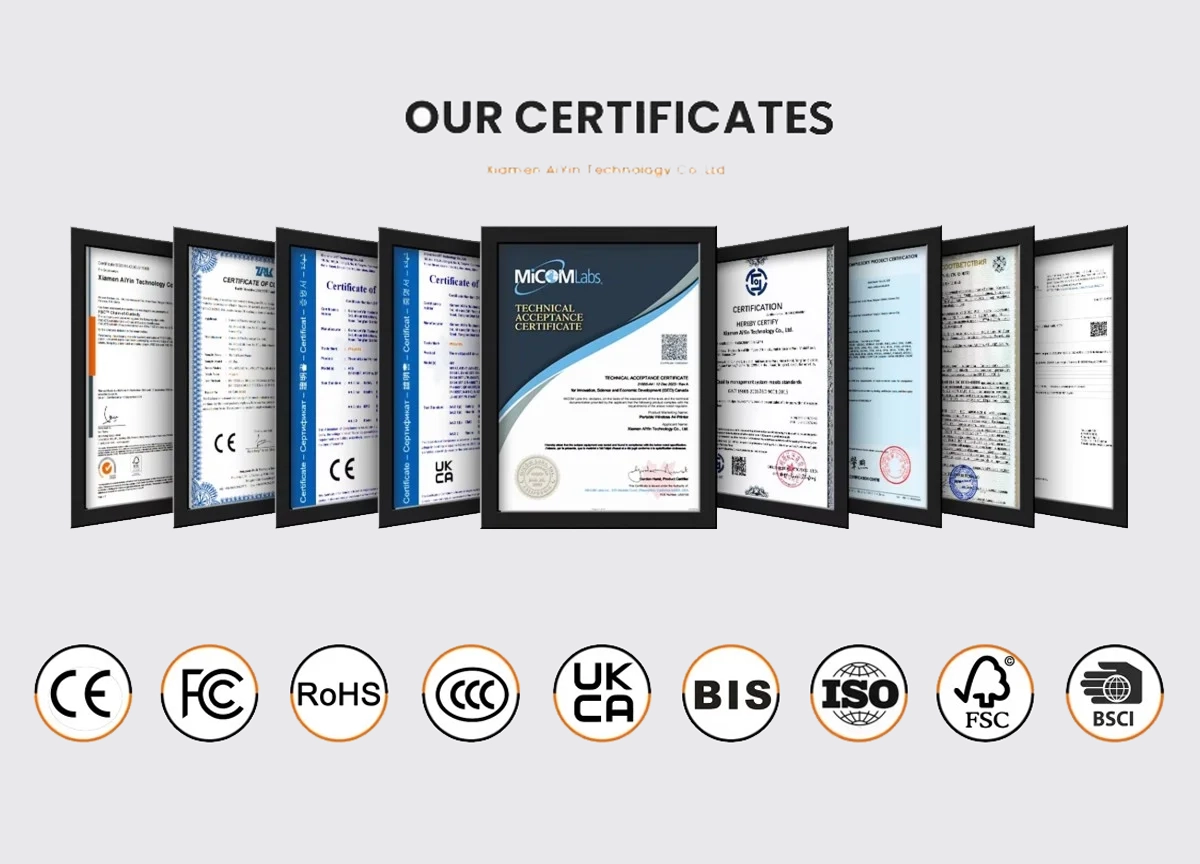
- CE (EMC & LVD), FCC for emissions/compatibility, RoHS for restricted substances.
- For batteries and adaptors, look for UN38.3, UL 1642/2054, or equivalent safety listings.
- Manufacturers should publish test reports (temperature cycling, drop, and burn-in) on request.
Cert marks do not replace due diligence — ask suppliers for batch test data and firmware revision logs when deploying at scale.
Best Practices for Safe Operation
Design features reduce risk, but correct use completes the safety chain.
Operational checklist
- Always use manufacturer-recommended power adapters and certified batteries.
- Keep vents and paper paths clear of dust and debris.
- Avoid continuous burst printing beyond specified duty cycles; stagger large print jobs.
- Store thermal paper away from heat, sunlight, and solvents to reduce off-gassing and spontaneous darkening.
- Implement routine maintenance: head cleaning with approved swabs, roller inspection, and firmware updates.
User training for thermal printer safety
- Train users on safe paper loading, jam-clearing procedures, and battery handling.
- For consumer devices, include clear warnings about keeping devices away from small children and water.
Conclusion
Thermal printer safety is a multi-layered engineering problem: thermal control, electrical protection, battery management, robust mechanical design, and safe materials must work together. A safe product combines certified components, defensive firmware (thermal and electrical cutouts), and clear operational controls and documentation.
For buyers and integrators, validate supplier QA: request thermal derating curves, BMS specifications, electrical protection details, and relevant test reports. Proper selection plus disciplined operation will ensure thermal printers are reliable—and safe—tools in both commercial and consumer environments.
About Aiyin
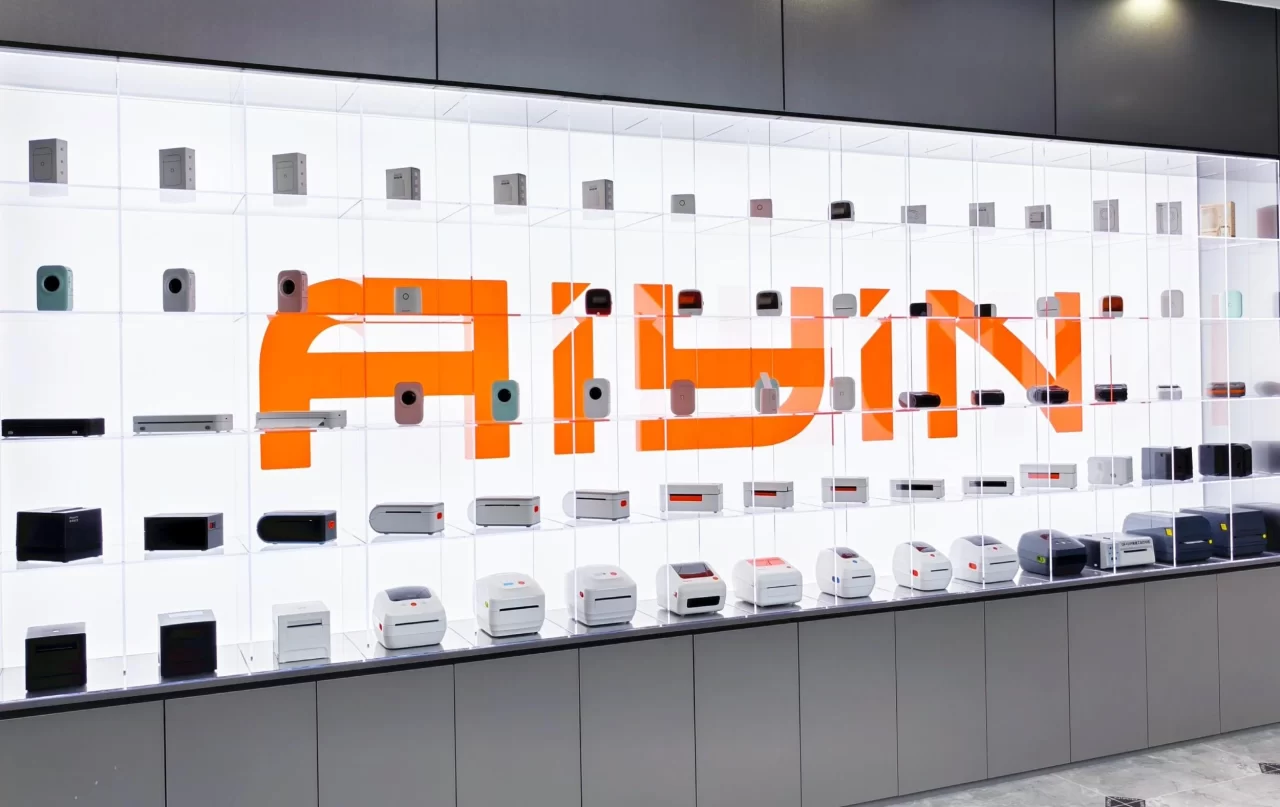
Aiyin is a professional thermal printer manufacturer serving global B2B markets across retail, logistics, and commercial POS environments. With in-house control over key production stages—including thermal printhead integration, PCB design, firmware development, and assembly—Aiyin ensures consistent performance and stable product quality across production batches.
Aiyin focuses on safe, reliable printing technology, supporting high-volume operational demands. For enterprise customers and distributors, Aiyin provides flexible OEM and ODM services, including customized printer structures, connectivity options, firmware configuration, and branding solutions tailored to specific industry applications.